





 English
  Francês
  Alemão
  Italiano
  Japonês
  Norueguês
  Portuguese
  Spanish
  3 min of reading


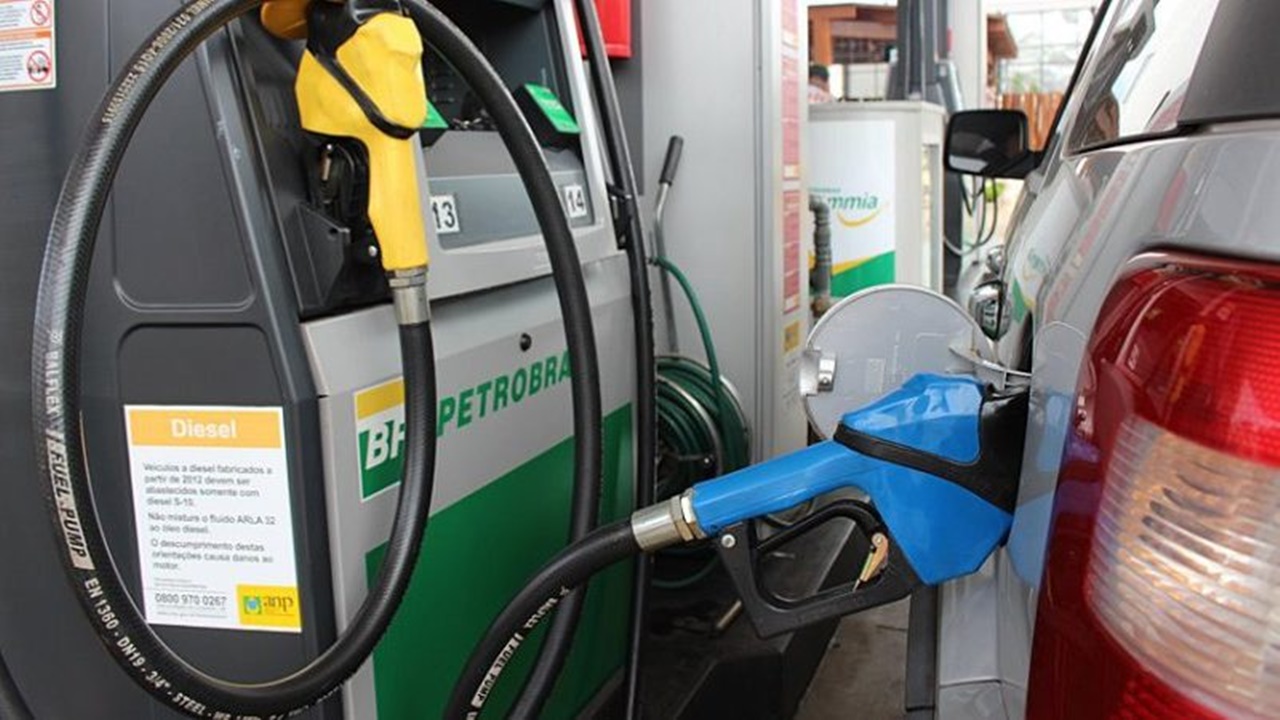
New Gasoline and Diesel Sales Contracts Will Provide More Flexibility, Allowing Commercial Conditions to Adjust According to the Market, Representing an Important Step for Petrobras’ Positioning
Petrobras announced in a relevant fact this morning (09/10) that it approved new contractual models for the sale of gasohol and diesel for road and maritime purposes to fuel distributors, aiming to simplify some processes, increase competitiveness, and bring flexibility to Petrobras in adopting new commercial strategies.
Read Also
- New Technology That Reduces Fuel and Tire Costs Promises to Be the Solution to Increase Company Profits
- Biodiesel Is Not to Blame for the High Price of Diesel, but the Government Confirms Reduction of Biofuel Mixture and End of Auctions
- MEC Offers 119 Free Online Courses (EAD) With Certification; No Limits on Enrollment or Selection Process, Candidates from All Over Brazil Can Sign Up!
- Truck Drivers’ Strike Continues This Thursday (09/09) in at Least 15 States, Causing Shortages and Long Lines at Fuel Stations of Almost 1km
In the current market scenario, characterized by the entry of imported products by third parties and the divestment of refining assets, it is necessary to promote improvements in some commercial and operational clauses.
These adjustments, defined based on the experience obtained throughout the duration of the current contracts and feedback from clients, aim to strengthen the commercial relationship with our clients and the Company’s competitiveness.
-
Brazilian giant expands borders in the Southeast: Petrobras confirms new oil discovery in ultra-deep waters in the pre-salt of the Campos Basin.

-
Alert in the global energy market: Severe tropical cyclone hits the coast and disrupts gas production at major plants in Australia, threatening global supply.

-
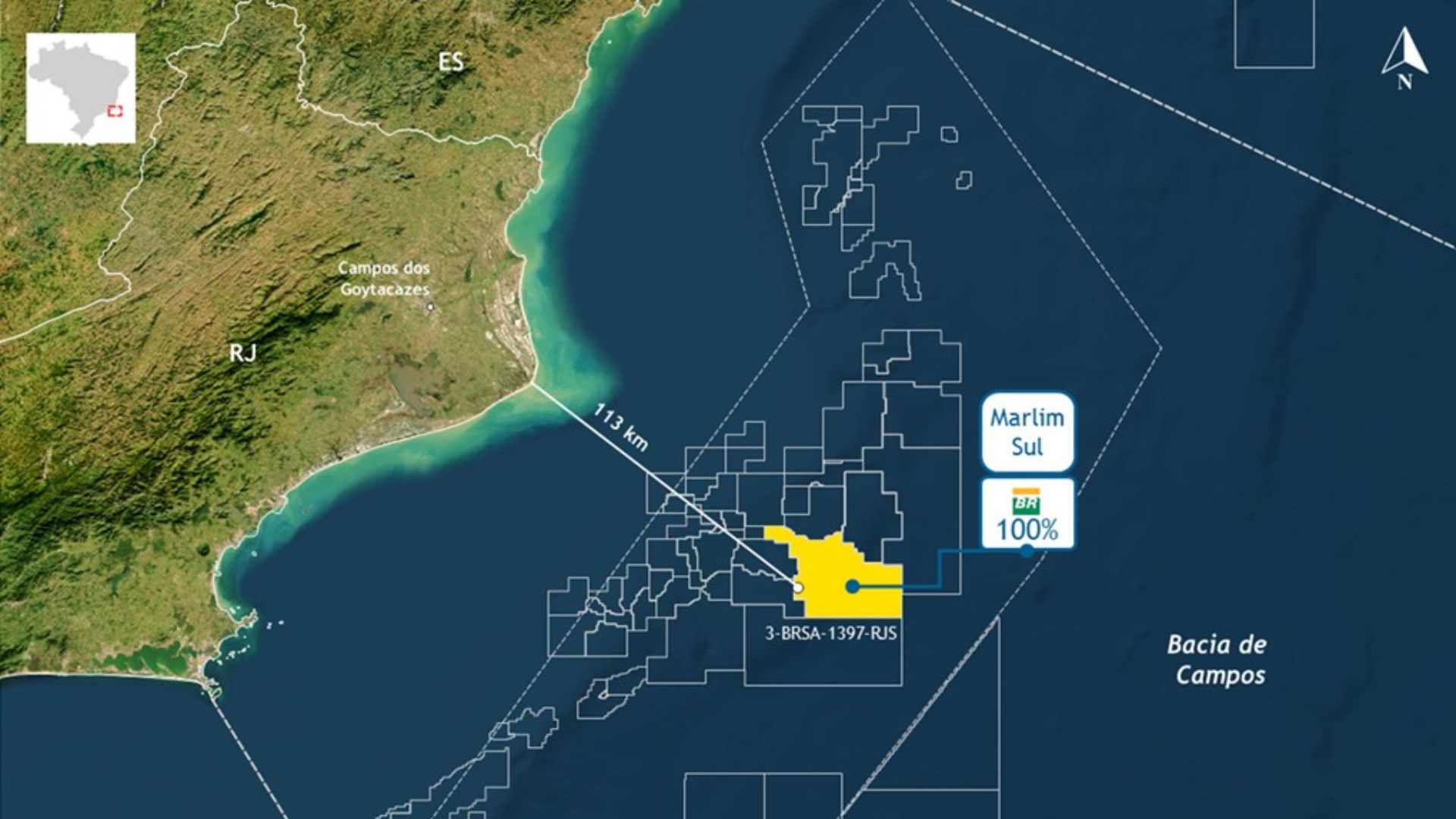
Petrobras finds high-quality oil in the pre-salt at 113 km from RJ and reignites expectations about strategic reserves in the Campos Basin.

-
Ocyan opens registrations for startups focused on innovation in the oil and gas sector and will select projects for Innovation Day with the support of Nexio.


According to Petrobras, the new contracts will provide more flexibility, allowing commercial conditions to adjust according to the market, representing an important step for the state-owned company’s positioning in the new competitive environment. It is important to emphasize that there are no changes in the pricing practices of these products, which continue to align with international markets.
The new contracts will still be submitted for approval by the National Agency of Petroleum, Natural Gas and Biofuels (ANP), following current regulations.
Surge in Gasoline, Ethanol, Diesel, and CNG Prices Forces Drivers to Turn to Biogas; The Fuel Came to ‘Save’ and Lighten Consumers’ Wallets
As days go by, gasoline, ethanol, and diesel prices continue to rise, and as a result, Brazilians working in passenger transport, such as taxi drivers and app drivers, who previously relied on Compressed Natural Gas (CNG), are migrating to biogas, as CNG is also starting to weigh heavily on their budgets. Biogas can be used without problems in vehicles equipped with gas kits.
Petrobras has made a new adjustment to the CNG price, increasing it by 39% for distributors. According to a survey conducted by the National Agency of Petroleum, Natural Gas, and Biofuels (ANP), in the last week of May, the price of vehicular gas for the end consumer reached R$ 4.199 in some locations in the city of Rio de Janeiro. In light of this, although it is not a new solution, biogas has become popular for providing more mileage and being cheaper.
Currently, only ten fuel stations in Rio de Janeiro offer biogas CNG, but according to Jorge Mathuiy, commercial director of the cylinder manufacturing industry MAT, that number is expected to increase significantly by the end of the year, as biogas has a cheaper acquisition cost and is completely safe.
The great advantage of using biogas is that, in addition to greater autonomy, the fuel offers higher safety, as it is lighter than air, and in the case of a leak, the gas dissipates quickly, reducing the risk of explosions and fires. While alcohol ignites at 200ºC, and gasoline at 300ºC, biogas requires a temperature exceeding 620ºC to ignite.
Drivers still face difficulties in identifying biogas at fuel stations. The tip is to ask the attendant if the option is available or to observe if the supplier is one of the companies distributing the fuel, such as Neogás.







Seja o primeiro a reagir!