





 English
  Francês
  Alemão
  Italiano
  Japonês
  Norueguês
  Portuguese
  Spanish
  3 min of reading


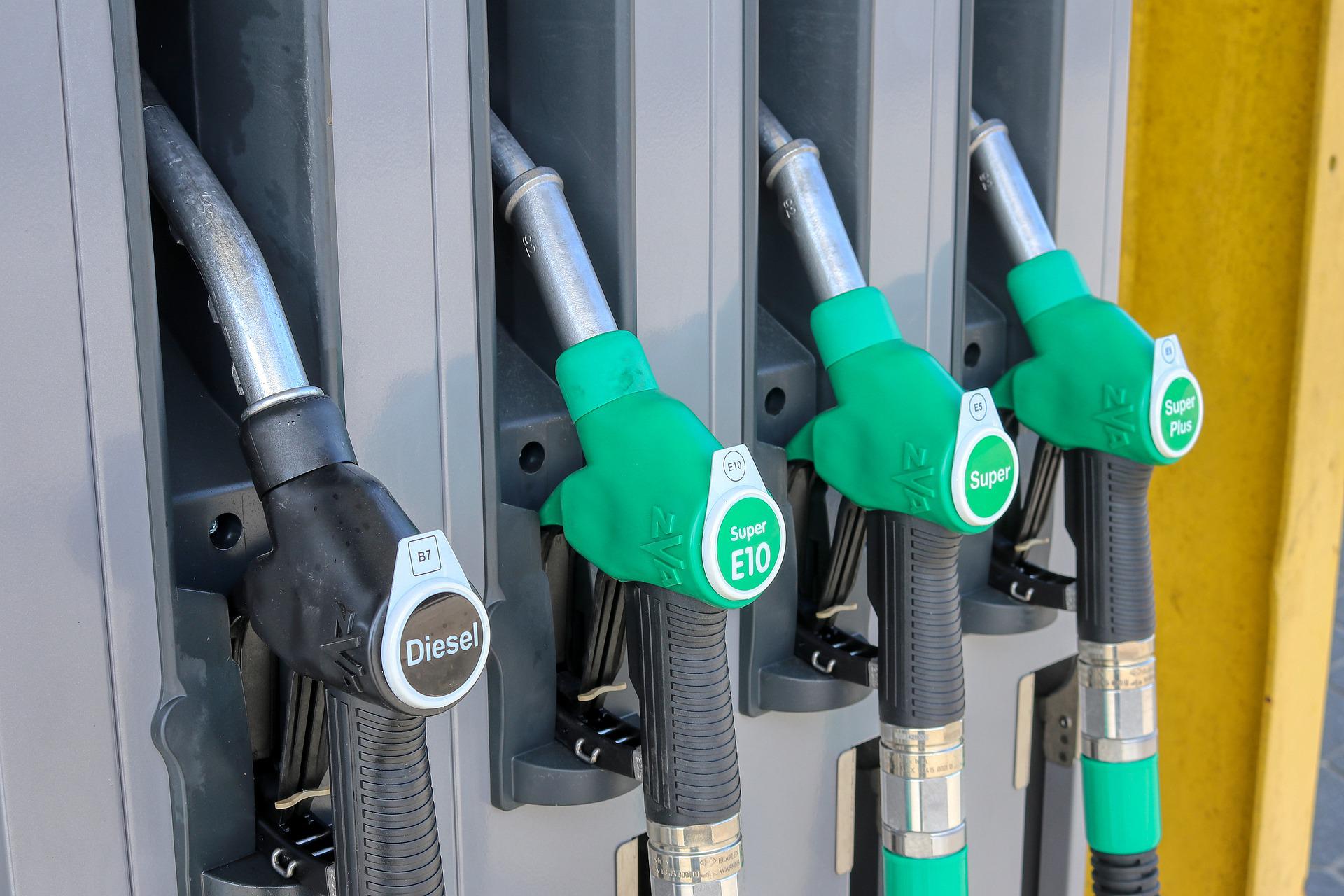
The Guideline Is Approved After Constant Price Drops in Fuels, Especially Ethanol and Gasoline. However, Petrobras Is Not Expected to Lower Prices.
On last wednesday, July 27, the Petrobras Board of Directors approved a new price guideline that will allow Petrobras to supervise fuel prices, such as gasoline and diesel, on a national scale. This will enable the practical execution of its pricing policies. However, according to the state-owned company, it is estimated that this will not directly influence the current prices charged.
In summary, the guideline merely reformulates the existing policies approved in 2016, during the Temer administration, and allows for greater control over price variations in a quarter. The oil company stated that the decision to approve this new guideline will enable greater management of cash returns and good market practices.
Petrobras Guideline Is Not Expected to Alter Existing Prices
The guideline approved by Petrobras, however, is far from altering the existing prices which, on the coast of Santa Catarina, for example, diesel is hovering around R$ 8 while gasoline is sold at gas stations for R$ 5.9. The new guideline aligns with national prices and not regional ones, and its approval does not imply real changes at the current time regarding the value of refineries; it is more focused on how variations are controlled over time.
-
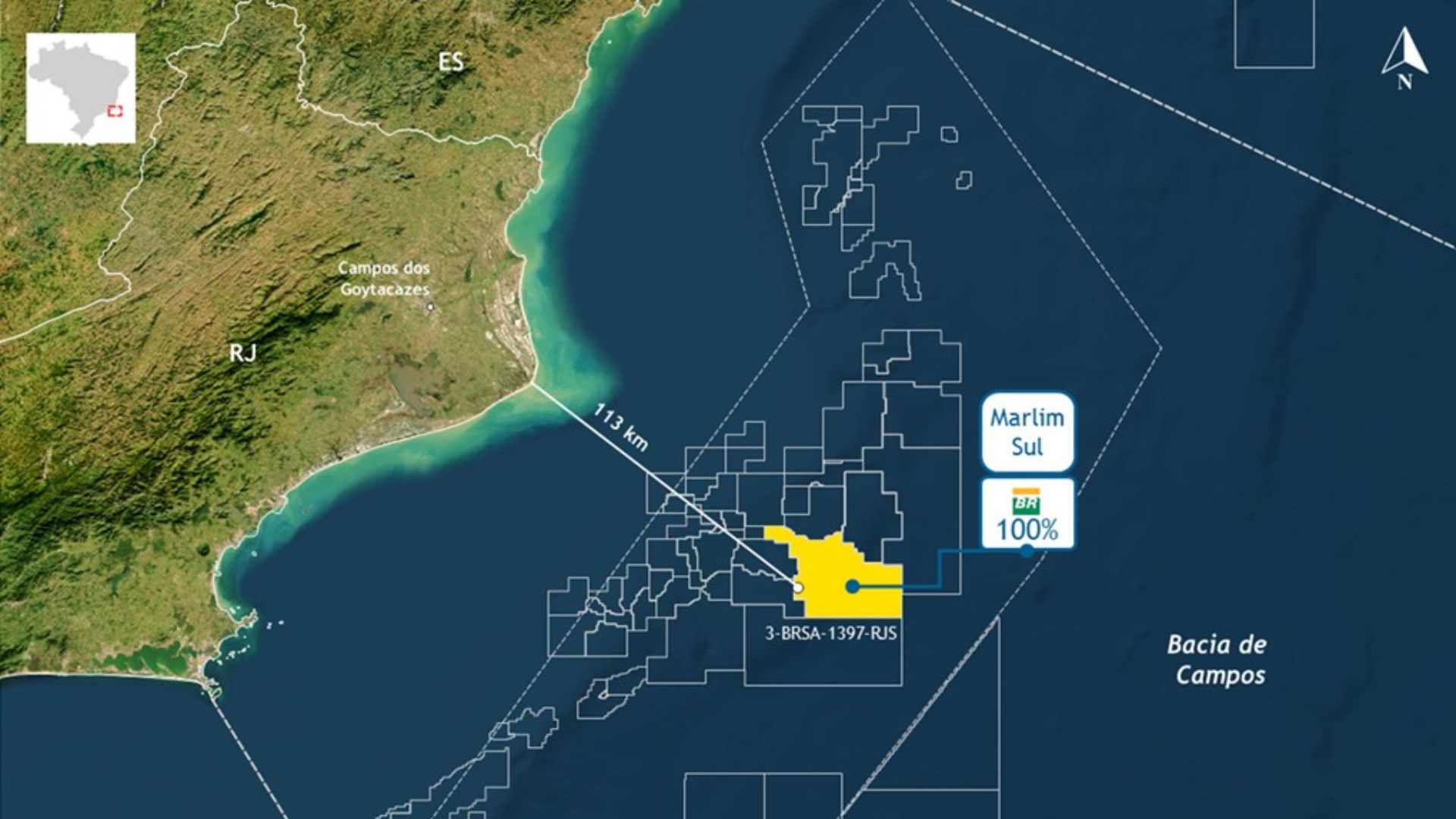
Petrobras finds high-quality oil in the pre-salt at 113 km from RJ and reignites expectations about strategic reserves in the Campos Basin.

-
Ocyan opens registrations for startups focused on innovation in the oil and gas sector and will select projects for Innovation Day with the support of Nexio.

-
Petrobras announces new oil discovery in the pre-salt of the Campos Basin and reinforces Brazil’s prominence with high-quality reserves that can increase production and energy revenues.
-
Alert in the fuel market: Analysts and a former director of ANP warn that oil prices may worsen in the coming months due to global instability.

What Is the Purpose of This New Project?
Petrobras publicly stated that the approval of this new project aimed to maximize profits and that they should monitor the company’s evolution in the Brazilian market regarding oil derivatives, which showed increases above 100% in just one year, intensifying with the war between Ukraine and Russia. This new guideline will allow the company to control its prices and compete on a national scale.
Constant Price Drops Near Elections
With October approaching, alongside the elections, Petrobras is making constant price drops on fuels. In Santa Catarina, for example, the price per liter is below R$ 6 for gasoline and nearly R$ 8 for diesel from truck drivers. Despite the high price of diesel, it is important to note that the government of Jair Bolsonaro, who is also expected to compete in the elections in October, will allow workers in the sector to receive R$ 1,000 assistance for freight payments. Despite this federal transfer, professionals in the transportation and logistics sector state that the amount is still insufficient, as it is expected to end the year 2022 with an inflation above 10% that will not be passed on to final consumers. Companies are tightening their belts to prevent these price variables from impacting their clients’ pockets.
With gasoline and diesel being significantly more expensive, it is estimated that inflation will also rise since freight costs increase and, consequently, this is passed on to the price of products. In other words, consumers have to pay more to purchase a product and lose purchasing power. Nevertheless, in July, inflation ended with its negative preliminaries, at around 0.13%. Despite the negative preliminary, in light of Petrobras’ price reductions and ICMS cuts by states, the accumulated increase over the last 12 months exceeds the two-digit mark.










Seja o primeiro a reagir!