






 Portuguese
  Spanish



July, According to Preliminaries, Had a Drop in Inflation. However, the Service Sector Is Still Affected for Not Being Able to Pass On Costs.
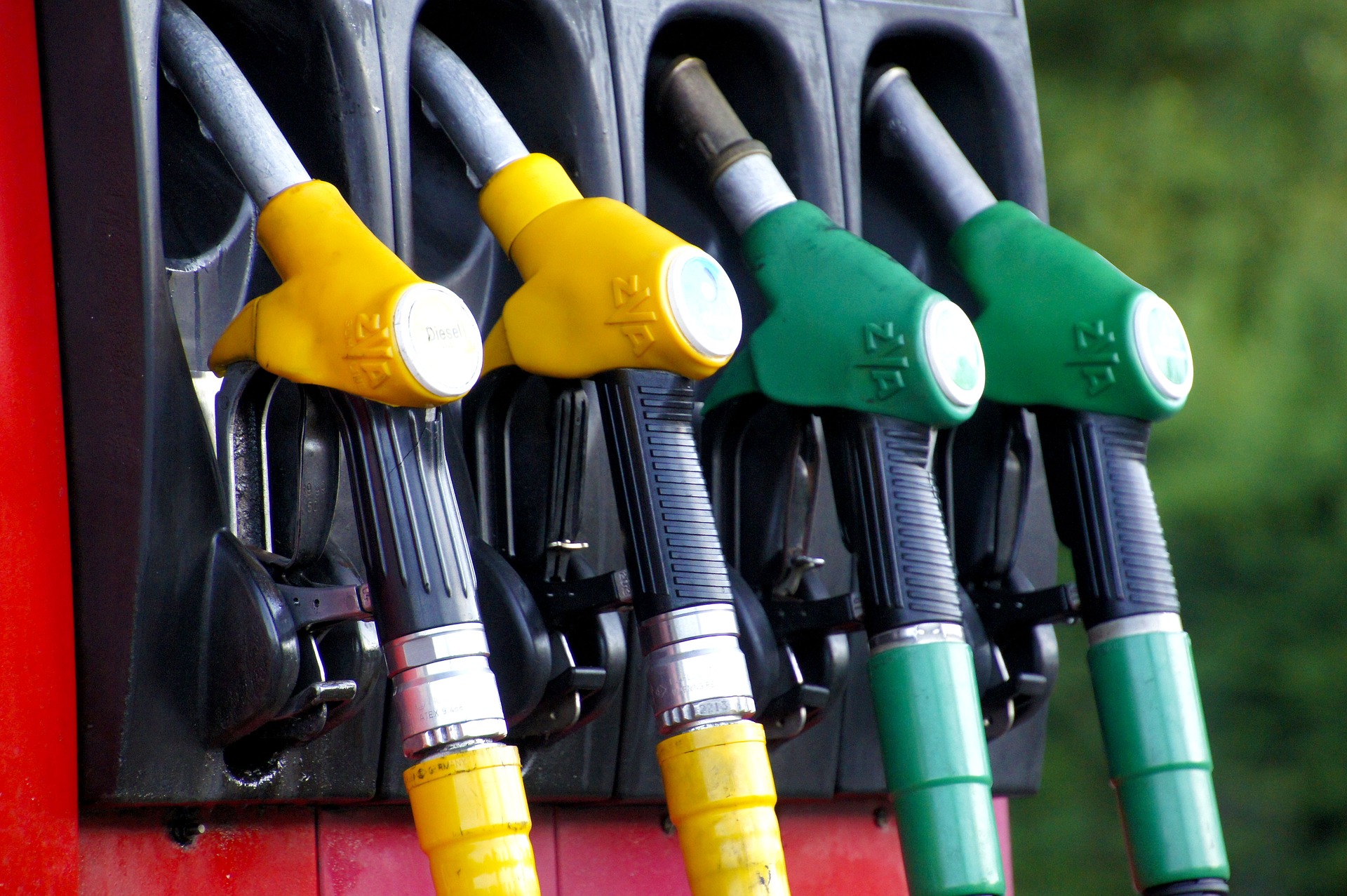
Although the percentages have not been officially revealed until now, according to Infomoney last Tuesday, July 26, the preliminary inflation figures for July show a decrease of 0.13% after cuts in ICMS taxes and a drop in fuel prices. Economist Fabia Louzada stated that the result was so positive and out of expectation that the last time the country experienced a similar situation was in 2020. The Broad Consumer Price Index (IPCA-15) showed deflation of 1.5% in administered prices, and if it continues at the same pace, it is estimated that the costs of services and products will start to decrease again after a sharp rise, intensified by the war between Russia and Ukraine.
A report published by Goldman Sachs shows that the negative inflation in July is a reflection of the decrease in ICMS taxes by some states, as was the case with Minas Gerais (MG), where Zema warned that he would lower taxes on gasoline to control prices but was concerned about the potential impacts that the state decision could cause.
Jair Bolsonaro’s government created, this month, a project aimed at reducing ICMS charges from states, where the federal scale would be responsible for transferring cash amounts to governments to control fuel prices for consumers. In at least 20 Brazilian states, the price of a liter of gasoline has been quoted at over R$ 7 since last year.
-
Brazil to Issue “Panda Bonds” in China, Aiming to Raise Up to 5 Billion Yuan at Lower Interest Rates Than Dollar Debt
-
NATO Faces Internal Tensions as U.S. Pushes for Increased Defense Spending, Targeting 5% of GDP by 2035, with Warnings for Countries Near 2% Level

-
Brazil to Introduce B16 Diesel with Increased Soybean Oil Content for Trucks by 2026
-
Brazil’s July Bolsa Família Payments May Include Extra $150 and $50 for Families with Children, Pregnant Women, and Updated CadÚnico Registration


Inflation in July: Gasoline Shows a Drop but Diesel Prices Are Still Concerning


Coastal cities in the state of Santa Catarina (SC) are seeing gasoline prices around R$ 5.9 per liter. However, despite the decrease in price, which previously reached R$ 7.5, diesel prices remain high and are concerning for inflation rates and consumer prices, flirting with the R$ 8 mark and drastically affecting the transportation sector. Transport companies are expected to close the year with inflation above 10% not passed on to customers.
A portion of the fuel prices in Santa Catarina is due to the ICMS tax: Luciano Hang, owner of Havan and gas stations, created a zero-tax day in June. The businessman was charging only R$ 4.99 per liter without tax (gasoline was normally close to R$ 7 at the time) and created lines of long kilometers of customers to refuel their vehicles. Each person could take home up to 15 liters of gasoline.
With rising fuel prices, truck drivers are expected to pass on freight costs, and with elevated freight rates, it is estimated that products will increase in price to compensate for the cost of reaching the final consumers, including in supermarkets. Thus, there is a domino effect on the economy and a repeated increase in inflation.
Political Measures Approved in July Will Impact the Market More Intensely in August and September, Says CM Capital
According to CM Capital, the month of July is experiencing deflation due to recent policies approved by the federal government to reduce taxes. However, they still do not show as significant impacts as will be observed starting in August.
Despite this, according to Raone Costa, Chief Economist at Alpha Tree, the increase in service prices is still lower than that of products, but there is inertia in the sector, as companies are trying, at all costs, not to pass this variation onto final consumers. Costa argues that this news is not very positive for the economy and that the impacts of this deflation will be felt in the long term.







