Portuguese
  Spanish




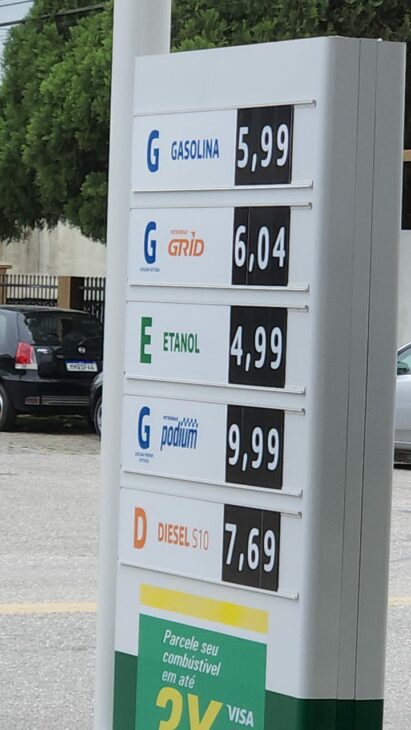
Some Coastal Cities in Santa Catarina (SC), Such as Itajaí, Navegantes, Palhoça, São José, and Balneário Camboriú, Are Experiencing Inflated Diesel Prices, Flirting with R$ 8. Currently, Gas Stations Are Charging R$ 7.69 in Neighboring Cities to the Coast, Such as Brusque, One of the Municipalities Where the Regional Survey by CPG Was Conducted. Gasoline, However, Has Decreased to Below R$ 6, Being Sold from R$ 5.96 to R$ 5.99.
Petrobras Announced This Week That It Would Be Reducing Fuel Prices by R$ 0.20 Directly from Refineries. The Impacts Are Already Being Felt in Some Neighboring Coastal Cities in Santa Catarina (SC), Where Gas Stations Are Charging Prices Below R$ 6 for a Liter of Gasoline. Meanwhile, Diesel Prices Remain High, Being One of the Highest in the History of the People of Santa Catarina: This Is the First Time in the State That This Fuel Has a Higher Price Than Gasoline.
For the Price Survey, the CPG Used Coastal Residents and Those from the Vale do Itajaí, Comprising Cities Such as Itajaí, Brusque, Guabiruba, Blumenau, and Others as Sources.
Southern Region Saw the Biggest Drop in Gasoline and Diesel Prices

According to Data Shared by the Ticket Log Price Index (IPTL), It Is Estimated That the Southern Region of Brazil Experienced the Largest Price Drops in Fuel Prices in July. The Drop Was Over 12%.
-
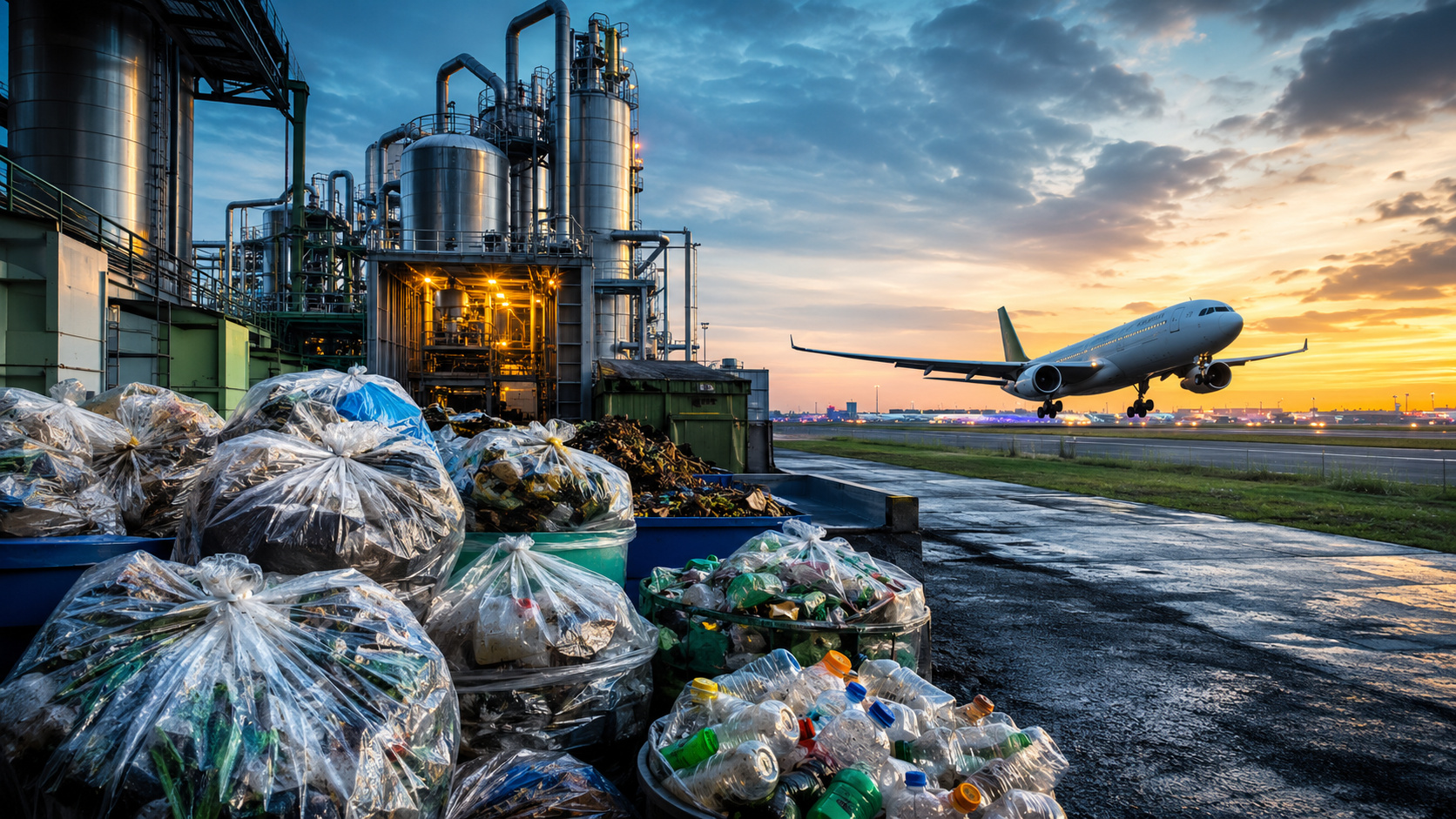
Qantas and Airbus Invest in Company Aiming to Convert Unsorted Household Trash into Jet Fuel

-
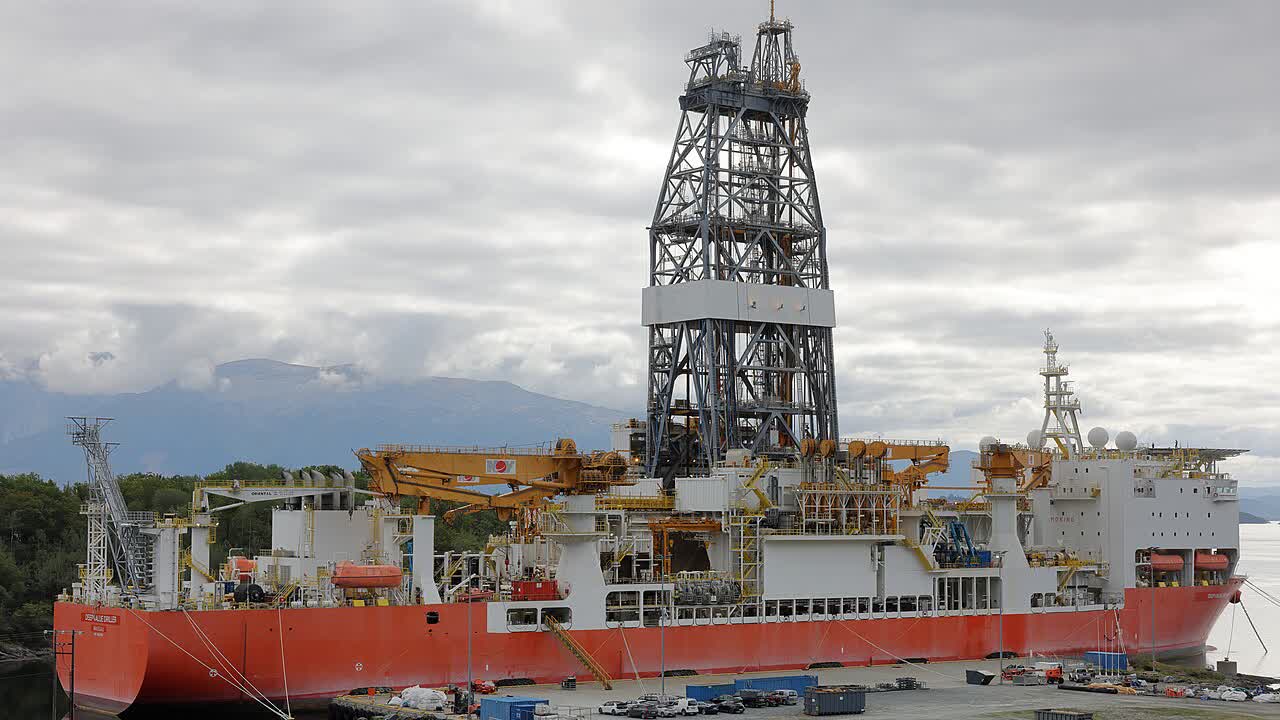
Brazil’s ANP Opens 86 New Oil Blocks in the Equatorial Margin, Expanding the Amazon River Mouth Frontier

-
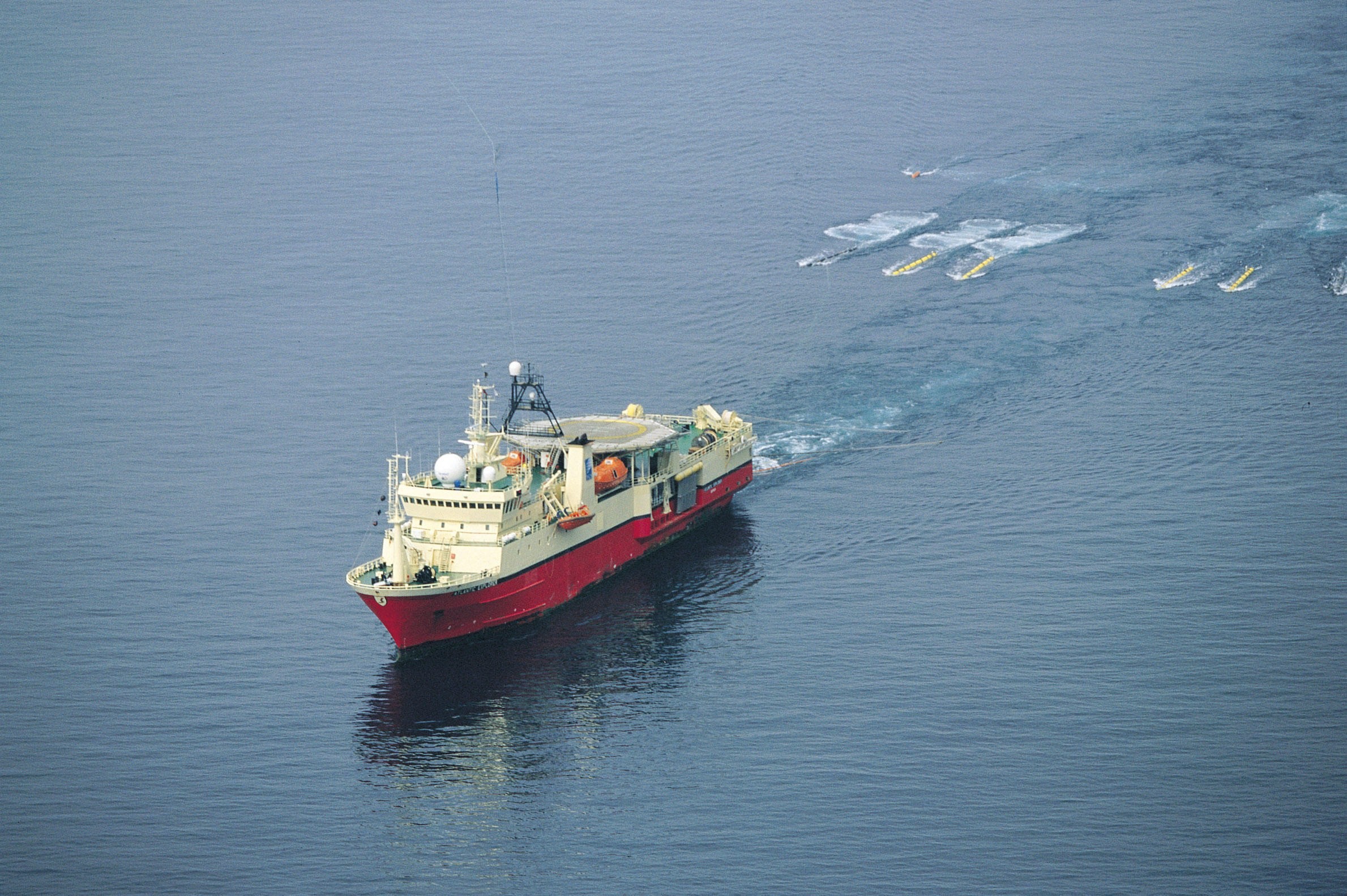
OPEC+ Boosts Oil Supply by 188,000 Barrels per Day in July 2026, Leading to Price Drop from $112 to $89 per Barrel in Under Two Months

-
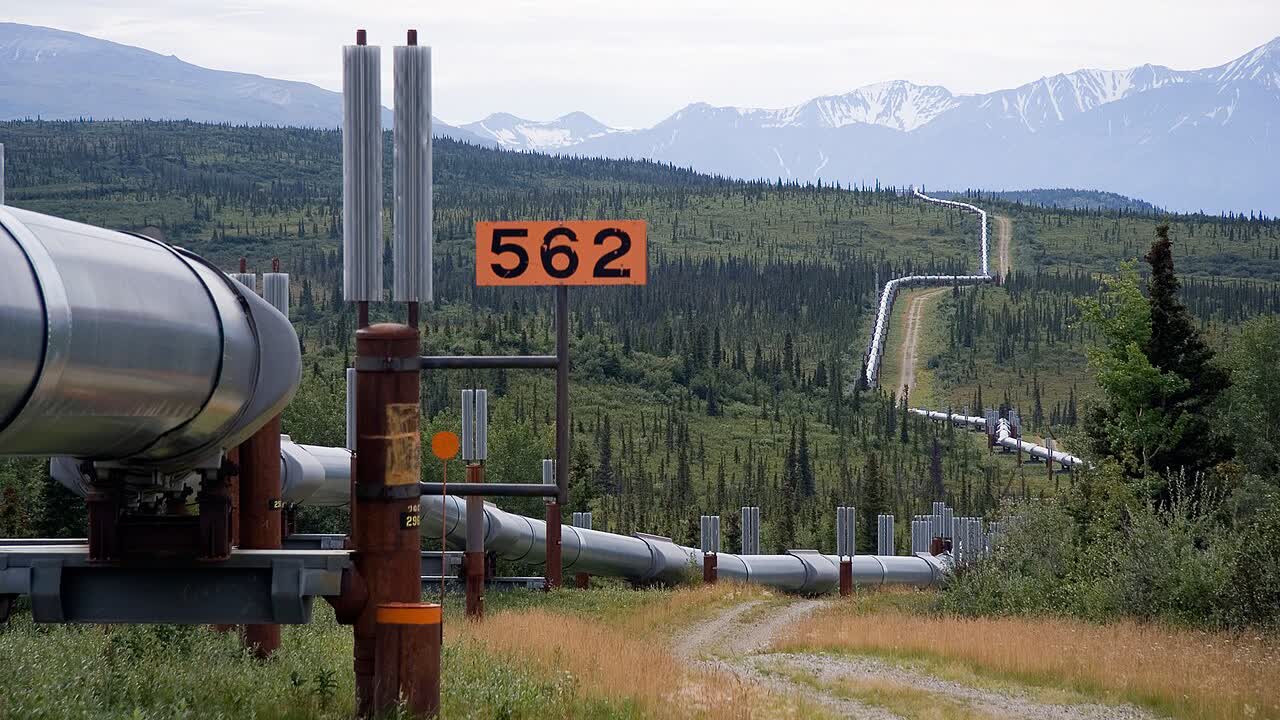
TotalEnergies Signs 20-Year Deal to Purchase 2 Million Tons of LNG from Alaska, Boosting Project Viability

Regarding Ethanol, However, One of the Brazilian States That Experienced the Largest Price Drops Was São Paulo (SP). The National Drop in Fuel Prices, Considering All Brazilian Regions, Was 10% in July, Especially After the Approval of Federal Government Projects, Managed by Jair Bolsonaro, for the Reduction of ICMS Taxes.
The Logistics Software Company, Pathfind, Stated That, Besides ICMS Rates Being Lower, the Government Also Provides Support of R$ 1,000 for Truck Drivers, Which Helps Freelancers Cope with Increases in Diesel Prices. Despite This, According to the Institution, the Aids Are Still Insufficient to Meet the Demands of the Logistics Sector, Given That They Are Expected to Finish the Year with a 10% Inflation That Will Not Be Passed on to the Final Consumer, Causing Losses and Stagnation for the Industry in 2022.
According to a Report Shared by CNN, at the End of 2020, Diesel Had a National Average Price of R$ 3.63. However, in Less Than 24 Months, There Was a Doubling of Its Price. Several Aspects Influence This Instability, Such as Brazil’s Dependence on Importing Refined Products from Abroad Due to Its Inability to Meet Internal Demand: Every Day, the Country Imports Over 30,000 Barrels of Refined Oil Even Though It Could Rely on Refineries, Such as COMPERJ, Which Was Planned During Luiz Inácio Lula da Silva’s Government but Was Never Completed. Additionally, It Hasn’t Even Produced a Barrel of Refined Oil, Despite High-Cost Investments. Today, Due to Inflation and the Devaluation of the Real, Which Reaches Double Digits, R$ 200 Billion Would Be Needed to Complete Construction.
Crude Oil Prices Are Expected to Drop in the Coming Weeks with New Partnerships from the United States – Besides Santa Catarina (SC)
According to Experts from Seu Dinheiro, the Price of Brent Oil (Crude) Has Decreased Five Times in the Last Six Economic Recessions. Currently, It Is Showing a 55% Increase Over the Last 53 Weeks, However, This Increase Is Less Than Previous Months, Which Reached Over 100%.
The United States Has Been Forming New Partnerships with Saudi Arabia to Supply Barrels through International Trade, Thus Aiming to Fill the Economic Gap Left by the End of Partnerships and Oil Imports from Russia After the Outbreak of the War with Ukraine at the End of February.