





 Português
  Inglês
  Espanhol
  2 min de leitura
  1 comentário


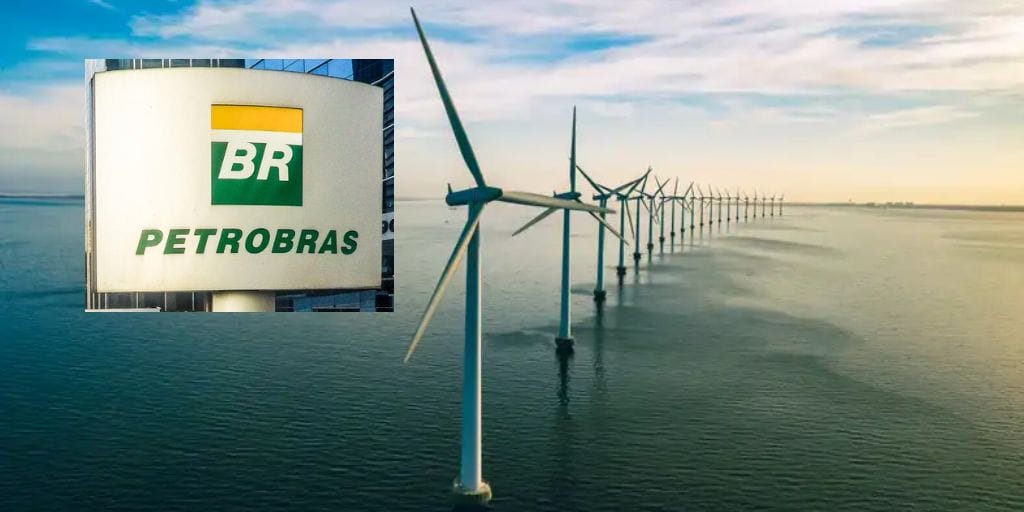

Petrobras signed a memorandum with the government of Rio Grande do Norte, demonstrating its interest in exploring the feasibility of implementing a pilot offshore wind energy project in the state.
According to information from the newspaper “Valor Econômico”, there is still no forecast regarding the investment amount and generation capacity. These aspects will be evaluated throughout the project development.
Under the agreement, Petrobras will be responsible for providing studies to assess the potential environmental and social impacts of the pilot project.
In turn, the government of Rio Grande do Norte will be in charge of aligning the project with state programs and policies, as well as promoting actions to improve the region where the project will be implemented.
-
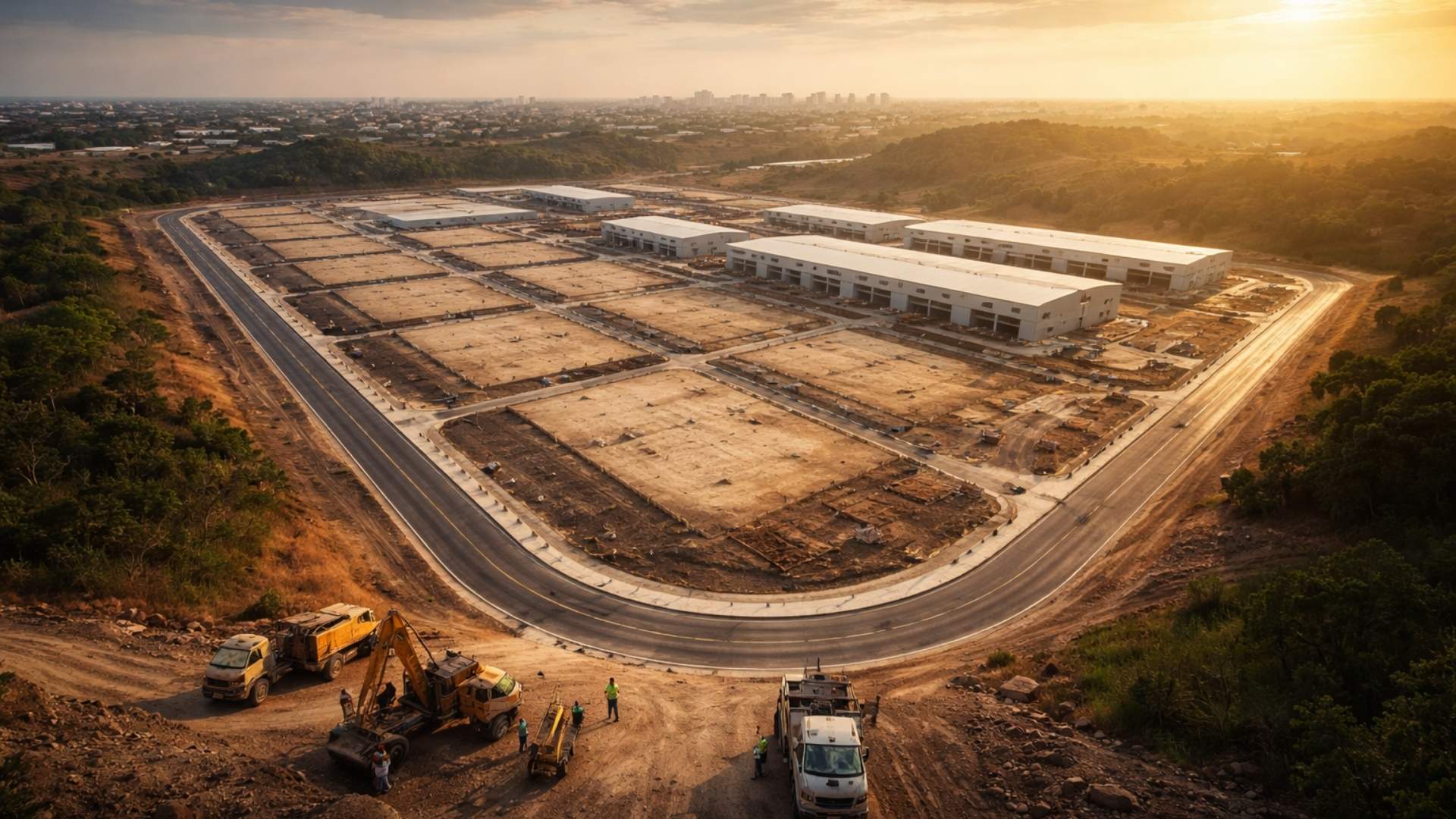
Brazilian city gains industrial hub for 85 companies that is equivalent to 55 football fields.
-
Peugeot and Citroën factory in Argentina cuts production by half and opens a layoff program for more than 2,000 employees after Brazil drastically reduced purchases of Argentine vehicles.

-
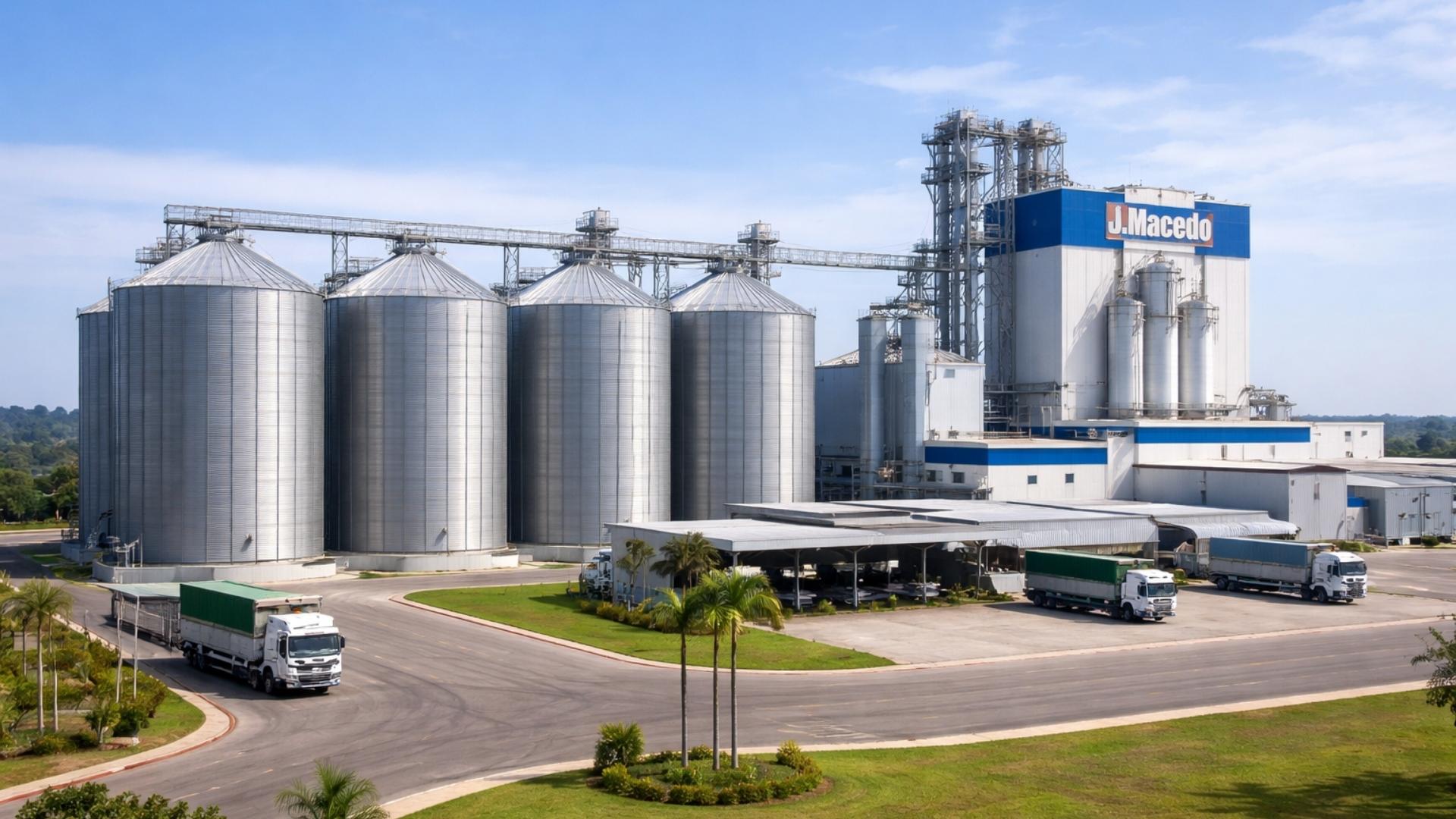
A Brazilian city gains a factory worth R$ 300 million with the capacity to process 200 thousand tons of wheat per year, a mill of 660 tons/day, silos for 42 thousand tons, and an industrial area of 276 thousand m².
-
Havan will leave the shopping mall in Blumenau to inaugurate something that the chain has never done before: a megastore in half-timbered style in the Historic Center of the city, which is expected to be completed in May and change the landscape of local retail.


Wind Energy in Brazil
Currently, Brazil has an estimated wind energy production capacity of between 22 and 25 thousand megawatts, according to data from the Research Centre for Greenhouse Gas Innovation (RCGI).
The majority of this capacity (90%) is concentrated in the Northeast. The RCGI highlights the importance of expanding this capacity through research and studies involving the industry and academia.
At the end of last year, the Ministry of Mines and Energy signed an agreement to join the Global Offshore Wind Alliance (GOWA), an initiative that brings together governments, the private sector, international organizations, and other stakeholders to accelerate the deployment of offshore wind energy.
The goal is to boost the development of this energy source to address climate crises and energy security challenges worldwide.
Brazil has stood out in renewable energy generation, according to data from ABEEólica. The country ranks sixth in the World Ranking of accumulated wind capacity compiled by the Global Wind Energy Council (GWEC) and third in the category of New Installed Capacity of Onshore Wind in 2022.








É muito orgulho saber a relevância que o nosso país tem quando se refere a energia eólica em todo o mundo.
#Crisesclimáticas
#Segurança energética emtodoomundo
#Meioambienteedesenvolvimentosustentável