






 Portuguese
  Spanish
  2 min of reading
  1 comment


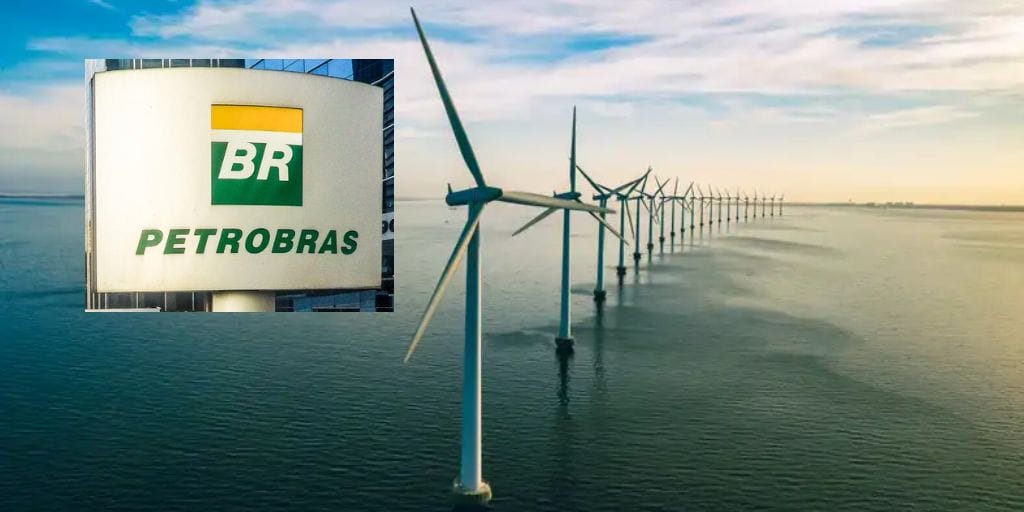

Petrobras signed a memorandum with the government of Rio Grande do Norte, demonstrating its interest in exploring the feasibility of implementing a pilot offshore wind energy project in the state.
According to information from the newspaper “Valor Econômico”, there is still no forecast regarding the investment amount and generation capacity. These aspects will be evaluated throughout the project development.
Under the agreement, Petrobras will be responsible for providing studies to assess the potential environmental and social impacts of the pilot project.
In turn, the government of Rio Grande do Norte will be in charge of aligning the project with state programs and policies, as well as promoting actions to improve the region where the project will be implemented.
-
FIRJAN’s mega plan of R$ 526.3 billion for Rio de Janeiro aims to revive Brazil’s largest industry, with two-thirds of the investments going to oil and gas.

-
China signals an increase in beef imports, Brazil has already consumed 70% of the 1.106 million ton quota and seeks to renegotiate the tariff that jumps from 12% to 55%, while demand from the US also skyrockets.
-
Food inflation rose 302% in 20 years in Brazil, but the supermarket changed: purchasing power yielded 87% more mortadella and 31% less fruit, and ultra-processed foods took over the cart.
-
Petrobras sells the first batch of 3,800 m³ of aviation fuel made with certified soy, capable of reducing emissions by up to 70%, in an unprecedented project that anticipates the aviation sector’s requirements expected for 2027.


Wind Energy in Brazil
Currently, Brazil has an estimated wind energy production capacity of between 22 and 25 thousand megawatts, according to data from the Research Centre for Greenhouse Gas Innovation (RCGI).
The majority of this capacity (90%) is concentrated in the Northeast. The RCGI highlights the importance of expanding this capacity through research and studies involving the industry and academia.
At the end of last year, the Ministry of Mines and Energy signed an agreement to join the Global Offshore Wind Alliance (GOWA), an initiative that brings together governments, the private sector, international organizations, and other stakeholders to accelerate the deployment of offshore wind energy.
The goal is to boost the development of this energy source to address climate crises and energy security challenges worldwide.
Brazil has stood out in renewable energy generation, according to data from ABEEólica. The country ranks sixth in the World Ranking of accumulated wind capacity compiled by the Global Wind Energy Council (GWEC) and third in the category of New Installed Capacity of Onshore Wind in 2022.




É muito orgulho saber a relevância que o nosso país tem quando se refere a energia eólica em todo o mundo.
#Crisesclimáticas
#Segurança energética emtodoomundo
#Meioambienteedesenvolvimentosustentável