





 Portuguese
  English
  Spanish
  3 min of reading
  0 comments


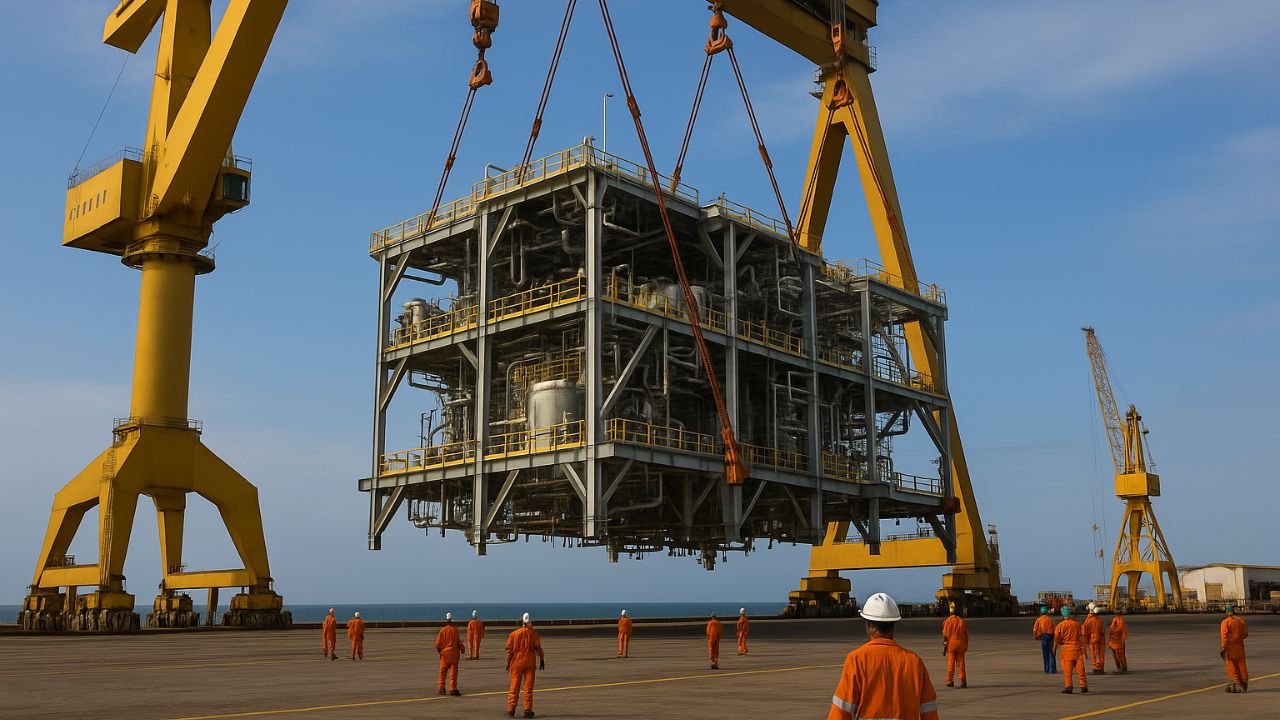
New Unit Will Be Installed in the Atapu Field, with a Forecast for Operation in 2029
Petrobras has begun construction of the P-84 platform modules at the Seatrium Aracruz Shipyard in Espírito Santo. With a capacity to process 225 thousand barrels of oil per day, the unit will be installed in the Atapu field, in the pre-salt of the Santos Basin, and is expected to start operations in 2029.
Start of Construction by Petrobras of P-84 in Espírito Santo
The Seatrium Aracruz Shipyard, formerly known as Jurong, has started assembling the modules of Petrobras’s P-84 platform. This unit is considered one of the largest oil production structures ever built, with a capacity to process 225 thousand barrels of oil per day. The platform will be installed in the Atapu field, located in the pre-salt of the Santos Basin, with a forecast for operations to begin in 2029.
Brazilian Participation in Construction
The construction of the P-84 will be divided among Brazil, China, and Singapore. The Espírito Santo shipyard will be responsible for three modules of the platform, representing 20% of the total structure. The other 80% will be assembled at Asian shipyards. During the peak of construction, an estimated 3,500 jobs will be created. Currently, the shipyard is engaged in constructing modules for the P-82 platform, employing about 5,000 direct and indirect workers.
-
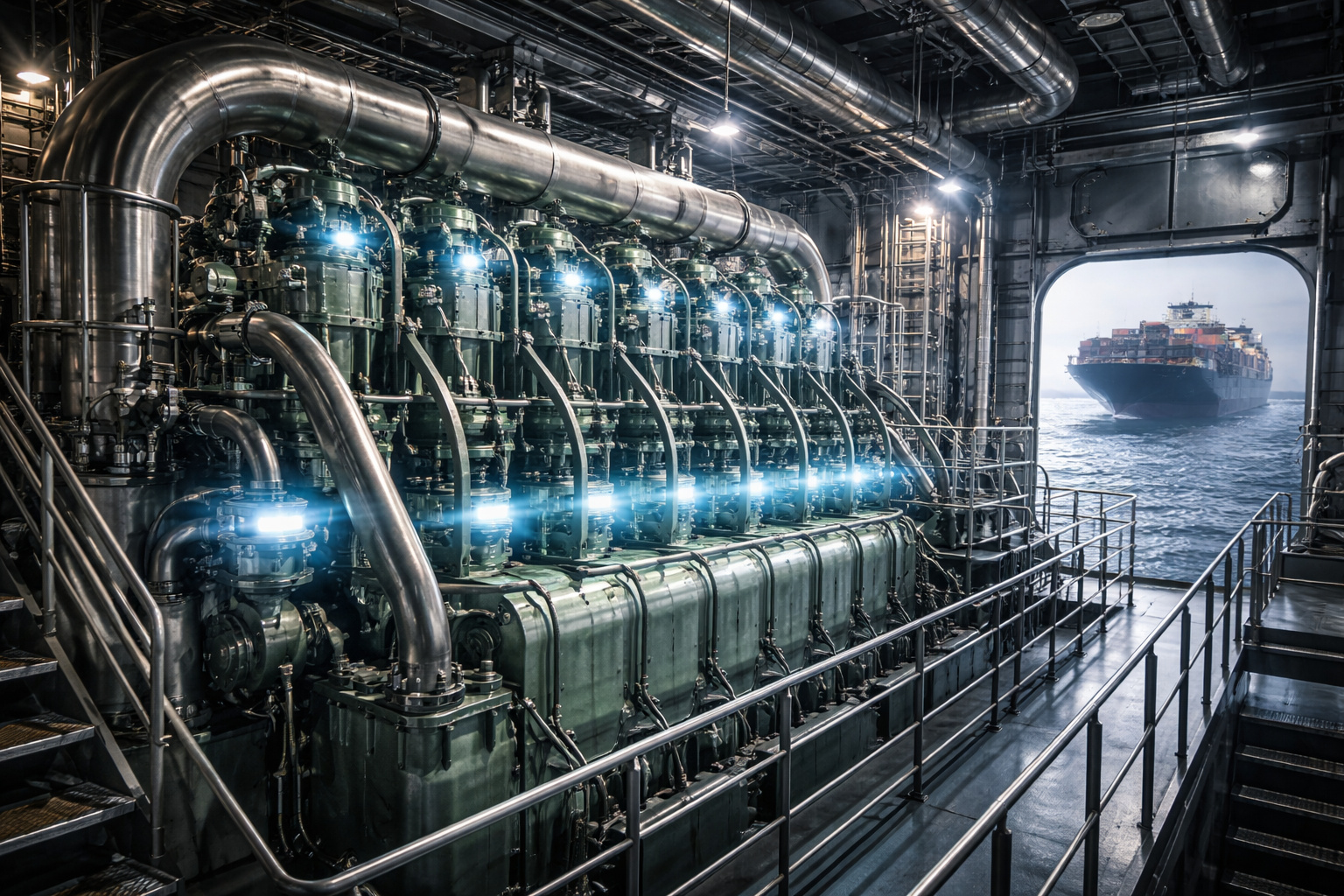
Europe is trying to create an ammonia-powered marine engine without auxiliary fuel, which could unlock the race for giant emission-free ships. The technology aims to eliminate one of the biggest obstacles to clean maritime propulsion.
-
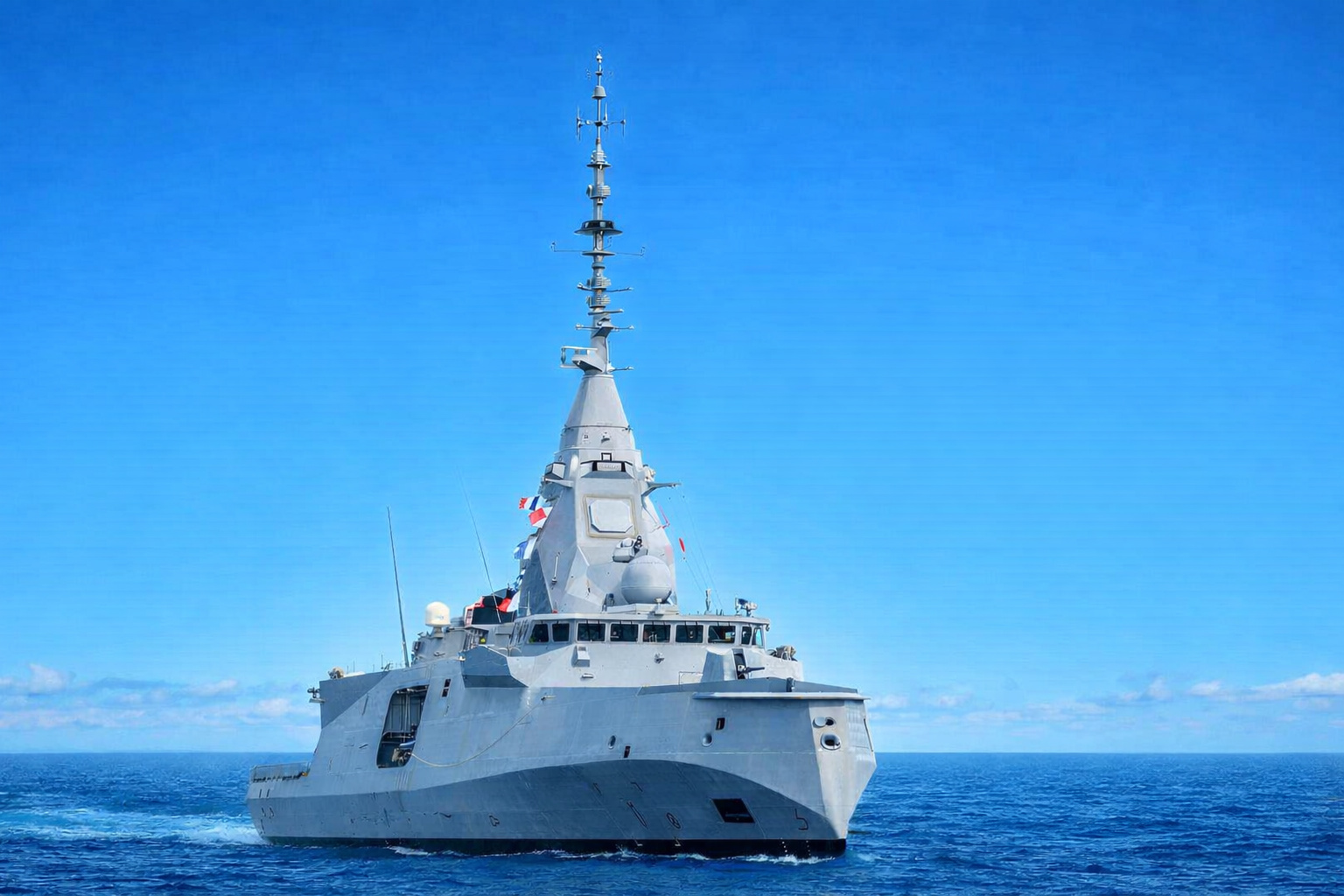
A 4,500-ton frigate with just over 100 crew members, state-of-the-art radar, and cruise missiles is being touted as the new standard of naval warfare in the 21st century.
-
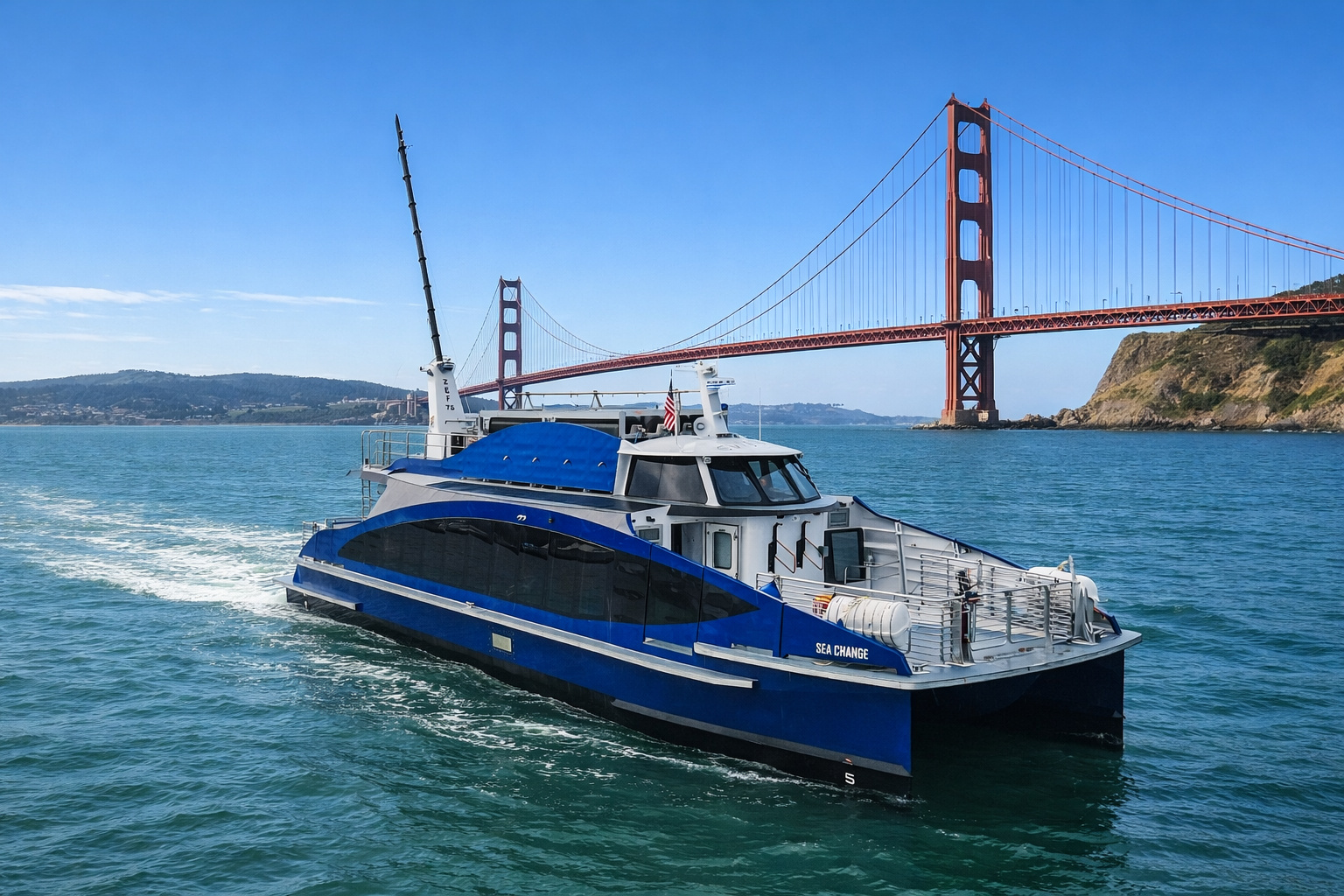
The first commercial hydrogen-powered ferry enters operation in the U.S., eliminates the use of diesel, uses fuel cells to generate clean energy on board, and transforms San Francisco Bay into a landmark of the new era of emission-free navigation.
-
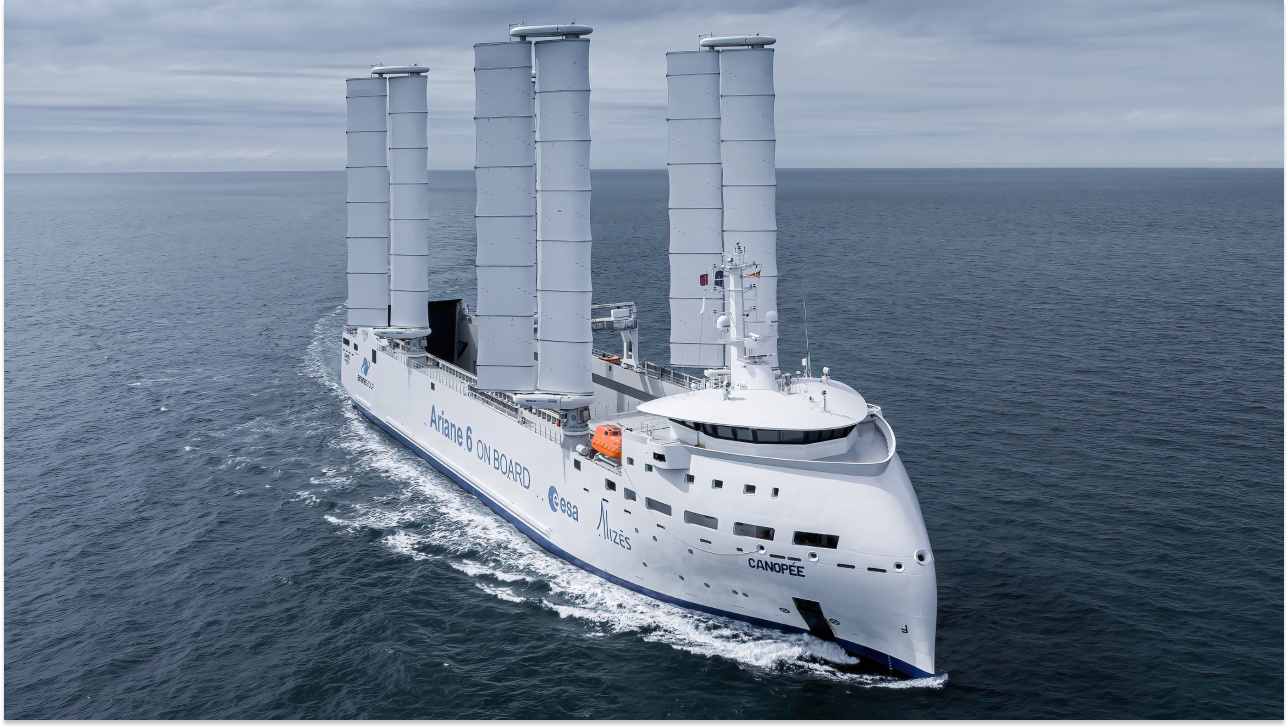
With a length of 121 meters and four rigid sails of 36 meters that automatically rotate to capture the wind, Canopée is the world’s first hybrid industrial cargo ship powered by wind, used to transport rockets and reduce fuel consumption by up to 30% on transoceanic routes.

Expansion of Petrobras Projects
In addition to the P-84, Petrobras plans to start construction of the P-85 platform modules at Seatrium Aracruz in the first quarter of 2026. The P-84 and P-85 platforms will be installed in the Atapu and Sépia fields, respectively, both in ultra-deep waters (over 2,000 meters) in the pre-salt of the Santos Basin. The forecast is for the P-85 to begin operations in 2030. The total investment by Petrobras in these two platforms is estimated at around US$ 11 billion, although the state-owned company does not officially disclose the amounts.
Sustainable Technologies Incorporated
The P-84 and P-85 platforms will be equipped with various sustainable technologies, including:
- Zero routine venting: recovery of vented gases from cargo tanks and the processing plant.
- Deep seawater intake: use of water sourced from greater depths for cooling operations and other processes.
- Variable speed drives on pumps and compressors: improvement in energy efficiency.
- Cogeneration (Waste Heat Recovery Unit): use of waste heat for energy generation.
- Zero routine flaring: recovery of gases from the flare through a closed flare system.
- Valves with low fugitive emissions requirements: reduction of unintentional emissions.
- CO₂ capture, utilization, and geological storage: treatment and storage of the CO₂ produced along with the gas.
With production expected to start between 2029 and 2030, the P-84 and P-85 platforms represent a significant advancement for Petrobras in pre-salt exploration, establishing themselves as emblematic projects both for production capacity and sustainability.




Seja o primeiro a reagir!