





 Portuguese
  English
  Spanish
  7 min of reading
  0 comments



The state oil company adjusts its accounts with the market and confirms that it will return the auction gas price difference to ensure the financial balance of the supply contracts signed with fuel distribution companies.
Petrobras will begin the process of reimbursing amounts to various fuel distributors after identifying distortions in certain contracting modalities, ensuring that it will return the auction gas price difference in accordance with market transparency guidelines.
This measure meets a need for technical adjustment in the costs of acquiring the input, correcting discrepancies between the values practiced in specific auctions and the reference prices of the international market.
This movement directly impacts the cash flow of state distributors, who are now awaiting financial compensation to balance their operational costs.
-
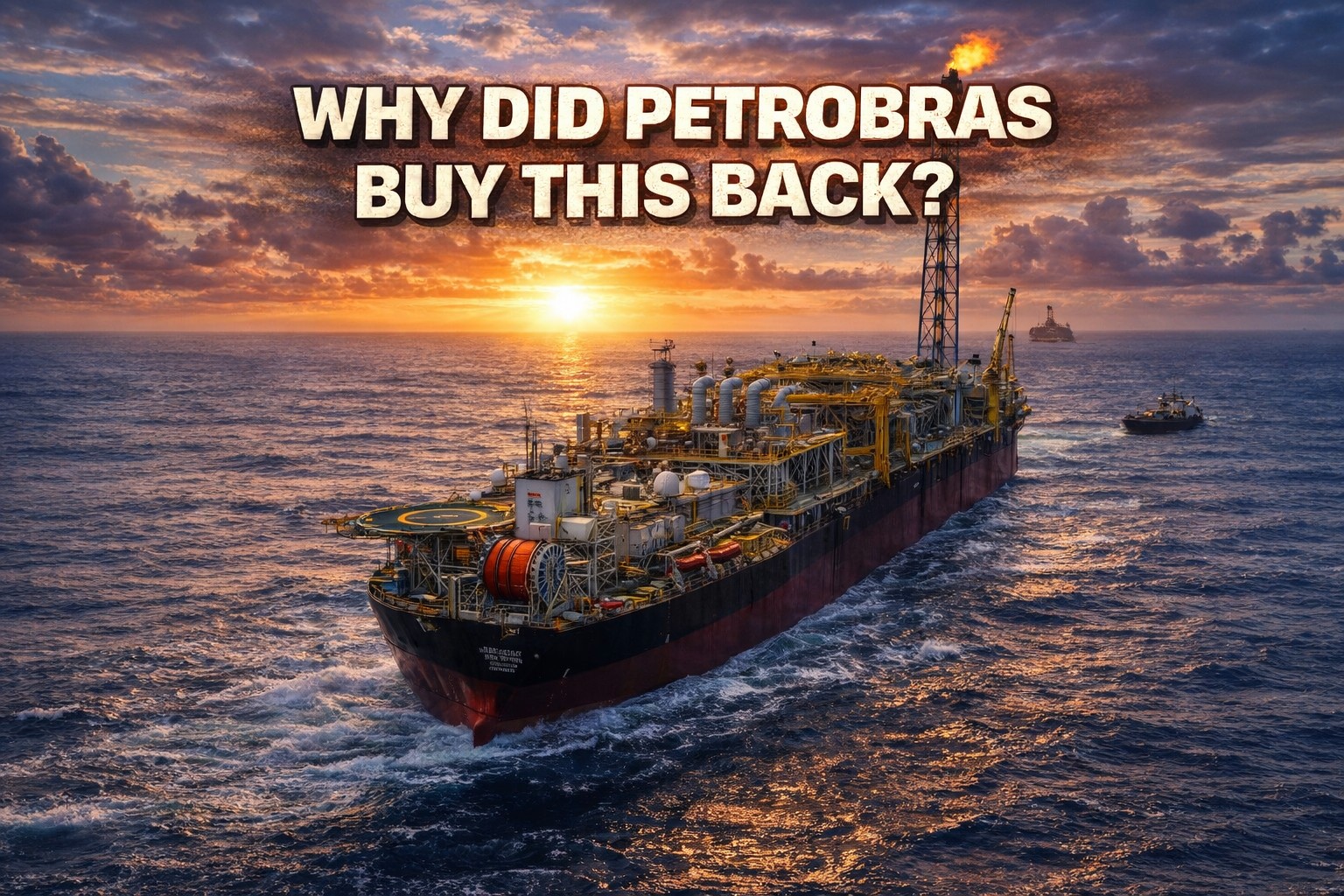
Petrobras buys back fields for billions — what no one is talking about regarding this decision and how it could impact jobs and oil in Brazil.
-
New escalation of tensions and oil crisis in the Middle East forces world powers to accelerate energy transition plans.
-
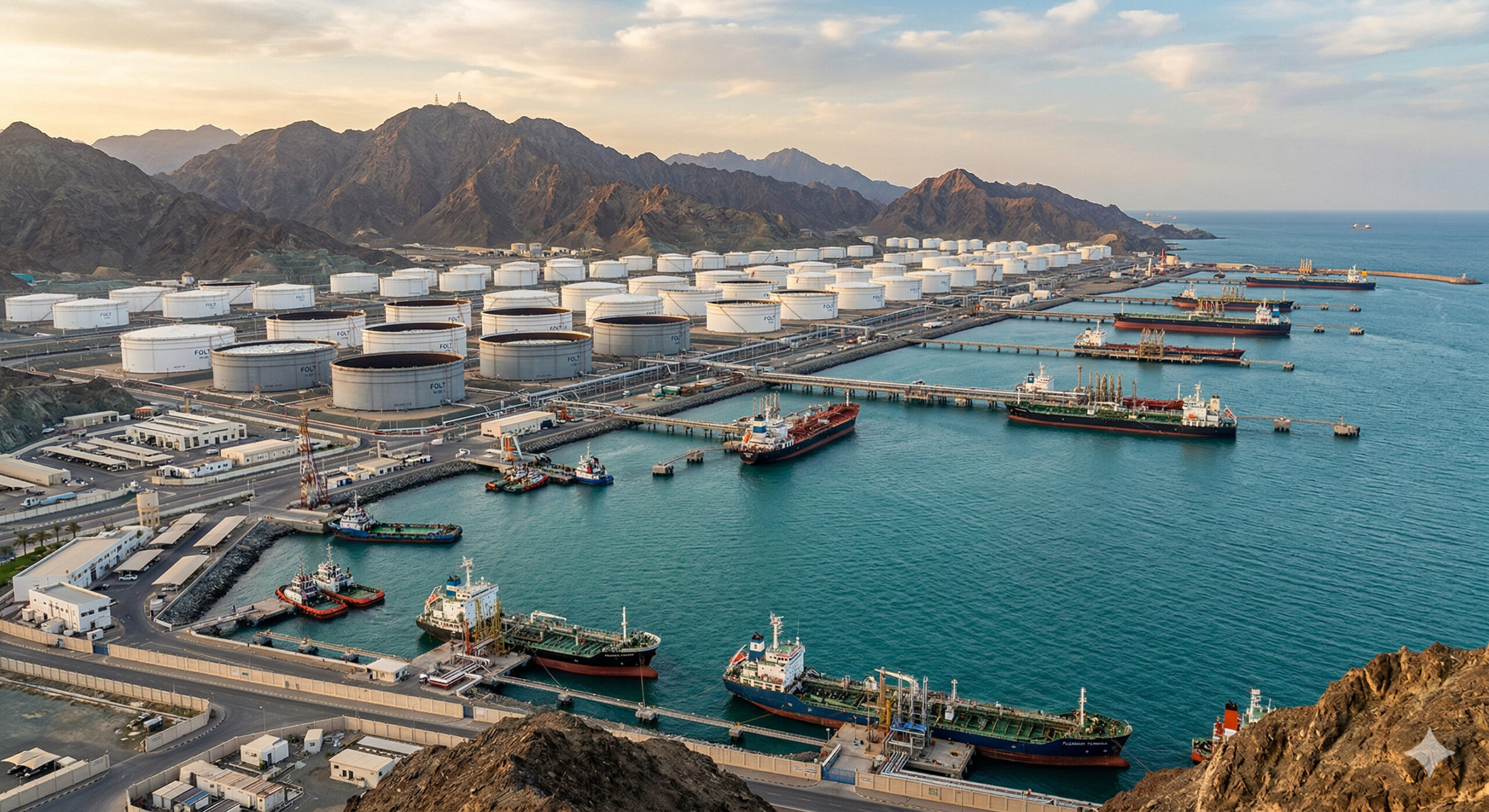
Giant reservoirs with a capacity of 18 million cubic meters have turned Fujairah into one of the largest energy vaults on the planet. This facility, located outside the Strait of Hormuz, stores oil on a colossal scale and has become a silent piece that supports the global flow of fuels.
-
The next exploration auction in the pre-salt will offer 23 blocks in the Campos and Santos basins and may change the interest of oil companies in Brazil.

Petrobras uses credit and compensation mechanisms to expedite this transfer, avoiding bureaucratic hurdles that could delay adjustments in the buyers’ spreadsheets.
With this decision, the oil company reinforces its commitment to corporate governance and the stability of the natural gas sector in Brazil, thereby ensuring that the price paid for the input reflects the real conditions of supply and demand established in the bidding notices.
The correction mechanism in supply contracts
Petrobras operates in the natural gas market through auctions and long-term contracts that have periodic review clauses. When the company conducts a sales auction, the final price depends on variables such as the price of a barrel of oil and the exchange rate of the dollar.
However, in situations of extreme volatility or changes in pricing rules, the amounts charged may exceed the ceiling allowed by sector regulation.
In this scenario, the company identified that reimbursement is the safest way to maintain the integrity of the contracts. By returning the auction gas price difference, Petrobras rectifies charges that could lead to prolonged legal disputes.
The distributors receive these credits back, which improves their investment capacity in expanding the pipeline network and serving industrial and residential customers. The reimbursement process occurs in a staggered manner, respecting the billing closure deadlines of each customer.
Real impact for the end consumer and for the industry
The Brazilian industrial sector consumes large volumes of natural gas for heating processes and steam generation. Any variation in the price of the input significantly alters the production cost of steel, glass, ceramics, and fertilizers.
The news that Petrobras will return the auction gas price difference brings immediate relief to the cost spreadsheets of these factories.

Although the transfer to the domestic consumer depends on state regulatory agencies (Arsesp, Agenersa, among others), the reduction in acquisition costs by distributors puts downward pressure on piped gas tariffs.
In practice, this means a greater chance of stability in the prices of cooking gas (LPG) and Compressed Natural Gas (CNG), thus benefiting app drivers and taxi drivers who depend on the fuel to work. The transparency in correcting these values increases the confidence of large investors in the national energy market.
How does the calculation of the price difference work?
The pricing of natural gas is not fixed. It follows complex formulas that consider transportation through the Bolivia-Brazil pipeline (Gasbol) and production on the pre-salt platforms.
When Petrobras announces that it will return the auction gas price difference, it bases its calculation on subtracting the price actually paid by distributors from the price that regulation defined as fair for that period.
The auditors from the state company and the National Agency of Petroleum, Natural Gas and Biofuels (ANP) cross-reference thousands of billing data to arrive at the exact amount.
This process involves analyzing invoices, delivery volumes measured at reception points (city gates), and daily variations in the spot energy market.
The technical precision in this reimbursement ensures that the market remains competitive and that Petrobras fulfills its role as the main energy player ethically.
The role of the ANP in price regulation
The National Petroleum Agency acts as the referee of this market. It monitors whether Petrobras and other private producers are following free competition rules.
The return of the auction gas price difference often results from a provocation or audit conducted by the agency to ensure that prices in Brazil do not become disconnected from global reality.
Brazilian regulation requires that the price of gas be transparent and non-discriminatory. If a distributor paid too much for a batch of gas during an auction that had pricing flaws, the ANP demands correction.
This system of checks and balances protects the market from abusive monopolies and ensures that natural gas remains a viable alternative to diesel and coal in the Brazilian energy matrix.
Financial recovery of state distributors
Piped gas distributors are companies that operate under state concession. They have regulated profit margins and need to present healthy balance sheets to ensure the maintenance of services.


When Petrobras confirms that it will return the auction gas price difference, it removes a financial burden from these companies.
Many of these distributors had provisioned losses due to the high cost of gas in recent months. With the reimbursement, these companies regain liquidity.
This extra money can be reinvested in remote measurement technology, pipeline safety, and converting heavy public transport fleets from diesel to natural gas, accelerating the urban energy transition in major capitals like Rio de Janeiro and São Paulo.
Transparency and governance at Petrobras
The decision to carry out voluntary or agreed reimbursement reinforces Petrobras’ new governance policy. The company seeks to distance itself from legal controversies and focuses on operational efficiency.
By admitting the need for correction and ensuring that it will return the auction gas price difference, the management of the oil company sends a signal of maturity to shareholders.
Accounting transparency is a fundamental pillar for publicly traded companies. Every penny returned to distributors appears in quarterly reports, demonstrating that the company prefers technical correction over insisting on undue charges.
This behavior elevates the company’s credit rating and attracts international partners interested in exploration and production projects in Brazil’s territorial sea.
Natural gas as a transition fuel
Brazil bets on natural gas as the transition fuel for a low-carbon economy. It pollutes less than coal and oil, serving as a backup for solar and wind sources. For this strategy to work, the price of gas needs to be competitive.
The correction made by Petrobras in returning the auction gas price difference helps keep this input attractive for the manufacturing industry.
If gas becomes too expensive due to errors in auctions, industries will revert to burning more polluting fuels to cut costs. Thus, the return of these amounts plays an indirect environmental role, keeping the productive sector on the path of sustainability.
Petrobras understands that being the largest supplier also requires the responsibility of ensuring a balanced market so that the national energy transition does not suffer financial setbacks.
Modernization of the gas market in Brazil
The “New Gas Law” opened space for new competitors, but Petrobras still holds the largest share of supply. The reimbursement process and the fact that the company will return the auction gas price difference are part of this adaptation to the new legal framework. The market demands clear rules so that new suppliers feel confident entering the system.

The standardization of returns and compensations creates a history of precedents. If other producers make similar mistakes in the future, the market will already know how to proceed.
This reduces the “Brazil Risk” in the energy sector and facilitates the signing of long-term contracts, which are the basis for financing large energy infrastructure projects, such as regasification terminals and natural gas processing units (UPGNs).
Next steps for distributors and consumers
The distributors are now processing the credits received from Petrobras. They must present the new cost calculations to the regulatory agencies so that tariff revisions can take place. Consumers should monitor the official gazettes to check when the reduction in gas costs will reach the end user.
It is important to emphasize that the return of the auction gas price difference may not result in an immediate and drastic drop in price for the citizen, as other components, such as state taxes (ICMS) and distribution costs, continue to apply to the final value.
However, the reimbursement halts the upward pressure, ensuring that natural gas does not become an inflation villain in the coming months. The vigilance of consumer protection agencies ensures that the financial benefit actually reaches those who use the service.
A fairer and more efficient market
The confirmation that Petrobras will return the auction gas price difference closes a chapter of uncertainties for fuel distributors. The measure demonstrates that the oil and gas sector in Brazil has effective self-correction mechanisms.
The state oil company, by adjusting its accounts, protects the integrity of the market and ensures that the national industry continues to operate with competitive costs.
Natural gas is the bridge to the sustainable future of the country. Maintaining transparency in auctions and fairness in prices is the only way to ensure that this bridge is solid. For the market, the lesson is that technical governance and strong regulation are essential to avoid distortions.
For the citizen, the expectation remains that these financial adjustments will result in a more vibrant economy, with accessible energy and fair prices throughout the production chain.









Seja o primeiro a reagir!