





 English
  Francês
  Alemão
  Italiano
  Japonês
  Norueguês
  Portuguese
  Spanish
 3 min of reading


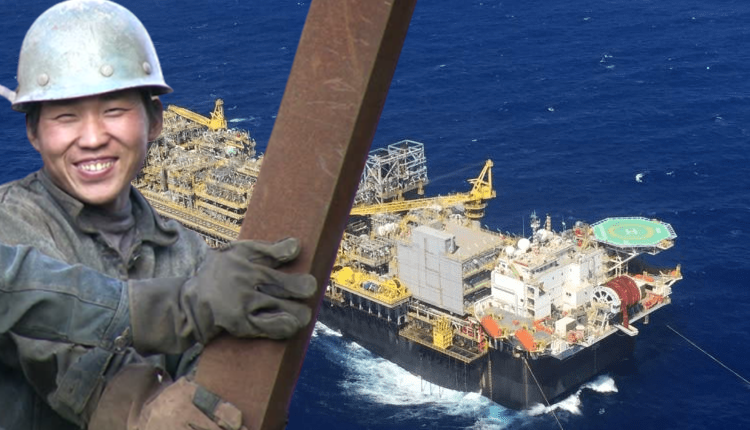
Petrobras Representatives Stated in Online Interview That the State-Owned Company Will Follow What Is in the LAW and That Interests Focus on Price, Quality, and Safety. Brazilian Shipbuilding Will Only Execute 25% of the Works
The main shipyards in Brazil have been counting on Petrobras’ solidarity in recent times. The state-owned company’s announcement to charter 3 FPSO-type platform ships (Floating Storage and Offloading Unit) for the gigantic Búzios Field in the pre-salt basin of Santos has left the national shipbuilding industry on alert, along with hope that these works would be executed in the country, generating jobs and revitalizing this sector’s economy. But it seems this was not the case this time.
There was an online interview with two representatives from Petrobras last Friday (31): Carlos Alberto de Oliveira, Director of E&P, and Roberto Castello Branco, the current president of the state-owned company.
Oliveira stated that they will follow what is in the law, meaning the obligation to fulfill at least 25% of local content, which usually consists only of module assemblies, topsides, hulls, and other small modular services. The majority, about 75%, will remain abroad. (Asian amateurs, naturally).
-
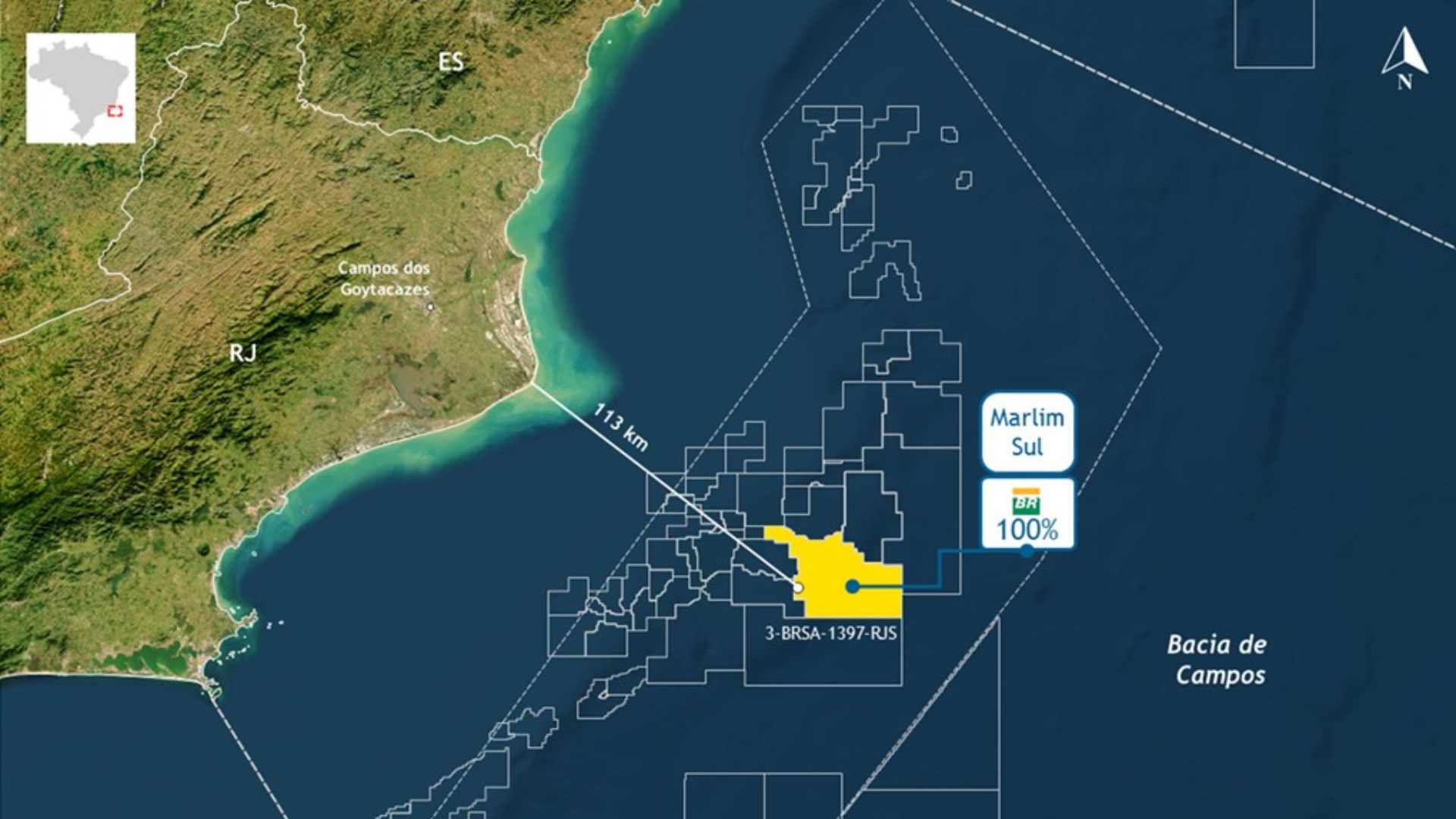
Petrobras finds high-quality oil in the pre-salt at 113 km from RJ and reignites expectations about strategic reserves in the Campos Basin.

-
Ocyan opens registrations for startups focused on innovation in the oil and gas sector and will select projects for Innovation Day with the support of Nexio.

-
Petrobras announces new oil discovery in the pre-salt of the Campos Basin and reinforces Brazil’s prominence with high-quality reserves that can increase production and energy revenues.
-
Alert in the fuel market: Analysts and a former director of ANP warn that oil prices may worsen in the coming months due to global instability.

Castello Branco said in the same interview that Petrobras should focus on 3 fundamental aspects: price, quality, and safety.
Building in Asian Shipyards Is Cheap in the Short Term
Brazilian shipbuilding is a reference in technical quality and safety in executing works on FPSO-type platform ships and other units intended for the offshore/maritime segment. The main barrier this sector currently faces concerns production costs.
Building in shipyards in China, Singapore, South Korea, and other Asian countries is cheap because there are almost no labor rights. The Brazilian currency (REAL) is very devalued, noting that oil is a commodity, so almost everything traded in this market is in commercial dollars (USD).
We have the issue of Brazilian tax regulation, which is one of the significant impediments to large-scale works and projects being executed here more vigorously.
Do you know where the largest deep-water oil field in the world is located? The Búzios Field is in Brazil and already accounts for over 20% of our production. Check it out: https://t.co/aGuXodI0tR #EnergiaParaTransformar#JuntosNossaEnergiaFicaMaisForte pic.twitter.com/Acph1jK56C
— Petrobras (@petrobras) July 29, 2020
Summary of the Methodology Petrobras Uses to Contract or Charter FPSO-Type Platform Ships
In Oliveira’s words during the same interview, he provided a three-step summary of how the hiring process for the platforms works until construction begins:
- Petrobras uses a pre-qualification system for companies and selects those with technical expertise to participate in the FPSO bids
- Next, there will be a competitive process regarding the hiring of own units
- At this point, the winning companies have the autonomy to decide in which shipyards they want to build, provided that 25% of these works are done in Brazil, which is the local content.
There are 6 FPSOs being built abroad at this time:
- FPSO Carioca – China
- FPSO Guanabara – China.
- FPSO Almirante Barroso – China
- FPSO Anitta Garibaldi – China
- FPSO Anna Nery – Malaysia
- FPSO Sepetiba – China
For more technical details on the construction of these units, involved companies, and respective shipyards, visit Petronoticias here.
The Executive Director of Production Development, Rudimar Andreis Lorenzatto, explains that he works in a scenario where the current pandemic will not hinder the progress of these three projects for the Búzios Field: “As we have a process that is just starting now and we will only sign these contracts in 2021, we expect the effect of Covid-19 on the construction of these three FPSOs to have passed by then.”








Seja o primeiro a reagir!