






 Portuguese
  Spanish


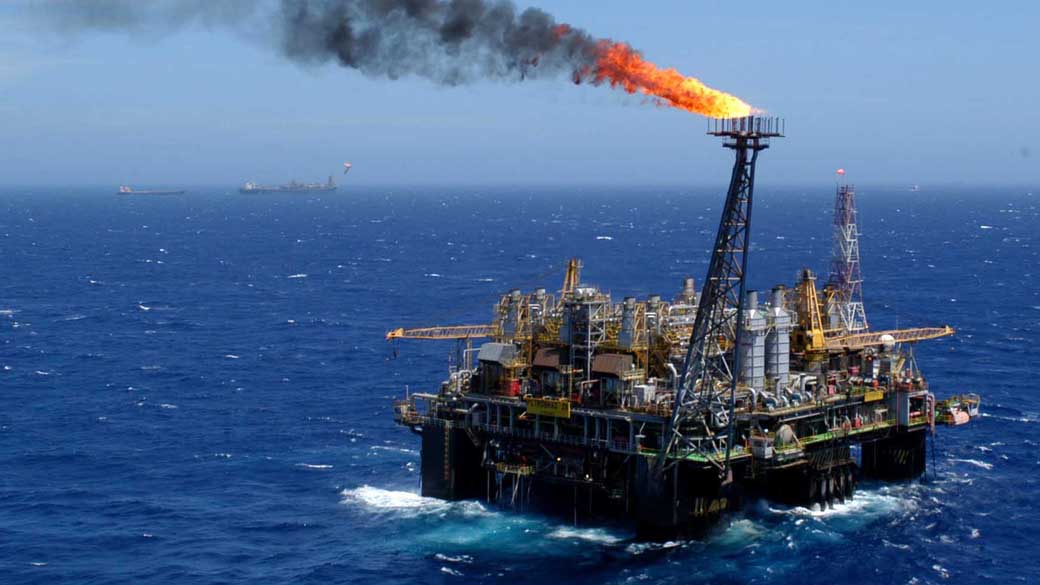

It Is Expected That, By 2030, The Búzios Field Will Produce 2 Million Barrels Of Oil Per Day
Petrobras approved last week the hiring of three new production units of the FPSO type (Floating Production Storage and Offloading – Floating Production, Storage, and Offloading Unit) to be used in the Búzios field, in the pre-salt layer, in the Santos Basin.
See Also Other News:
- Federal Government And Infraero Complete Airports With Investments That Exceed 9 Million Reais
- Multinational Sodexo Opens More Than 130 Job Vacancies For Various Positions Across Brazil
- Construction Works – Raizen, Ipiranga, And BR Distribuidora Invest In A New Fuel Distribution Terminal In MIRITITUBA-PA, Generating Jobs And Boosting The Regional Economy
The three new oil platforms will be the first contracted after the acquisition of excess volumes from the onerous assignment of the Búzios field in November 2019, in partnership with the Chinese companies CNOOC Petroleum Brasil Ltda. and CNODC Brasil Petróleo e Gás Ltda.
These contracts cost Petrobras R$ 61.4 billion. The company bets on selling assets that yield lower financial returns and that are not part of its main business, thus making more resources available for promising projects, such as the Búzios field.
-
OPEC+ Boosts Oil Supply by 188,000 Barrels per Day in July 2026, Leading to Price Drop from $112 to $89 per Barrel in Under Two Months

-
TotalEnergies Signs 20-Year Deal to Purchase 2 Million Tons of LNG from Alaska, Boosting Project Viability
-
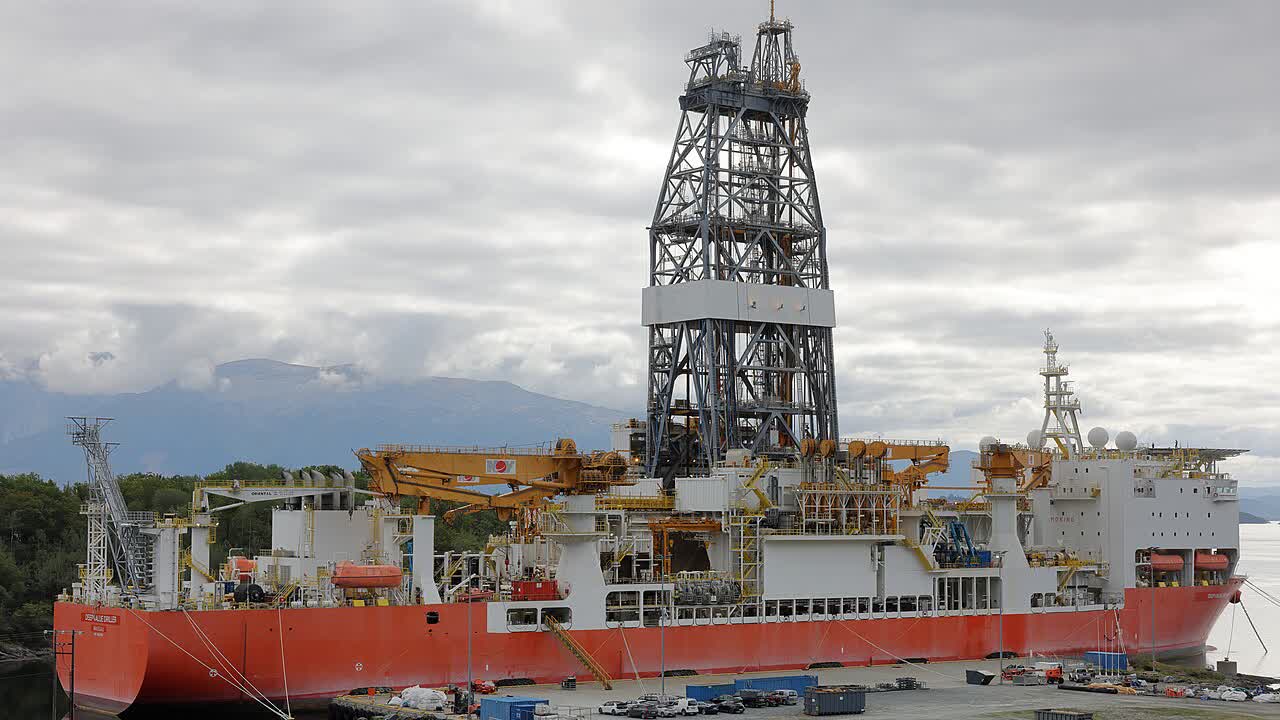
Turkey Deploys Çağrı Bey Drilling Ship to Explore New Oil Frontier Off Somalia’s Coast
-
Golden Pass LNG Ships First Liquefied Gas Cargo from the U.S., Completing $10 Billion QatarEnergy and ExxonMobil Investment

Currently, Petrobras operates four units in Búzios, which are responsible for more than 20% of the company’s total production and over 30% of the pre-salt production. Production records have been achieved through these platforms.
Búzios, the largest deepwater oil field in the world, produces and has high-quality oil, substantial reserves, low risk, and low extraction costs. It is located 180 kilometers (km) from the Brazilian coast and over 5,000 meters in depth. It has an area of 850 km², with reservoir thicknesses of up to 480 meters and excellent reservoir rock quality. The more than 45 wells drilled so far confirm the excellent quality of the reservoir.








