





 Portuguese
  English
  Spanish
  4 min of reading
  49 comments



Petrobras Faces A Dilemma: As It Discovers An Oil Field Comparable To The Pre-Salt, The Lack Of Environmental Licenses May Force Brazil To Resume Oil Imports.
It is already known to many that Petrobras, the giant state-owned company, has discovered an oil field on the equatorial margin, an area that promises to be as rich as the famous pre-salt region.
However, this discovery cannot yet be utilized by the state-owned company, as the lack of authorization for exploration leads to an uncertain future: the possibility of resuming oil imports in the coming years.
The alarming statement came from Sylvia Anjos, director of Exploration and Production (E&P) at Petrobras, during an open lecture at the Alberto Luiz Coimbra Institute for Post-Graduation and Research in Engineering (Coppe), at the Federal University of Rio de Janeiro (UFRJ).
-
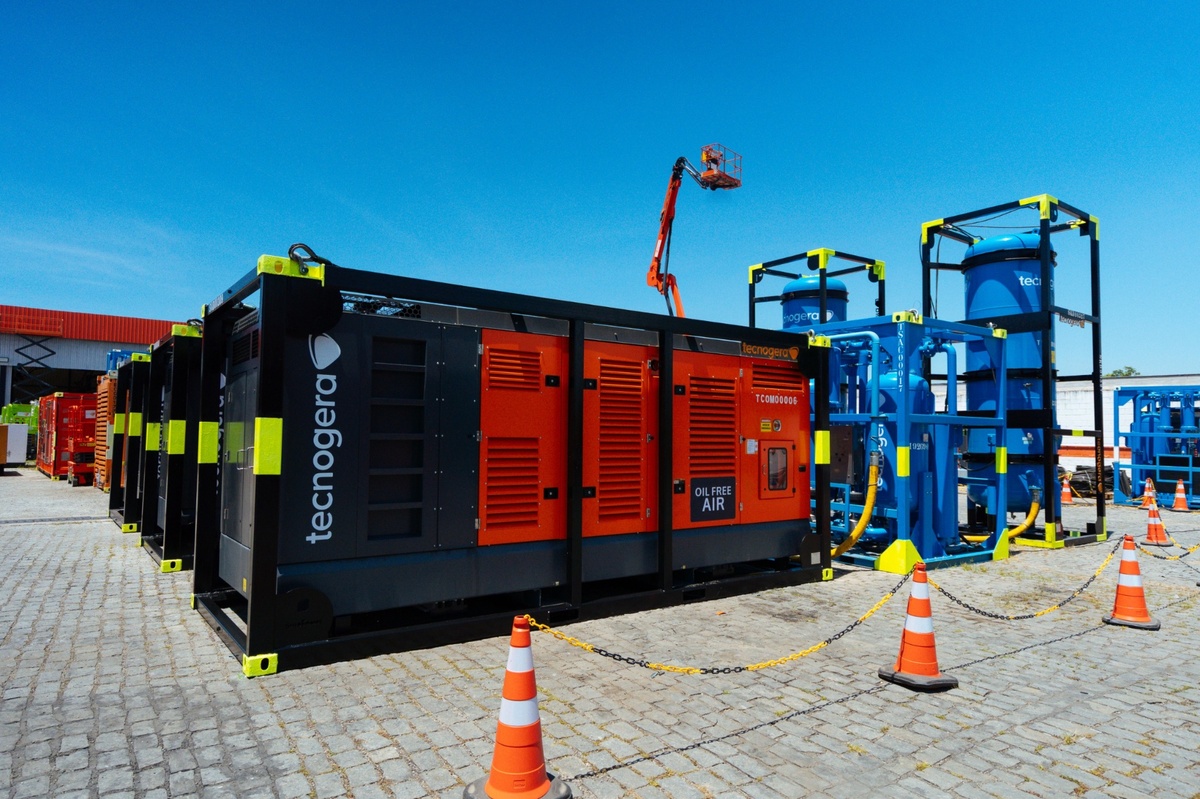
Offshore industrial demand in Macaé skyrockets with the recovery of oil and gas and could grow by up to 396% by 2026 in the Campos Basin.
-
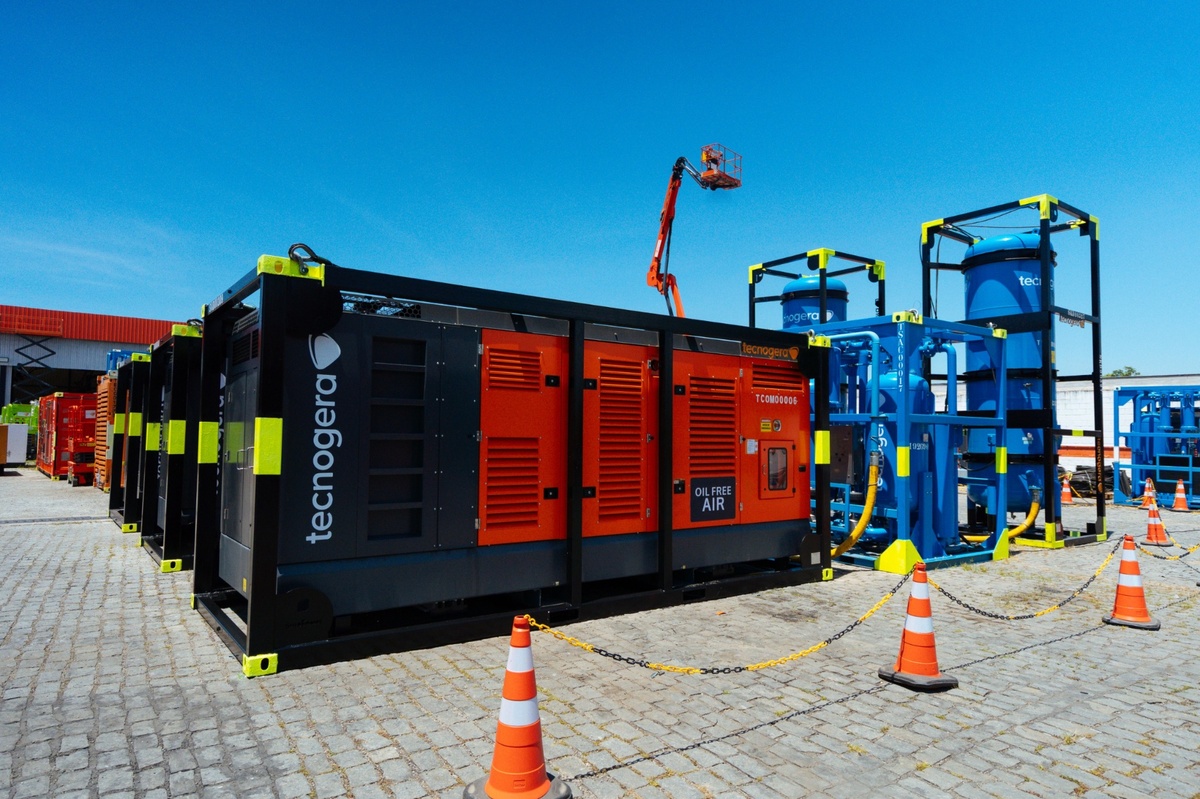
Offshore industrial demand in Macaé surges with the recovery of oil and gas and could grow by up to 396% by 2026 in the Campos Basin.
-
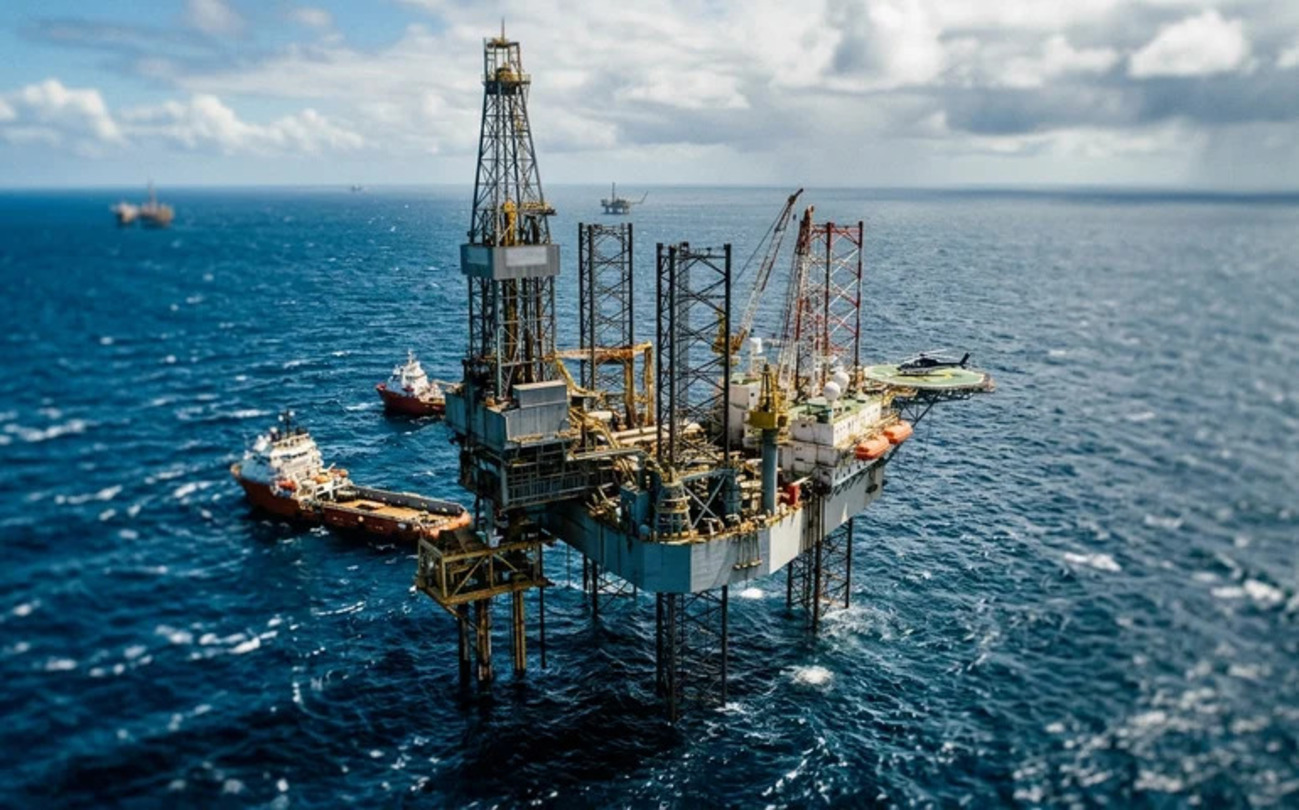
Brazilian giant expands borders in the Southeast: Petrobras confirms new oil discovery in ultra-deep waters in the pre-salt of the Campos Basin.
-
Alert in the global energy market: Severe tropical cyclone hits the coast and disrupts gas production at major plants in Australia, threatening global supply.
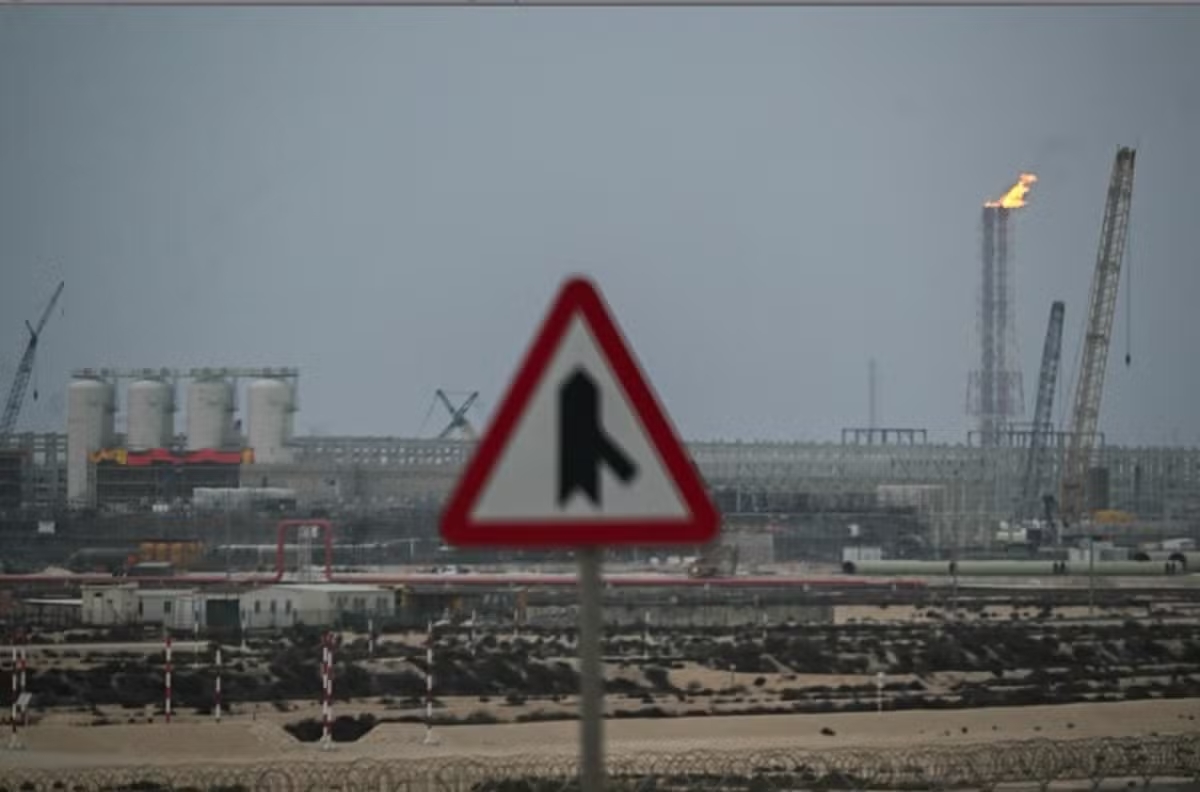

The Reality Of The Pre-Salt
In her statement, Sylvia emphasized that if new discoveries are not made, Brazil may resume being an oil importer by 2034 or 2035, due to the forecast of declining pre-salt production.
Since 2006, Brazil has been self-sufficient in oil, and currently, 81% of national production comes from the pre-salt.
The equatorial margin, which extends from the coast of Rio Grande do Norte to Amapá, is compared to the pre-salt due to its high probability of containing significant reserves.
However, environmentalists criticize the exploration due to the potential for environmental damage.
Currently, Petrobras has 16 wells in the new exploratory frontier, but has obtained authorization from the Brazilian Institute of Environment and Renewable Natural Resources (Ibama) to drill only two off the coast of Rio Grande do Norte.
The license to explore other areas, such as the Amazon River Mouth Basin, has been denied, leading Petrobras to request a reconsideration from the agency, linked to the Ministry of Environment and Climate Change (MMA).
Ibama has not yet informed when it will make a decision on this request.
Environmental Challenges And Petrobras’ Response
Sylvia explained that Petrobras has met Ibama’s requirements to obtain the exploration license, which include creating animal rescue centers in the event of an oil spill, guarantees that there will be no overload at Oiapoque Airport, in Amapá, and simulations of environmental emergencies.
She also criticized what she called “scientific fake news,” referring to the idea that there are corals at the mouth of the Amazon River.
“There are no corals at the mouth of the Amazon; that is not true. There are rock formations similar to corals,” she stated, emphasizing that the wells are located 540 kilometers from the river’s mouth, far from areas that could be considered marine sanctuaries.
Financial And Operational Impacts
Sylvia expressed frustration with the current situation, stating that the lack of a drilling license represents an “operational loss” for Petrobras.
The company spent, for example, more than US$ 600 thousand per day to rent drilling rigs, which remained idle due to the absence of authorization.
Although the expectation that the license will be granted this year is low, the director remains optimistic, stating that Petrobras is doing everything necessary to secure the license.
She also mentioned that drilling, even if the authorization is granted immediately, is not expected to begin before 2025, due to the time required to prepare the rig.
The Future Of Oil And New Technologies
The time between the discovery of a reservoir and the production of oil can take six to seven years, and Petrobras is seeking suppliers that can provide platforms at a more affordable cost.
The current costs of US$ 4 billion for an FPSO (Floating Production, Storage and Offloading unit) are considered unfeasible to ensure production profitability.
Sylvia revealed that several major oil companies are interested in partnerships with Petrobras, but the lack of licenses has deterred this interest.
“All companies are eyeing Brazil, however, they have lost hope with the licensing issue,” she said.
The Relationship With The Energy Transition
The director believes there is no contradiction between Brazil’s environmental policy and the pursuit of oil exploration.
According to her, Petrobras is investing in technologies that allow for production with lower carbon dioxide (CO₂) emissions.
“The emissions from the pre-salt can reach seven to nine kilograms of CO₂ per barrel,” she states, comparing it with the global average, which is around 17 kg.
Petrobras’ production is expected to reach the so-called net zero (negative carbon emission balance) before 2050.
Uncertainties regarding exploration in the equatorial margin remain, but the hope for a new era for the oil industry in Brazil is alive.
What do you think? Is Brazil prepared to face environmental challenges and ensure its oil self-sufficiency?






Dizem que a Petrobrás é uma Estatal, ou seja do Estado, ou seja DO POVO BRASILEIRO,
mas o que adianta ser “dono” de uma Empresa que te cobra os preços de mercado pela gasolina que você consome, aliada a IMPOSTOS ABUSIVOS e uma qualidade horrível.
A exploração de recursos naturais é necessária, o Brasil é um fazendão que sobrevive da ação extrativa. Os outros países exploram seus recursos naturais, e só o Brasil que não pode? É claro que tem que haver sustentabilidade e respeito ao meio ambiente, mas impedir a exploração empurra o Brasil para o atraso. O IBAMA é usado politicamente para atrasar nosso país e deveria ser extinto.
A Petrobras é uma empresa responsável e comprometida ambientalmente, então sinceramente acredito que esse governo **** ta criando dificuldade para vender facilidades, num passado não muito longe nós vimos o que aconteceu