





 Portuguese
  English
  Spanish
  5 min of reading
  0 comments


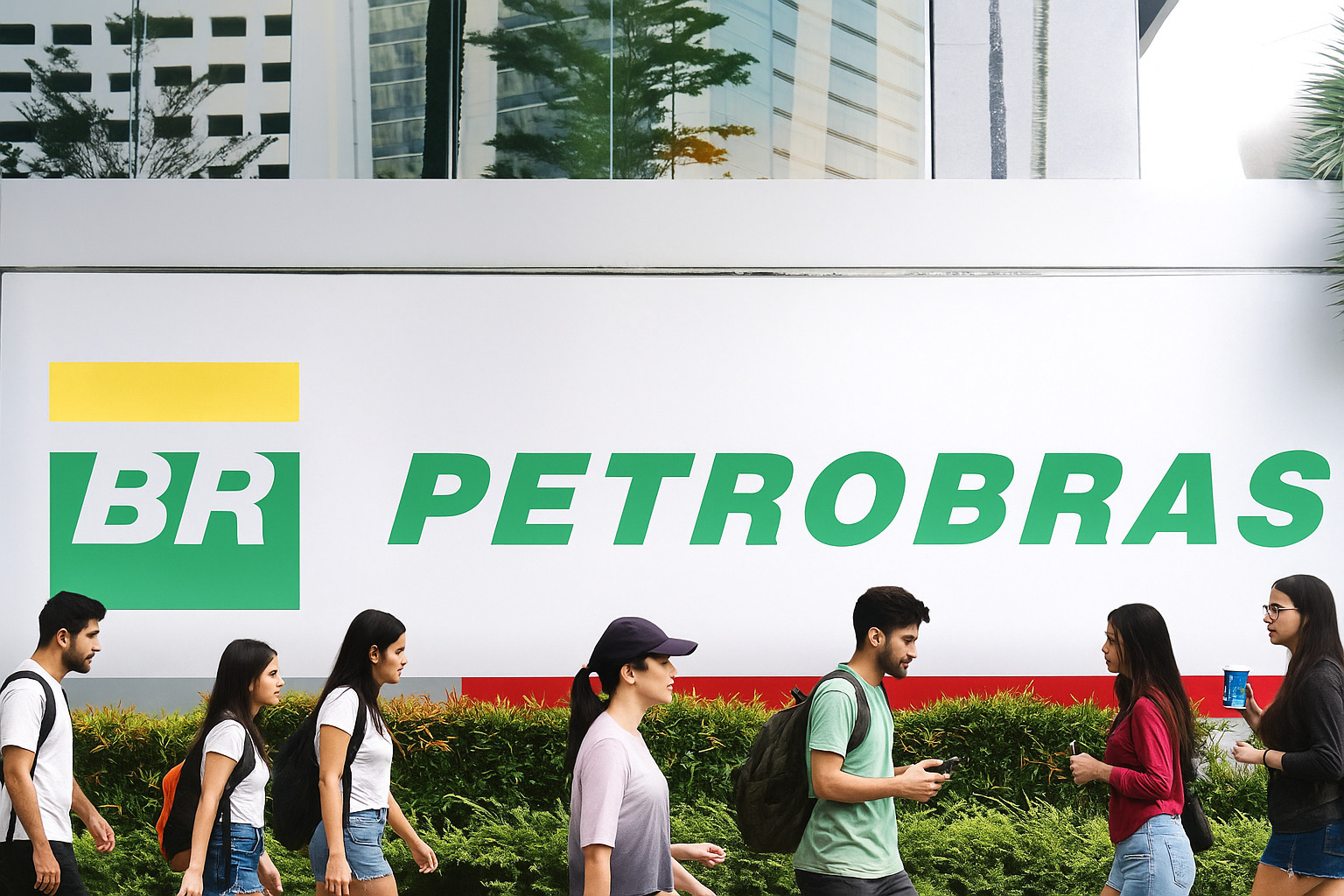
Petrobras Reduces Its Presence in Natural Gas Contracts, Opening Space for More Competition and Expanding Access to Fuel in Brazil.
The Petrobras, Brazil’s main energy company, announced that it will reduce its participation in natural gas contracts with distributors, going from 100% in 2021 to 69% by the end of 2024.
Thus, the measure signals a gradual transformation in the Brazilian gas market, which seeks greater competitiveness and decentralization of supply. Historically, Petrobras controlled almost all the marketing of this fuel, ensuring stability, but limiting the entry of new players in the sector.
Natural gas gained prominence in Brazil since the 1970s, especially as the country invested in the development of oil and gas exploration and transportation infrastructure.
-
Lula reveals a masterstroke by Petrobras to undo a deal made by Bolsonaro, which involves the return of an important refinery that currently produces less than half of what was expected and makes Brazil dependent on international diesel.
-
A study confirms that the natural gas sector will reduce greenhouse gas emissions in Brazil by 0.5% and accelerate the energy transition by 2026.

-
Petrobras implements a severe adjustment and confirms a 55% increase in the price of aviation kerosene with a proposal for installment payments for the companies.

-
The rise in oil prices could ensure an extra revenue of R$ 100 billion for the Federal Government, indicates a recent economic study.


However, for many years, gas distribution remained centralized. Consequently, the state-owned company built a network of pipelines connecting the main consumer centers, ensuring reliable supply but limiting competition.
Thus, natural gas contracts had long durations and generally bound large industrial consumers, who had bargaining power and their own infrastructure to receive the fuel.
In recent years, the scenario has begun to change. In fact, the Natural Gas Observatory’s survey shows significant growth in the number of authorized companies. From 2021 to 2024, the number of companies authorized to market natural gas increased by an average of 15% per year.
Therefore, this growth indicates that the country seeks to diversify supply, reduce costs, and expand access to gas for sectors that previously had difficulty negotiating directly with the state company.
Furthermore, the free market allows companies of various sizes to acquire gas without solely relying on traditional long-term contracts.
Despite these advances, the sector’s expansion still faces structural challenges. For example, many authorized companies do not operate fully due to logistical limitations, lack of experience, and regulatory barriers.
Thus, the market is still concentrated in the hands of large industrial consumers, who dominate long-term natural gas contracts.
Therefore, although Petrobras’s reduced participation opens space for new players, the market still retains concentrated and strategic characteristics.
Market Limitations and Regional Challenges
The price of natural gas also poses a relevant challenge in Brazil. According to studies, there are significant regional differences.
For example, in the Northeast, gas prices are about 20% lower than in the Southeast. This difference arises from more flexible local regulations, which broaden access and stimulate competition.
Therefore, states that allow migration to the free market with volumes starting from 10,000 cubic meters per day benefit small and medium-sized enterprises, increasing the number of consumers with access to natural gas contracts.
Conversely, states that require a high minimum consumption limit access to the market, preventing smaller suppliers from participating actively.
Thus, this situation highlights the need for public policies that encourage competitiveness and create equal opportunities in the sector, ensuring that Petrobras’s reduced participation benefits the entire market.
Moreover, these measures may stimulate private investments, contributing to the modernization of the sector.
International comparisons also highlight historical challenges in the Brazilian sector. In the United States, the competition in the natural gas market is intense, keeping prices significantly lower.
On the other hand, in Brazil, the lack of competition causes the industry to pay, on average, R$ 43.65 more per million BTUs compared to the U.S. This difference directly impacts the economy, increasing production costs and reducing industrial competitiveness.
In fact, in 2021, the impact reached R$ 2.48 billion in the so-called “Custo Brasil”.
Another essential point is that natural gas contracts secure supply for large consumers and define logistics and infrastructure maintenance rules.
Historically, these contracts protected both suppliers and buyers, ensuring predictability.
Consequently, Petrobras’s reduced participation opens space for new suppliers and competitive alternatives, strengthening diversification.
Importance of Long-Term Contracts
The natural gas infrastructure in Brazil still presents significant limitations. Although the pipeline network is extensive in some regions, it does not meet the entire demand of the country.
Additionally, the capacity of regasification terminals remains limited, particularly for the free market and new suppliers.
Therefore, expanding this infrastructure will allow natural gas contracts to reach small and medium-sized enterprises, promoting access expansion and stimulating the regional economy.
The new sector legislation represents an important strategic step. With clear and harmonized rules, Brazil can unlock the potential of the natural gas market.
Thus, the law should ease access for new suppliers to the existing infrastructure, ensure competitiveness, and reduce historical barriers.
This impacts prices for industries and, consequently, promotes the use of natural gas in homes and businesses, strengthening the national energy matrix.
Moreover, Petrobras’s reduced participation may also stimulate technological innovations. For instance, new suppliers may invest in more efficient logistics, measurement, and distribution solutions, reducing costs and making the market more dynamic.
Therefore, this change modernizes the natural gas industry in Brazil, bringing it closer to international standards of efficiency and competitiveness.
Prospects for the Brazilian Market
Petrobras’s reduced participation in natural gas contracts does not mean that the company is abandoning the sector.
In reality, it remains the main supplier but seeks to open space for the free market to strengthen.
Thus, the movement aligns with global trends of liberalizing energy markets, promoting competitiveness, innovation, and greater access to gas.
Historically, natural gas contracts in Brazil have always required significant investments in infrastructure and strategic planning.
Reducing Petrobras’s participation creates opportunities for private companies to offer innovative and technological solutions.
Thus, this change can reduce costs, expand supply, and stimulate economic growth in regions previously dependent on a few suppliers.
The opening of the market also contributes to sustainability. With more competition and access to alternative suppliers, the use of natural gas as a less polluting energy source expands, reducing carbon emissions and encouraging a cleaner energy matrix.
Therefore, natural gas ceases to be just an industrial input and takes on a central role in Brazil’s energy transition.
In summary, the decrease in Petrobras’s participation in natural gas contracts to 69% represents a turning point in the Brazilian market.
It addresses the need for diversification, market opening, and greater competitiveness, reflecting a historic transformation of the sector.
The advancement depends on investments in infrastructure, clear regulation, and effective participation of new suppliers.
Thus, Brazil can make its gas market more efficient, accessible, and aligned with best international practices, benefiting industrial, commercial, and residential consumers.
In the coming years, the combination of favorable legislation, infrastructure expansion, and the entry of new players will allow natural gas contracts to stop being concentrated and restricted to large companies, promoting a more competitive, sustainable, and innovative environment for the entire Brazilian economy.











Seja o primeiro a reagir!