





 English
  Francês
  Alemão
  Italiano
  Japonês
  Norueguês
  Portuguese
  Spanish
  2 min of reading


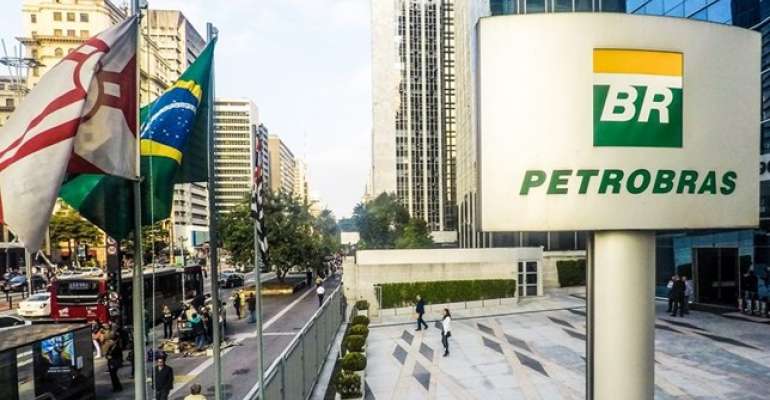
Petrobras Distribuidora Plans to Operate in Ten Areas to Attempt to Achieve Profitability Comparable to That Obtained by Private Sector Competitors
Petrobras Distribuidora could create a new company to enter the ethanol sector. Within the state-owned subsidiary, a working group is already operating that has defined ten areas for the company to regain profitability comparable to that of private sector competitors.
In addition to ethanol, another development is the entry into the fuel trading segment. BR Distribuidora would purchase them from different suppliers, including abroad, and could sell them even to competitors.
-
Government unlocks R$ 554 million for a highway that has been requested for decades and accelerates the duplication of BR.
-
Without bricks, without cement, and without endless construction: the cardboard house that is assembled in modules and can be moved.

-
Billions of barrels on the equatorial margin could lead Amapá to double its oil production in Brazil — the state aims to enter the route of companies in the Campos Basin, attract investments, and boost jobs and businesses in the oil and gas sector.
-
Without bricks, without cement, and without endless construction: the cardboard house that is assembled in modules and can be moved.

Furthermore, the distributor aims to expand the production capacity of its lubricants factory. The goal is to reach an additional 15 million liters per month, increasing from the current 27 million liters per month to 42 million liters in 2022.
As the foundation for this new line of activity, Petrobras’ distributor is analyzing the possibility of creating a company to operate in the ethanol segment. The working group outlining these new operational areas for the company consists of directors and managers.
Another area would be the creation of a proprietary payment system to allow for greater customer loyalty. According to the president of BR Distribuidora, Rafael Grisolia, the ten modernization measures are already underway.
Among the measures that the fuel distribution company must take are: cost cuts, efficiency gains, entry into new businesses, and exit from others.
One example of this change program is the alteration of the product pricing system. A segmented model by microregion will be adopted. The company will differentiate prices by customer, depending on location and volume consumed.
Additionally, convenience stores at BR Distribuidora gas stations will also need to be expanded. According to company executives, convenience is one of the pillars of the company’s growth.
Petrobras’ distributor suffers from the profitability gap compared to its main competitors in the private sector.
Even controlling the largest share of the petroleum derivatives market in Brazil, BR Distribuidora does not have the best profitability. Competitors like Raízen (owned by Shell and Cosan), or Ipiranga (from the Ultra group), show better financial results.
Ethanol Storage Tank Explodes at Plant in the Interior of São Paulo








Seja o primeiro a reagir!