





 English
  Francês
  Alemão
  Italiano
  Japonês
  Norueguês
  Portuguese
  Spanish
  3 min of reading


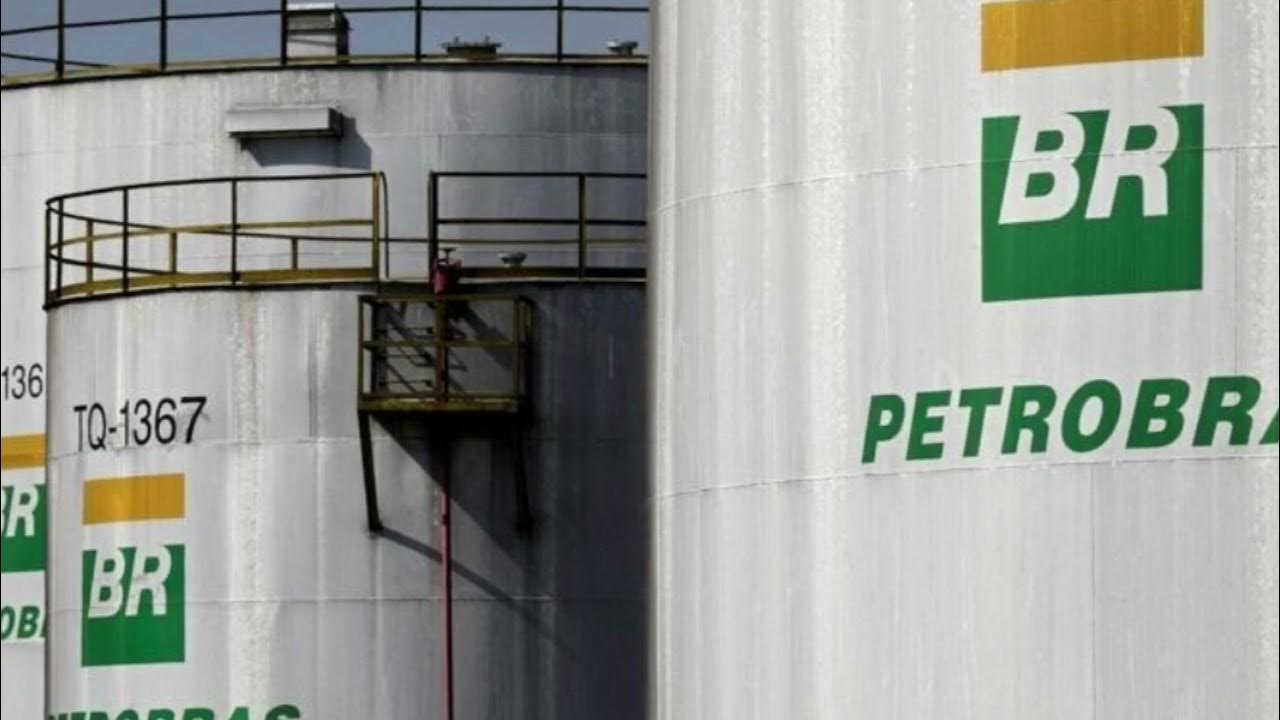
Since it was founded, Petrobras has been an energy company focused on oil production. However, like everywhere else in the world, there is a growing concern about reducing greenhouse gas emissions and energy transition.
In this context, the diversification of Petrobras’ product portfolio is crucial to maintaining the company’s competitiveness. To discuss the ESG (environmental, social, and governance) theme and the energy transition, the Brazilian Institute of Oil and Gas (IBP) held an event featuring researcher Maurício Tolmasquim, who took over as the Director of Energy Transition and Renewable Energies at Petrobras.
During the event, Tolmasquim emphasized the need for Petrobras to diversify its portfolio, increasing its focus on renewable energy sources beyond oil. This movement is a response to the energy transition, which is expected to lead to a decline in demand for oil, thus reducing its economic profitability.
According to Tolmasquim, it is inevitable that, in the long run, global demand for oil will decrease, and therefore, Petrobras needs to be prepared for this new reality by diversifying its activities and portfolio. He acknowledges that the company will not change its activities overnight, but it is essential for it to be among the companies that will sell the last barrels of oil and continue generating revenue.
-
Brazilian giant expands borders in the Southeast: Petrobras confirms new oil discovery in ultra-deep waters in the pre-salt of the Campos Basin.

-
Alert in the global energy market: Severe tropical cyclone hits the coast and disrupts gas production at major plants in Australia, threatening global supply.

-
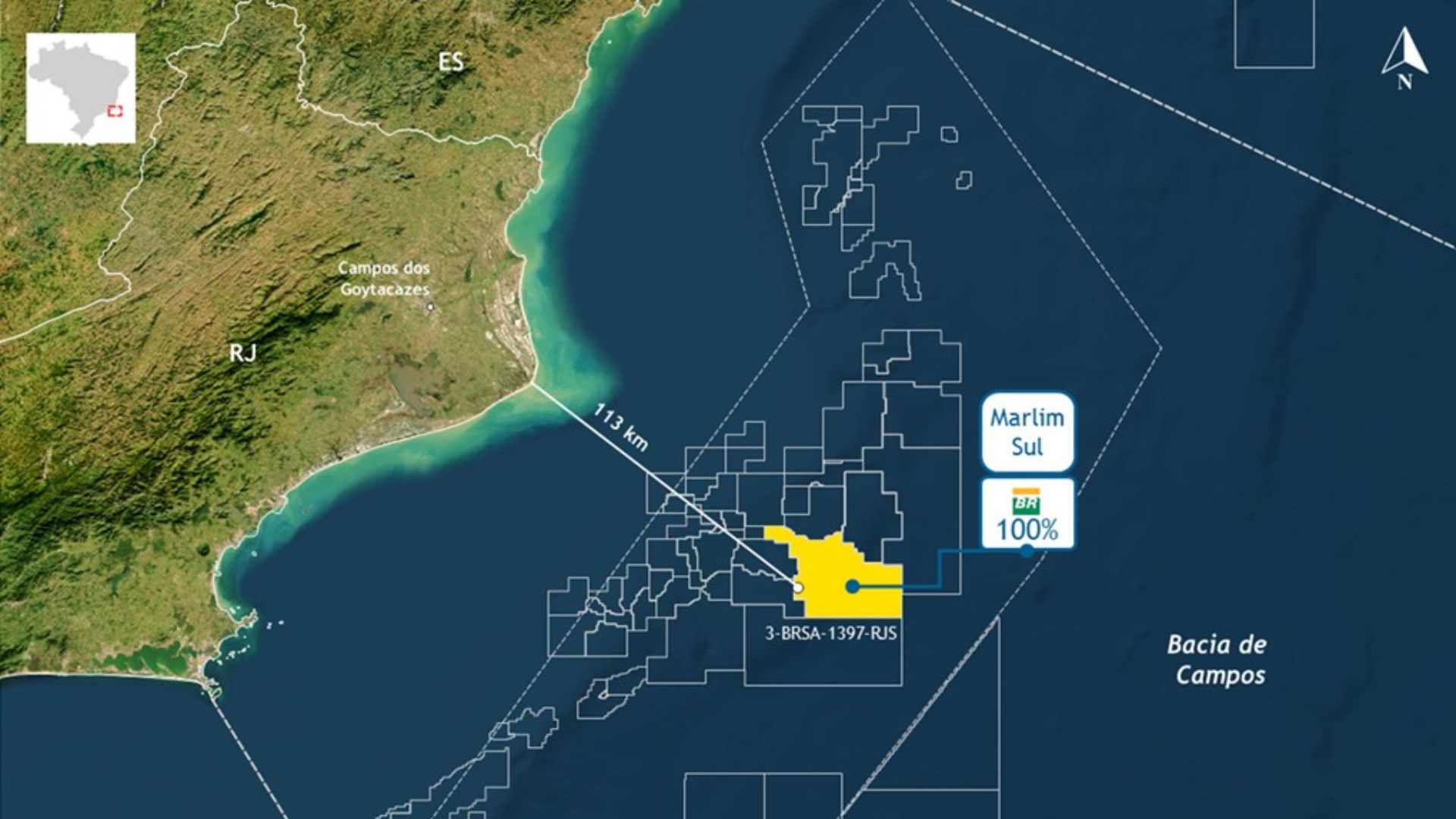
Petrobras finds high-quality oil in the pre-salt at 113 km from RJ and reignites expectations about strategic reserves in the Campos Basin.

-
Ocyan opens registrations for startups focused on innovation in the oil and gas sector and will select projects for Innovation Day with the support of Nexio.

Petrobras should leverage its current leadership position in high-quality, low-cost oil exploration and production to keep these activities ongoing, but also to invest in energy transition projects, which will attract investors and funders, facilitating access to loans.
Reduction of Scope 3 Emissions Is Necessary
Tolmasquim also highlighted that Petrobras is behind in reducing Scope 3 emissions – that is, emissions for which the company is indirectly responsible, namely those resulting from transportation or generated in the supply chain. However, the company is well ahead regarding Scope 1 and 2 emissions – which deal with direct emissions and emissions associated with electricity generation, respectively.
It is an important opportunity for Petrobras to position itself and lead strategic changes in the energy and fuel sectors, while combating climate change and seizing growth opportunities in this field.
Investments in Energy Transition
Investments in energy transition projects should be welcomed by Petrobras, as they represent an opportunity for the company to enhance its position as a reliable energy and fuel producer. These investments can also be an attractive way to draw in shareholders and funders, allowing the company to secure loans to finance its portfolio diversification.
Petrobras needs to seize the opportunity that comes with the “Energy Transition.” Tolmasquim provided a clear vision of the path forward and is ready to lead the company towards a business structure that better addresses the future of the planet’s energy needs.
The adaptation actions of Petrobras regarding the energy transition have been slow, but significant changes are on the way, such as the creation of the new Directorate of Energy Transition and Renewable Energies. This new directorate should lead the company into a successful future and position it as a leader in energy transition.
The diversification of the Petrobras product portfolio is crucial to maintaining the company’s competitiveness and ensuring a more sustainable future. In the era of energy transition, the company should leverage its skills and leadership in oil production to help secure a sustainable energy future for the planet.









Seja o primeiro a reagir!