





 Portuguese
  English
  Spanish
  4 min of reading
  0 comments


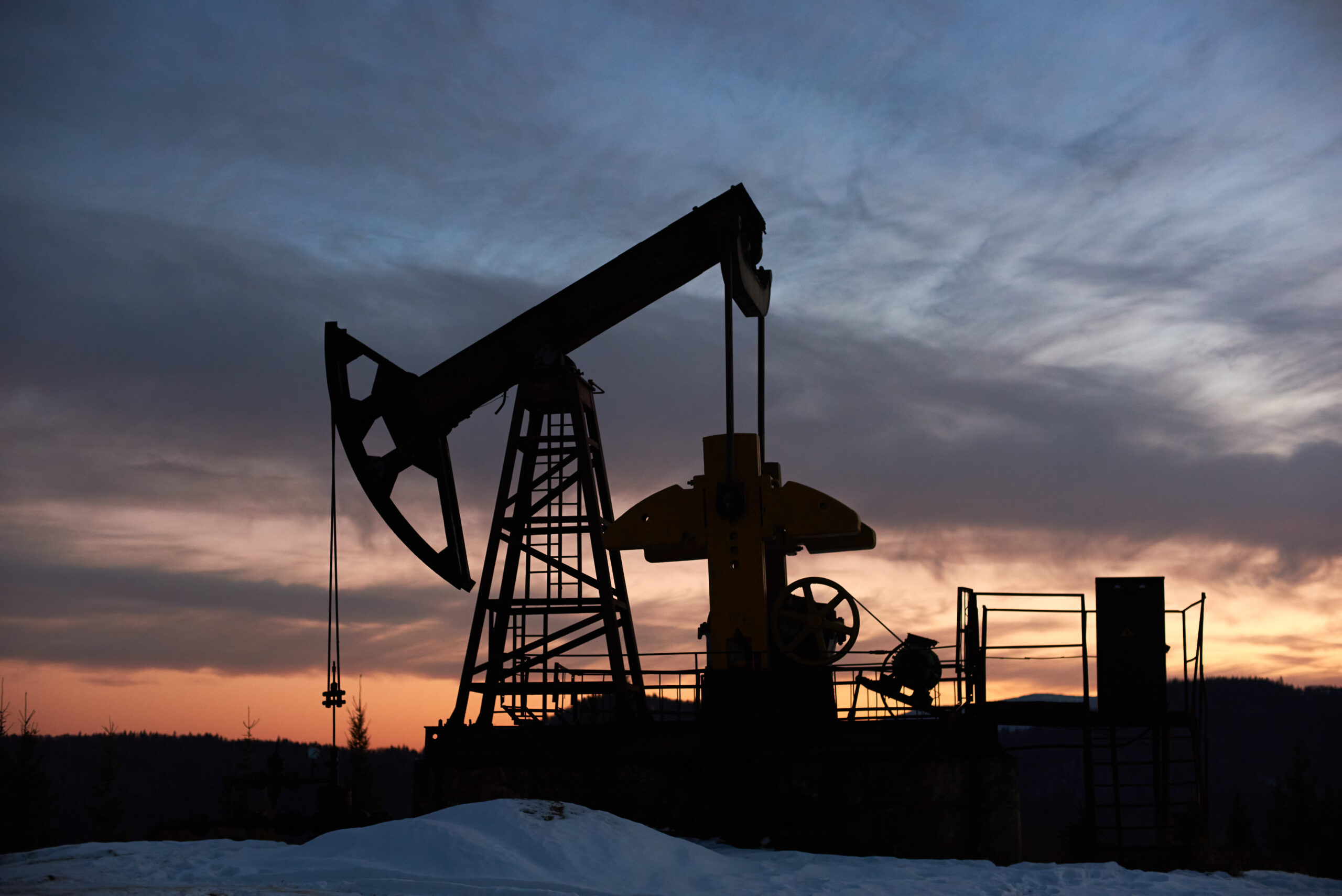
The Review of Petrobras’ Targets Shows How the Search for Sustainability Has Become an Essential Strategic Pillar, Especially in an International Scenario of Volatility.
The change occurs because, according to Infomoney, the previous plan considered oil at US$ 80, although the market has stabilized around US$ 60, which pressured projections, investments, and operational costs.
The History That Shapes Petrobras and the Search for Sustainability
Petrobras has grown over the past decades as a symbol of national development. However, since the 1970s, after the oil crisis that hit the entire world, Brazil has faced the need to balance productive expansion with fiscal responsibility and environmental protection.
This historical context has become even more relevant because, according to the federal government, state-owned enterprises need to maintain efficiency to ensure continuous investments, job creation, and energy autonomy.
-
Lula reveals a masterstroke by Petrobras to undo a deal made by Bolsonaro, which involves the return of an important refinery that currently produces less than half of what was expected and makes Brazil dependent on international diesel.
-
A study confirms that the natural gas sector will reduce greenhouse gas emissions in Brazil by 0.5% and accelerate the energy transition by 2026.

-
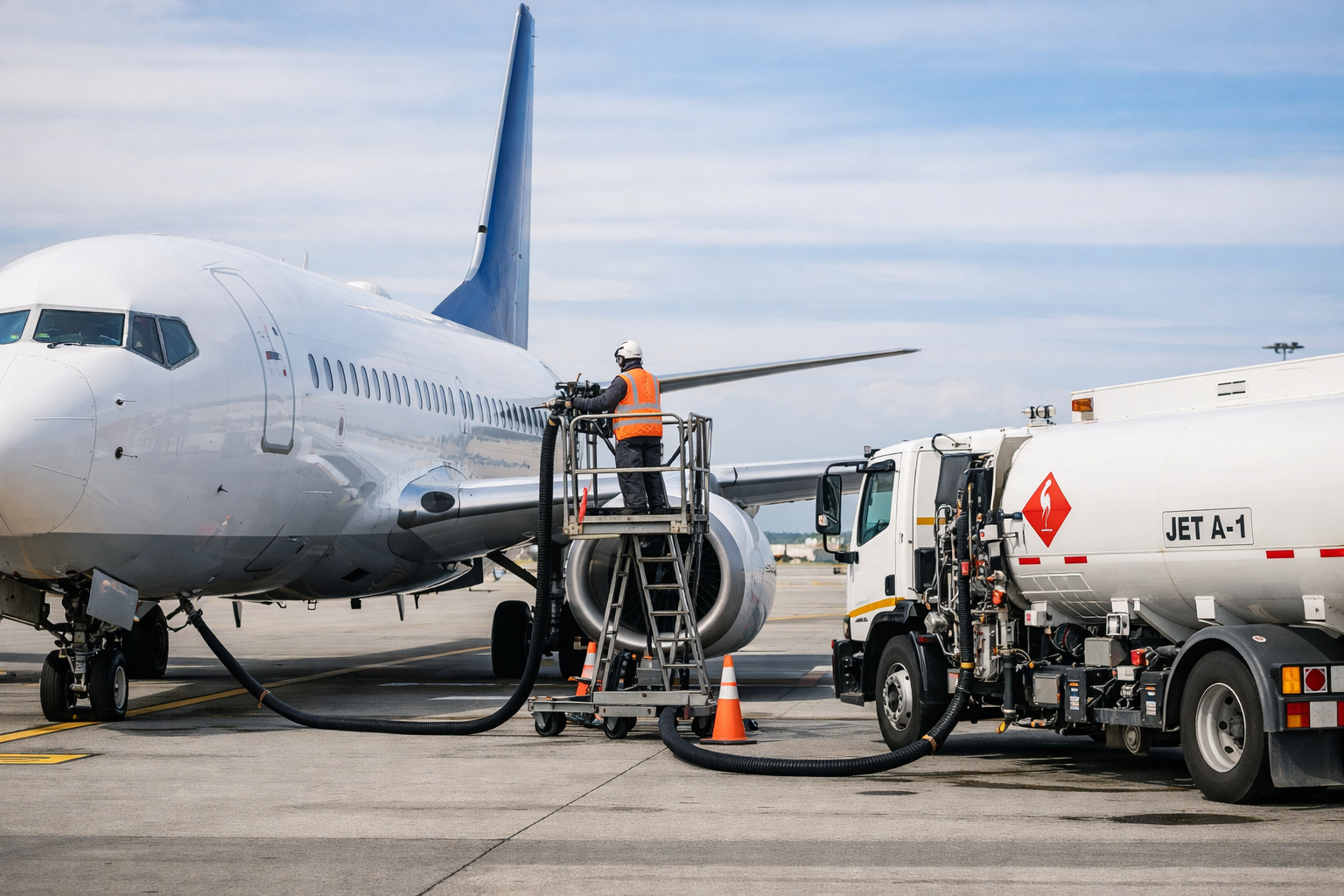
Petrobras implements a severe adjustment and confirms a 55% increase in the price of aviation kerosene with a proposal for installment payments for the companies.

-
The rise in oil prices could ensure an extra revenue of R$ 100 billion for the Federal Government, indicates a recent economic study.


In this scenario, the word sustainability has ceased to be merely linked to the environment and has come to also mean balance, continuity, and adaptability.
Although the market has changed, Petrobras seeks to maintain this alignment between economic viability and environmental responsibility, even in cycles of low prices.
The Pressure of Cheap Oil and Market Expectations
The drop in barrel prices, mentioned by Itaú BBA, has redefined the strategic planning. The bank consulted 49 institutional investors, who expressed concern about the direct impact on investments.
As a direct consequence, analysts highlight that the state-owned company needs to reassess projects, reduce waste, and reinforce commitments to energy efficiency.
Additionally, cheaper oil reduces profit margins and requires stricter risk assessment.
Therefore, the new plan prioritizes decisions that balance cost, production, and economic sustainability.
Sustainability as a Structure for Survival and Innovation
Throughout its journey, Petrobras has always faced challenges that required rapid adaptations. Although oil has been the basis of operations, technological advances have opened the door to a broader and more sustainable view of the energy sector.
For this reason, the state-owned company, according to the Petrobras.com website, invests in research involving energy transition, carbon capture, and extending the lifespan of fields.
By expanding these initiatives, the company reinforces that sustainability means not only preserving the environment but also ensuring business longevity.
This perspective also helps prepare Brazil for transformations that the International Energy Agency (IEA) has already predicted over the past decades: the world is migrating, albeit slowly, to cleaner sources.
Production, Costs, and the Balance that Ensures Continuity
When considering oil at US$ 60, the budget needs to be adjusted. This forces Petrobras to review targets that were previously more aggressive.
Still, the company tries to avoid deep cuts because maintaining production is essential for the country.
According to the Ministry of Mines and Energy, Petrobras plays a fundamental role in national energy security. Therefore, investment decisions directly impact the economy.
However, even in the face of a challenging scenario, there is room to balance expansion and sustainability.
This is because the company has a track record of innovation in deep waters — a technology that has placed Brazil among the world’s largest producers.
With that, Petrobras believes that maintaining strategic projects is essential to preserve international competitiveness.
The Energy Transition and Brazil’s Historic Opportunity
In recent years, the energy transition has gained momentum in the global debate. And Brazil, due to its vast capacity for clean energy, appears as a natural protagonist in this process.
According to the National Electric Energy Agency (Aneel) website, about 83% of Brazilian electricity already comes from renewable sources.
This competitive advantage can bring the country closer to sustainable and economic models, especially when companies like Petrobras adopt measures to reduce emissions and diversify their operations.
Furthermore, Brazil’s historical reliance on hydropower and, more recently, investments in wind and solar energy shows that sustainability can also be a growth driver.
By reviewing its plan, Petrobras does not ignore this global movement and seeks to align its decisions with new environmental and social demands.
The Investors’ Perspective and the Importance of Economic Sustainability
The Itaú BBA survey shows that investors are aware of Petrobras’ ability to maintain sustainable profitability even in adverse scenarios.
They expect the 2026-2030 plan to clarify how the company intends to keep a healthy cash flow without compromising future projects.
Therefore, economic sustainability is treated as a goal as important as the energy transition.
This balance should appear not only in the numbers but also in the historical, social, and environmental justifications that shape strategies.
By reinforcing that sustainability guarantees the future, analysts point out that Petrobras needs to walk alongside the world and not against it.
How the Plan Can Bring Stability Amid Uncertainties
Even though the international scenario is unpredictable, Petrobras’ strategic plan seeks to rely on solid fundamentals.
For this reason, the company prioritizes financial stability, environmental responsibility, and operational efficiency.
This combination reinforces that sustainability, in all its dimensions, is no longer an option.
It is a historical and social commitment that has accompanied the state-owned company since its founding and is becoming, year after year, even more urgent.
Petrobras continues to track global trends, adjusting targets and preparing new solutions. Thus, the company seeks to ensure that its trajectory remains connected to Brazil’s needs and the world’s transformations.






Seja o primeiro a reagir!