





 Portuguese
  English
  Spanish
  3 min of reading
  0 comments



Petrobras, The Brazilian State-Owned Oil Giant, Traces Its Journey From The Discovery Of ‘Black Gold’ To Reaching A Market Value Exceeding 500 Billion Reais, Symbolizing The Struggle For National Sovereignty And Economic Development In The Face Of Global And Internal Challenges.
The story of Petrobras, the Brazilian oil giant, is a saga intertwined with Brazil’s own history, especially after World War II. During that period, the United States emerged as the most prosperous nation, exporting its culture and establishing consumption standards based on high energy demand, influencing countries around the world, including Brazil.
Oil, the “commodity of commodities,” became central to global economic development, and its production quadrupled in the 1970s. In Brazil, the quest for oil began to gain momentum in the early 20th century, with heated debates about the existence of significant reserves in the country. Figures like Monteiro Lobato, an advocate for Brazilian oil, influenced public discussion, while international interests were already eyeing Brazil’s potential.
First Oil Discovery in Brazil


In 1939, Brazil celebrated the discovery of its first oil well, marking the beginning of a new chapter in its economic history. However, the question of who should exploit these riches remained controversial, dividing opinions between nationalists, who advocated state control to ensure national sovereignty, and cosmopolitans, who saw advantages in exploration by multinational companies.
-
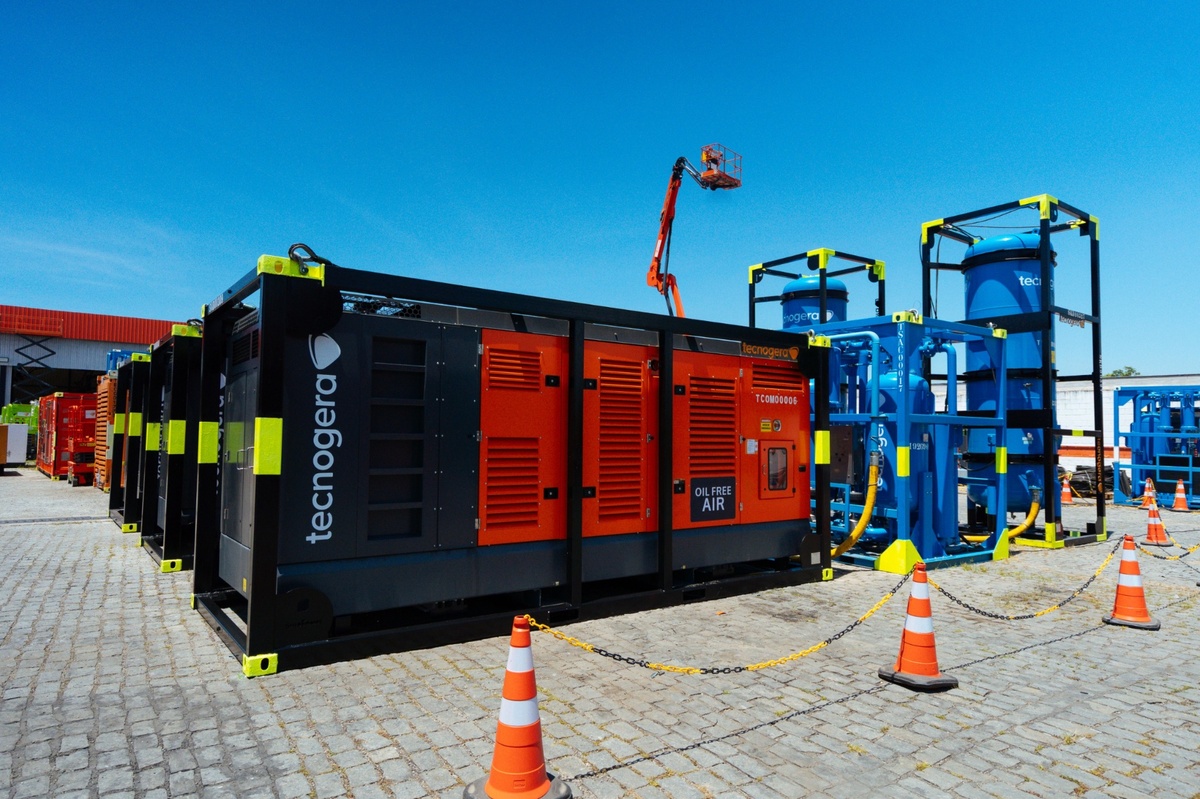
Offshore industrial demand in Macaé skyrockets with the recovery of oil and gas and could grow by up to 396% by 2026 in the Campos Basin.
-
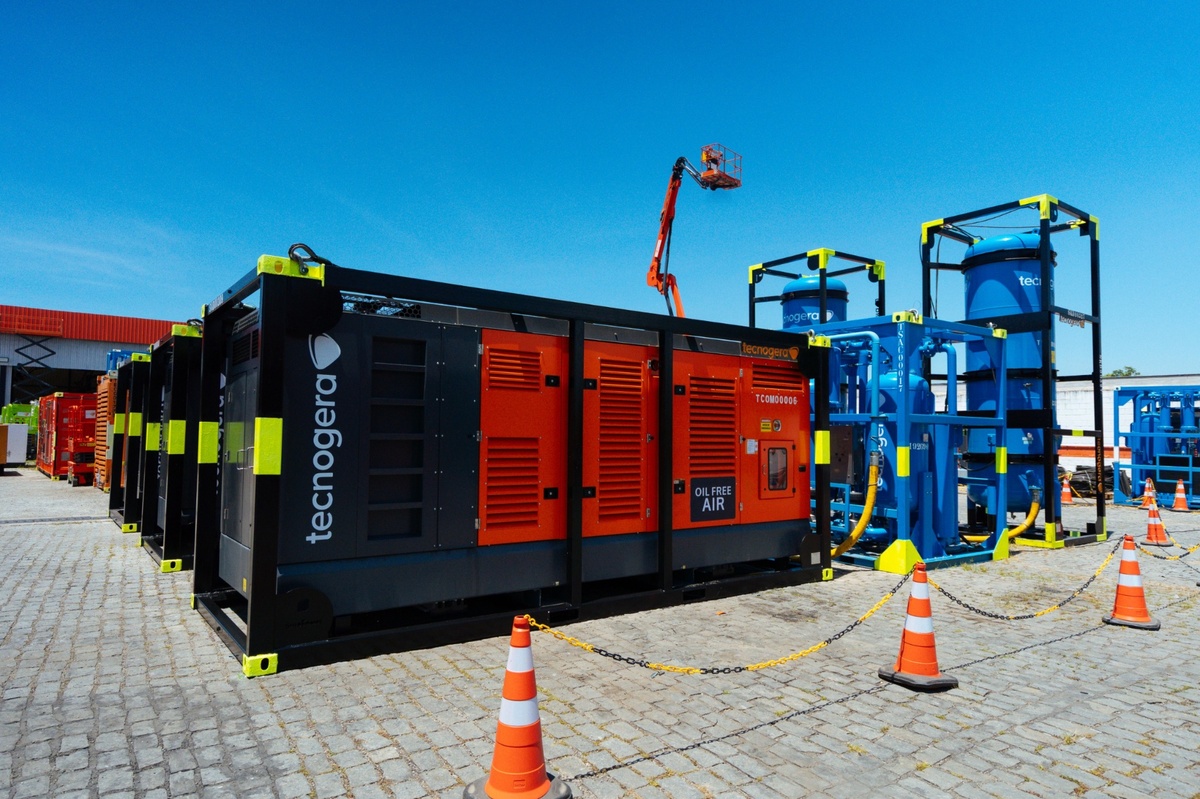
Offshore industrial demand in Macaé surges with the recovery of oil and gas and could grow by up to 396% by 2026 in the Campos Basin.
-
Brazilian giant expands borders in the Southeast: Petrobras confirms new oil discovery in ultra-deep waters in the pre-salt of the Campos Basin.

-
Alert in the global energy market: Severe tropical cyclone hits the coast and disrupts gas production at major plants in Australia, threatening global supply.


Petrobras: The Oil Is Ours
The campaign “The Oil Is Ours,” led by nationalists, culminated in the creation of Petrobras in 1953, establishing a state monopoly on the exploration, production, and refining of oil in Brazil. This victory for nationalism defined Petrobras’ trajectory and its strategic importance for the economy and national sovereignty.
Over the decades, Petrobras faced challenges and exceeded expectations, advancing from land exploration to offshore, and then to the discovery and pre-salt exploration, repeatedly proving its technical and operational capability. Contrary to critics’ predictions, the company established itself as a leader in deep-water exploration technology.
End of Monopoly in 1997
However, Petrobras’ history is also marked by controversies. The end of the monopoly in 1997, under President Fernando Henrique Cardoso, opened the company to international competition, a move viewed by some as necessary for modernization and by others as a threat to national autonomy.
Despite economic challenges, Petrobras remained resilient, continuing to be a central player in Brazil’s energy matrix. The story of Petrobras is not just about oil, but about the struggle for sovereignty, development, and Brazil’s energy future.
Petrobras Reaches Its Highest Market Value In History: R$ 552 Billion
Petrobras achieved an impressive milestone in 2024, recording the highest market value in its history: R$ 552 billion, according to data from the closing of the São Paulo Stock Exchange. This historic peak in market value is attributed to the rebound and momentum in investments under the new management, led by Jean Paul Prates, president of Petrobras.
Sérgio Leite, CFO and Investor Relations Director of Petrobras, acknowledged the collective effort of oil workers and company collaborators as key to this success. He emphasized that the record stock appreciation symbolizes Petrobras’ ongoing commitment to generating value for its shareholders, customers, and society, while maintaining its promise to provide energy safely, responsibly, and sustainably.









Seja o primeiro a reagir!