






 Portuguese
  Spanish
  3 min of reading
  1 comment


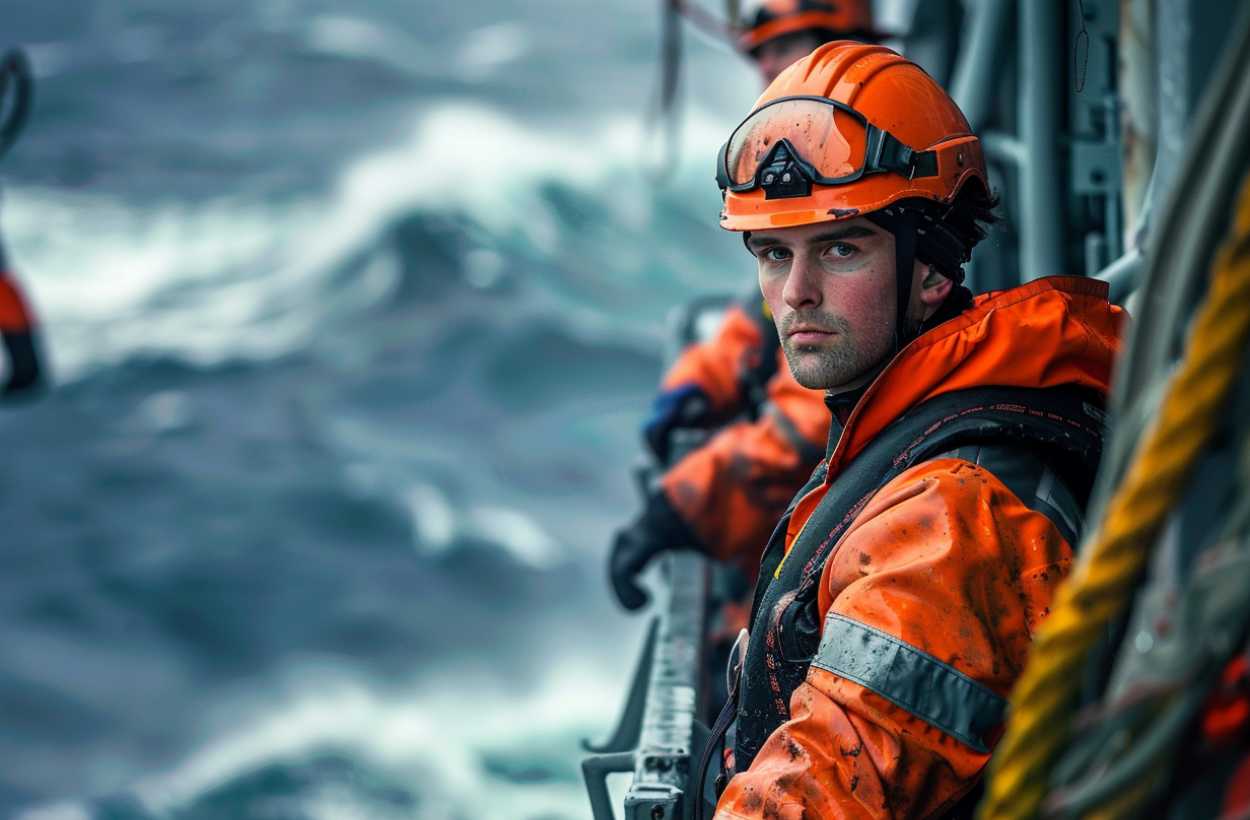


Salaries for Those Working Offshore Vary Significantly, Influenced by Education and Experience, with Benefits Including Health Insurance and Private Pension Plans.
Those working offshore, especially in offshore roles, secure a diverse salary structure. Compensation varies according to educational level and professional experience. Positions requiring only a high school diploma, such as that of a cook, offer salaries that can start from R$ 1200 to R$ 1800, while professionals with over five years of experience can earn higher amounts.
The complexity of the roles determines the salaries. Rope access painters, for example, can earn between R$ 1800 and R$ 2,200, reflecting the specialization required. In the technical spectrum, salaries also diversify: a trainee technician at the beginning of an offshore career may earn from R$ 3,000 to R$ 3,200, while technicians with previous onshore experience can reach up to R$ 5,300.
Multinational Companies Offer Better Salaries for Those Working Offshore

Multinational companies tend to offer higher salaries, with experienced technicians potentially earning between R$ 5,500 and R$ 6,000. In addition to base salaries, the industry offers benefits such as health and dental plans, food allowances, and private pensions, enhancing the sector’s attractiveness.
-
Petrobras is expected to complete the drilling of the Morpho well in the Foz do Amazonas in August 2026, the first well in the Equatorial Margin, an oil frontier that the ANP estimates at more than 30 billion barrels and could redraw the map of Brazil.

-
Oil returns to the center of concerns with tension between the US and Iran

-
Internship vacancies in 2026: New selection process by ArcelorMittal Tubarão offers scholarships of up to R$ 1,100 for interns and reinforces investments in talent development for the industry, connecting education, technology, and professional development on a large scale.

-
IEA reduces forecast for global oil demand in 2026 after impacts of the Middle East crisis


Fluency in English can influence earnings, especially in international companies, where the demand for bilingual professionals is greater. For higher-level positions, such as engineers, the base salary starts at R$ 10,000, with the possibility of additional pay for offshore assignments and performance bonuses.
Offshore Career Is One of the Best for Growth
The salary landscape in offshore work is dynamic, dependent on various factors, including level of education, experience, and the hiring company. Interested professionals should consider both compensation and benefits when evaluating opportunities in this market.
In the offshore sector, salary variability extends beyond education and experience, being influenced by the nature of the role and the type of employer. For example, a field operator in a national company can earn between R$ 1800 and R$ 3,000, while in multinationals, the salary range tends to be higher.
Career progression in the offshore environment directly reflects on salaries. Workers starting in basic roles can advance to supervisory or specialized technician positions, achieving significantly higher salaries. Experience in the sector is a key factor, with long-term professionals securing leadership roles and earnings that can exceed R$ 25,000.
Additional benefits are a significant attraction in the offshore industry. Many companies offer performance bonuses, additional pay for offshore assignments, and overtime, as well as benefits like health plans and gym memberships. Private pension plans are a highlighted benefit, with some companies matching employees’ contributions, boosting savings for the future.
What Are the Offshore Job Openings for Those Who Want to Work Offshore?
Offshore job openings encompass a variety of roles, reflecting the complexity and diversity of operations conducted on offshore platforms and specialized vessels. Here are some of the main roles available in the offshore sector:
- Offshore Production Operator: responsible for operating and monitoring oil and gas production systems on the platforms.
- Petroleum Engineer: focuses on the development, exploration, and production of hydrocarbon reservoirs.
- Offshore Mechanical Technician: in charge of maintenance and repair of mechanical equipment at the facilities.
- Offshore Instrumentation Technician: responsible for the maintenance and calibration of control and measurement instruments.
- Occupational Safety Engineer: ensures the implementation of safety, health, and environmental standards and procedures.
- Deckhand (Able Seaman): involved in deck operations, such as cargo handling and maintaining the exterior of the vessel.
- Platform Supervisor (OIM – Offshore Installation Manager): responsible for managing the platform, including operations, safety, and personnel.
- Cook: works in hospitality and general services, such as cleaning and food preparation.
- ROV Pilot (Remotely Operated Vehicle): operates underwater equipment for inspection, maintenance, and repair of underwater structures.
- Offshore Geologist: specialized in analyzing geological samples to assist in oil and gas exploration.
- Offshore Welder: performs welding work on the structures and equipment of the installation.
- Offshore Project Manager: coordinates projects from planning to execution, ensuring that objectives are met.
Recently, several offshore job openings for those working offshore were announced, SEE AT THIS LINK.






Tenho o ecino médio completo gostaria muito de trabalhar minha idade é 39 anos meu número de telefone é 971099719