





 Portuguese
  English
  Spanish
  3 min of reading
  0 comments


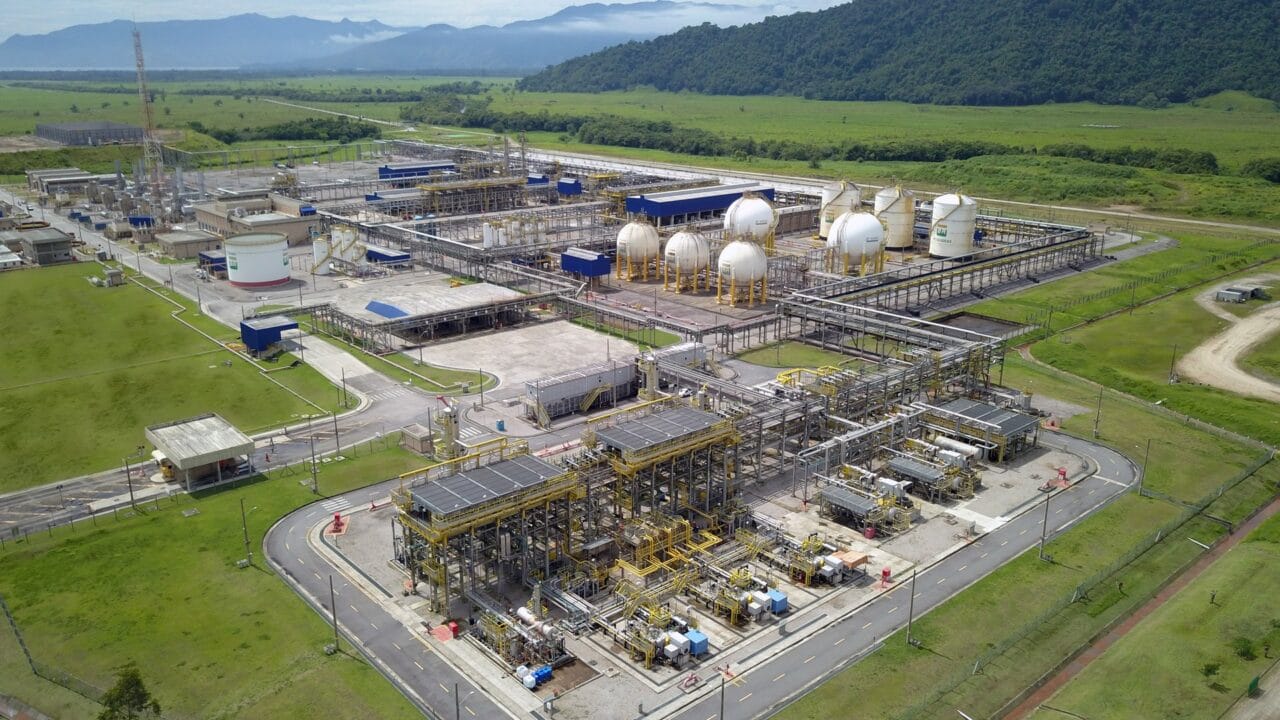
In 2023, Annual LPG Production Reached 697,865 M³, Surpassing the 2022 Record. This Is Equivalent to Over 27 Million 13 Kg Cylinders.
The Gas Treatment Unit of Petrobras in Caraguatatuba – UTGCA, located on the northern coast of São Paulo, achieved a historical record in 2023, with a record annual LPG production (liquefied petroleum gas, the cooking gas), reaching 697,865 m³ (361,110 tons). This number represents a new annual record for the unit and demonstrates its exceptional performance throughout the year.
This historical milestone closes a year of good results for the unit. In July, the monthly production also surpassed the previous record, reaching 72,442 m³ (37,446 tons). Previously, the previous record was 36,409 tons, recorded in October 2022. Additionally, in July, UTGCA achieved the highest historical daily processing rate in the pre-salt layer, reaching 73%. These results demonstrate UTGCA’s remarkable ability to surpass its own performance.
Annual Production Record at the Gas Treatment Unit
A historical record was achieved at the Monteiro Lobato Gas Treatment Unit (UTGCA) of Petrobras. This record is due to better utilization of longer chain hydrocarbon streams. In other words, this means that the unit received gas more suitable for forming LPG and also worked with a more optimized adjustment for the formation of this product, explained Wagner Felicio, the executive manager of Petrobras’ Gas Processing area.
-
The rise in oil prices could ensure an extra revenue of R$ 100 billion for the Federal Government, indicates a recent economic study.

-
Naturgy begins an investment of R$ 1.6 million to expand the gas network in Niterói and benefit thousands of new residences and businesses.
-
A major turn in the Justice system suspends tax increases and directly impacts oil and gas companies in Brazil by affecting costs, contracts, and financial planning, leaving uncertain what could happen to the sector if these costs had increased.

-
Brava Energia begins drilling in Papa-Terra and Atlanta and could change the game by reducing costs in oil while increasing production and strengthening competitiveness in the offshore market.
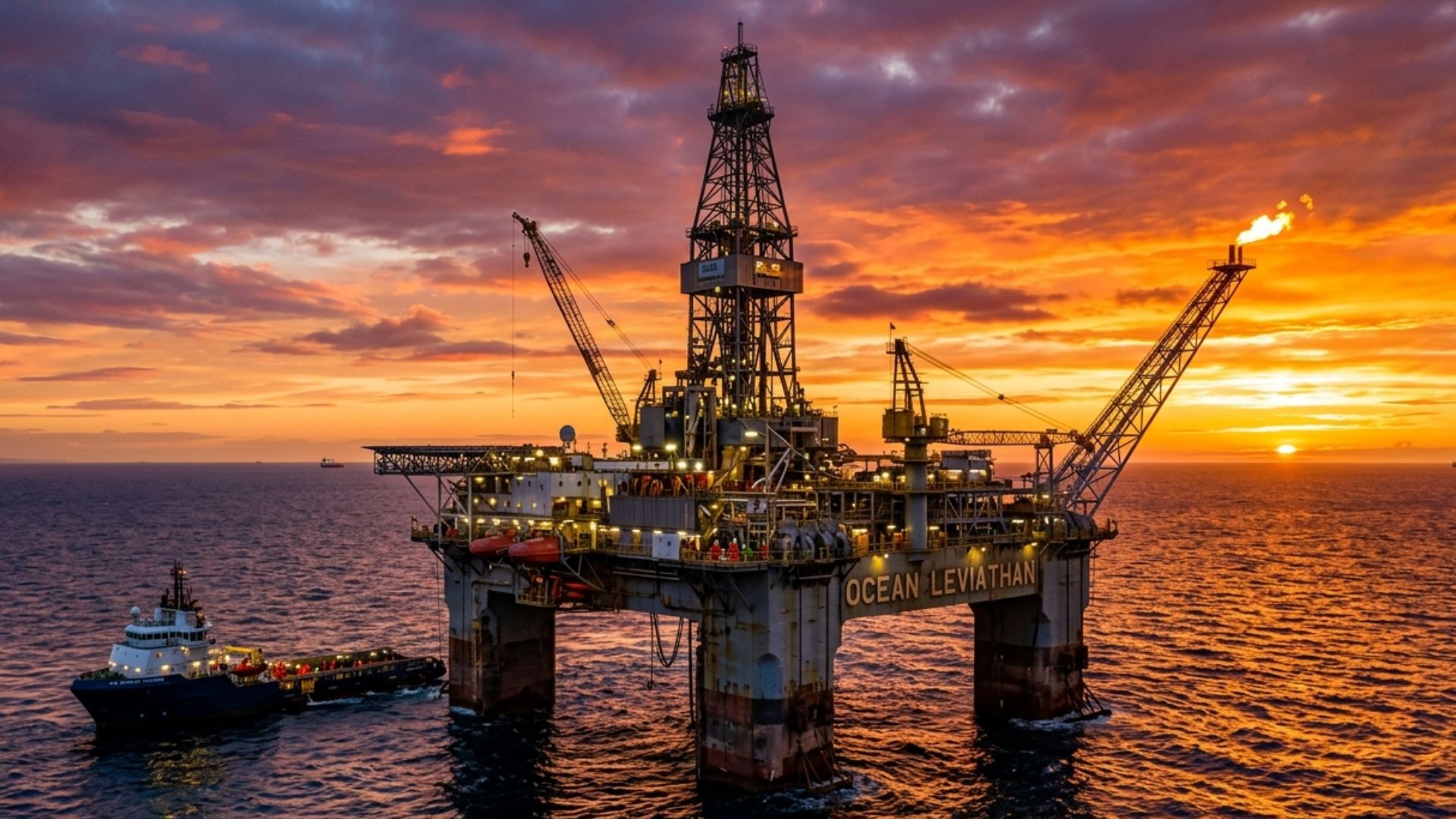

The processing units receive gas from offshore platforms, both from the Pre-Salt and Post-Salt, through pipelines referred to as evacuation routes, which connect production fields at sea to the units on land. After treatment at the processing unit, this gas is separated into three products: natural gas, the lighter portion of the mixture; LPG (cylinder gas); and C5+, the heavier portion, being an intermediate product whose processing is completed at the Henrique Lage Refinery – Revap, in São José dos Campos (SP).
The director of Industrial Processes and Products at Petrobras, William França, celebrates the gains. ‘The increase in the proportion of pre-salt gas in the unit’s processing has brought important benefits to production. The improvement in the utilization of our processing assets decisively contributes to Petrobras’ oil and gas production and to a greater supply to the market,’ França stated.
Regaining the Record in Natural Gas Production
The Monteiro Lobato Gas Treatment Unit (UTGCA) is located in the municipality of Caraguatatuba, São Paulo. The UTGCA has the capacity to process up to 20 million m³ of natural gas daily, originating from various platforms, interconnected to the Mexilhão Platform (PMXL-1), located about 140 kilometers off the coast. From there, the product reaches UTGCA via a gas pipeline. After processing at UTGCA, another gas pipeline transports the natural gas to the city of Taubaté (SP), from where it is fed into Petrobras’ gas pipeline network for distribution. LPG and C5+ are sent to São José dos Campos via the Caraguatatuba-Vale do Paraíba pipelines (Ocvap I and Ocvap II, respectively), from where they are distributed to the market.
Source: Agência Petrobrás









Seja o primeiro a reagir!