





 Portuguese
  English
  Spanish
  3 min of reading


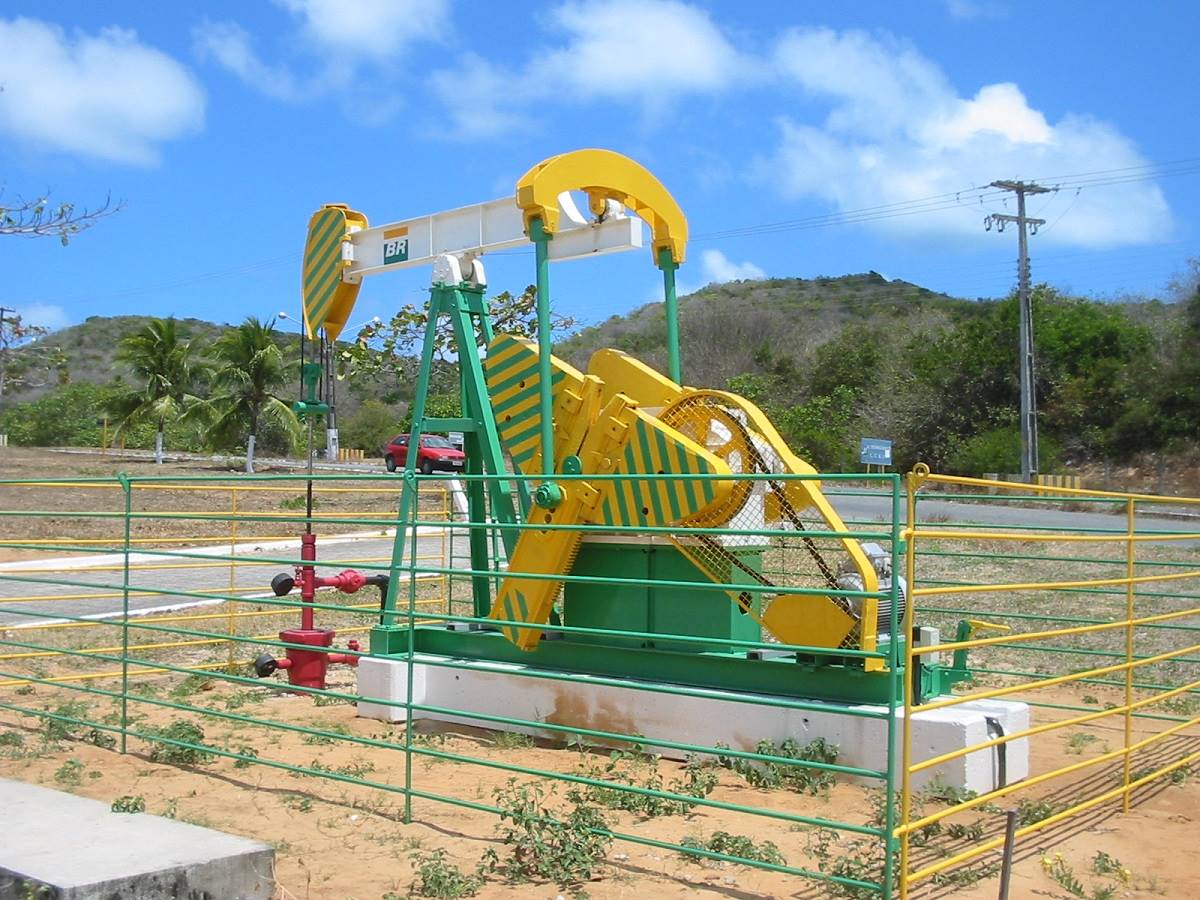
With Low Exploration and Production Activity in the Area, Petrobras Has Been Trying to Sell Mature Fields in Recôncavo for Two Years, but Has Encountered Difficulties
Petrobras’ divestment program, despite being underway, has not been that easy in some regions, such as Recôncavo, where after two years promoting the sale of areas, Petrobras has still not disposed of assets in the basin.
On one hand, there is low interest from interested parties; on the other hand, the oil company continues with its exploration and production activities significantly reduced, showing a certain lack of interest as well.
In 2018, the company drilled 21 wells in the basin, with only one of them being exploratory and only two indications recorded, with no declaration of commerciality of any area.
In 2017, Petrobras had already disclosed its divestment plan in the sector and drilled 11 wells, with only three being exploratory, five indications recorded, and a total of four blocks declared commercial, which originated the fields of Canário da Terra, Canário da Terra Sul, Caburé Leste, and Mãe-da-Lua.
-
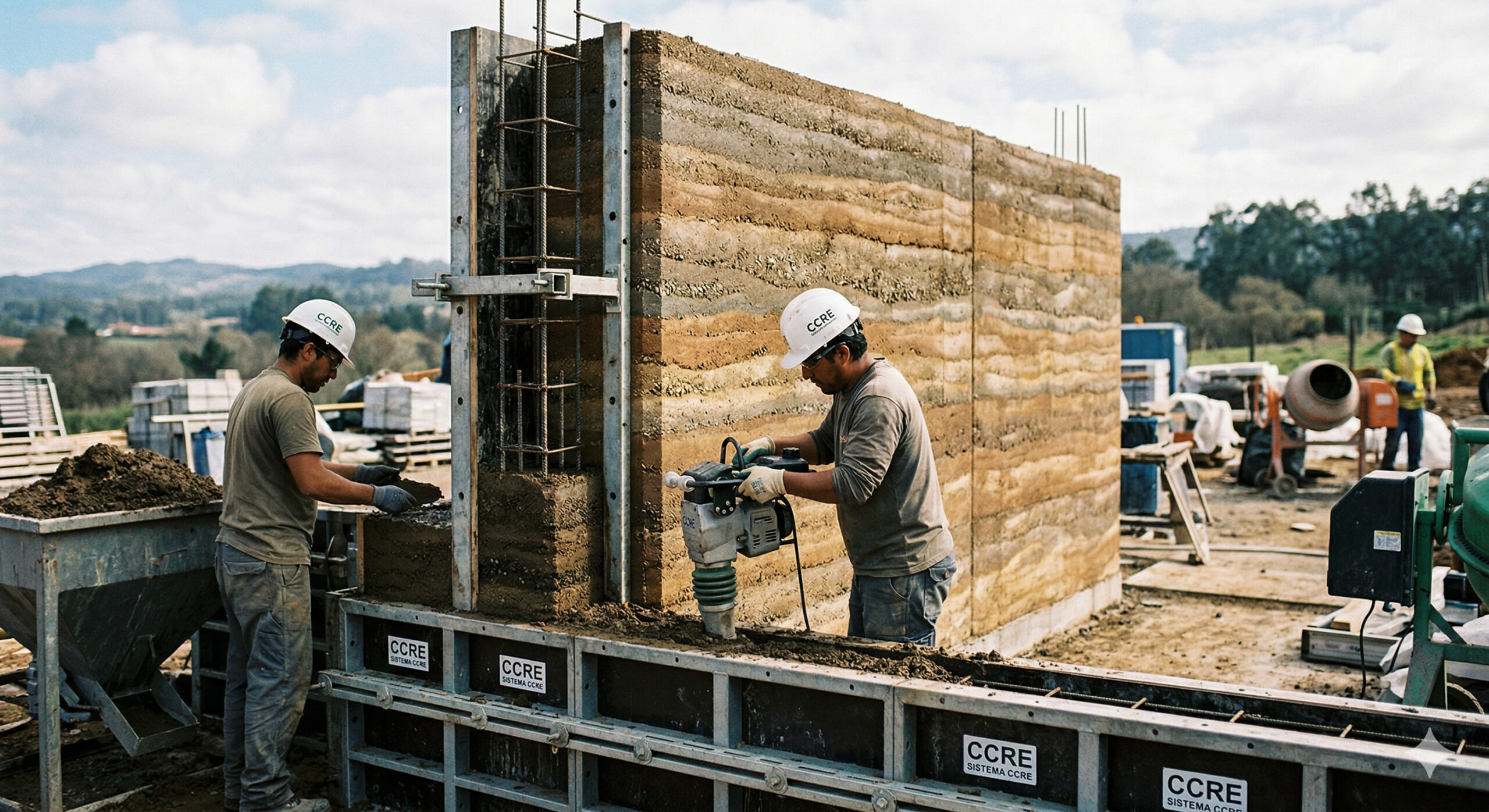
Without cement, without steel, and using only earth and recycled cardboard, engineers have created a construction system that drastically reduces carbon emissions and could change the way houses are built around the world.
-
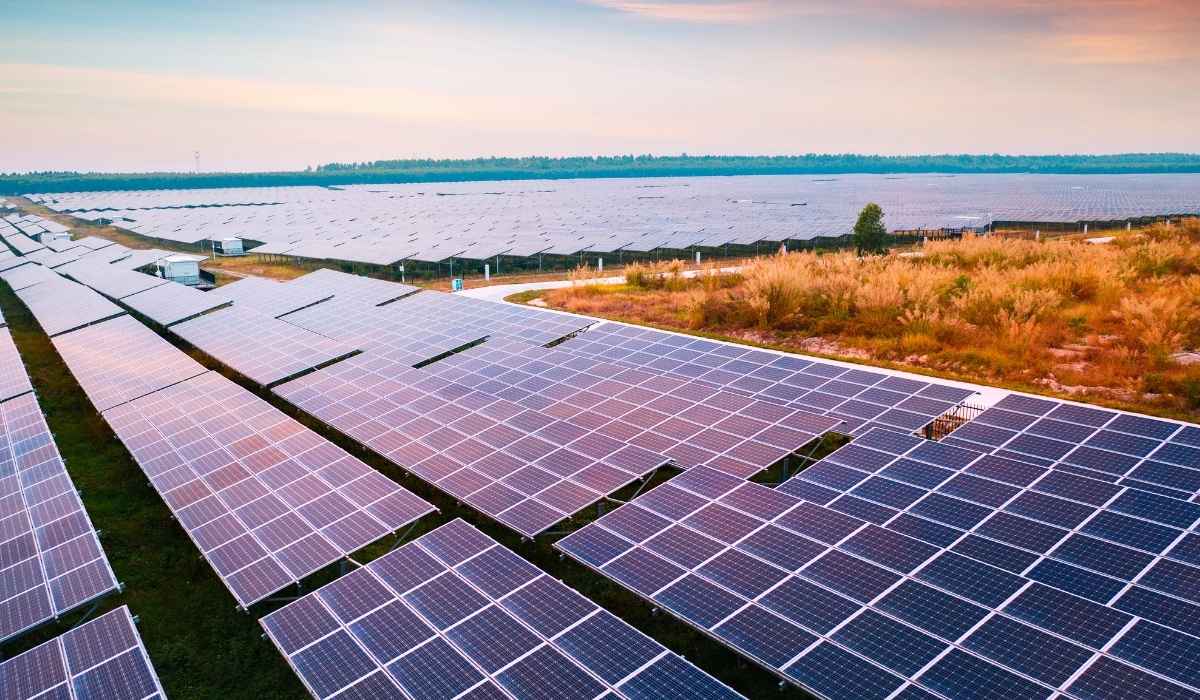
Alert in the electric sector: excess solar energy triggers overload in the Brazilian electrical system, forces the operator to shut down power plants, and exposes an unexpected risk that could affect stability and energy costs.

-
Russia spent $5 billion and 28 years modernizing a nuclear warship that had been inactive since 1997. The Admiral Nakhimov returned to the sea in August 2025 as the heaviest surface combat ship in the world, with 176 missile launchers, including hypersonic Zircon missiles.

-
James Webb finds 300 galaxies with mysterious scars, and this discovery may show that the universe was born much more violently than astronomers had imagined.


This year, until the end of April, the Brazilian state-owned company had not drilled any new exploratory well, but recorded two oil indications in the block REC-T-80 and in the Jandaia Sul field.
These numbers contrast significantly with, for example, those from 2012, when the company drilled 27 exploratory wells in the basin and recorded 15 new indications, along with a new declaration of commerciality.
To get an idea of the importance of Recôncavo for Petrobras, it is currently one of the basins with the highest number of small and medium companies, counting 22 operating companies and 39 different concessionaires in its 166 granted areas, under exploration or production.
The Brazilian oil company’s leadership in the region is considerable, as it operates 93 areas in the basin, while the second place is occupied by the Canadian Alvopetro, which operates in only 15 areas.
After Petrobras, the other Brazilian company that holds the most areas in the region is Imetame, which has seven concessions.
Production Decline
Since Petrobras Started Its Divestment Program, production in the Recôncavo basin has dropped almost 10%, from 45,400 boed to 41,400 boed, according to ANP data.
If we compare current production with production in 2010, the decline becomes even more evident; in September of that year, 64,000 boed were extracted, including 44,000 bopd and 3.2 million m³ of natural gas.
According to Marcelo Magalhães, president of the Brazilian Association of Independent Producers (ABPIP), “The issue for Petrobras is how to ensure that the divestment moves forward. It needs to make the sales process quicker and more agile. The ANP, for example, could act as an intermediary.”
To try to find a solution, the ANP and small and medium producers interested in the areas are discussing alternatives to ensure that this situation does not hinder Petrobras’ divestment plan.








Seja o primeiro a reagir!