





 Portuguese
  English
  Spanish
  3 min of reading


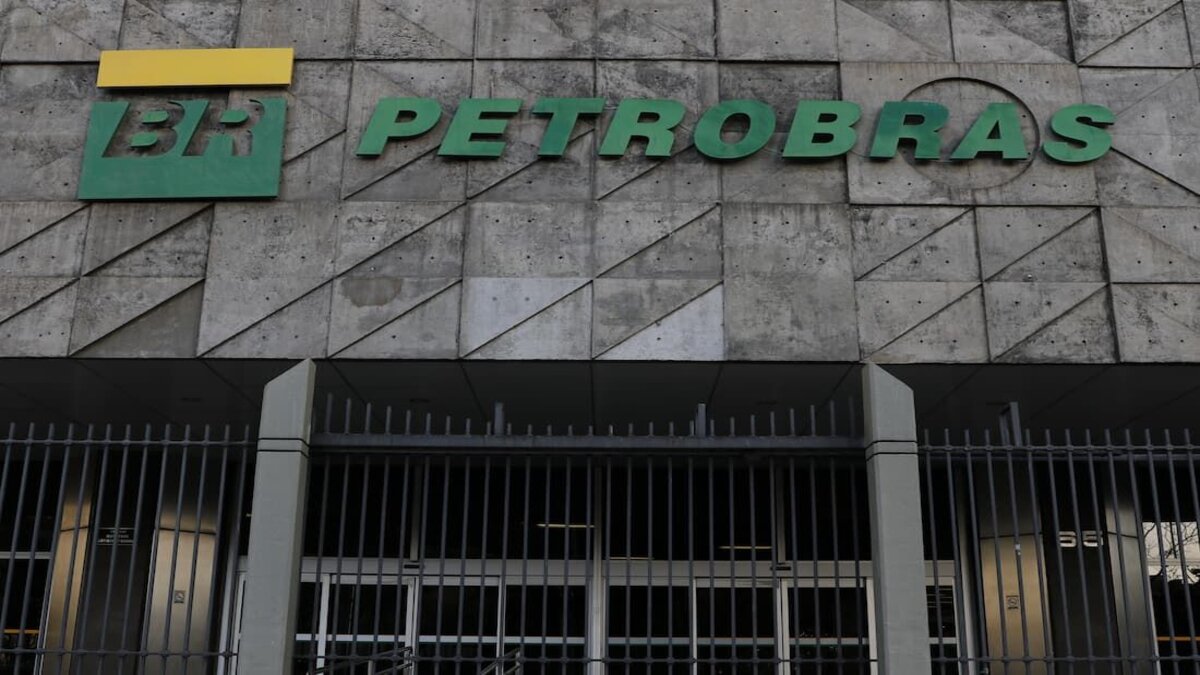
Even With All the Criticisms Regarding the Possible Market Concentration in the Brazilian Natural Gas Sector, Petrobras Has Just Completed the Sale of 51% of Its Participation in Gaspetro to Compass.
The state-owned oil company Petrobras has disposed of another of its assets in national territory and announced the sale of 51% of Gaspetro to Compass last Monday, (07/11). The transaction involved a total amount of approximately R$ 2.097 billion and, although it is quite beneficial for the state-owned company’s divestment project in Brazil, it could mean a significant impact on market concentration in the natural gas sector.
Sale of 51% of Gaspetro Completed by Petrobras and Natural Gas Distributor Participation Belongs to Compass After Transaction with State-Owned Company
Petrobras continues to gather its efforts for the concession of assets in its divestment project in the national territory and has disposed of another portion of its participation, this time in the natural gas distributor Gaspetro. The company sold 51% of its stake in the company to Compass on Monday, for a total amount of R$ 2.097, which was fully paid by the company in the transaction.
Gaspetro is a holding company that currently holds a stake in 18 natural gas distribution companies spread throughout Brazil, ensuring a strong presence in the fuel sector in Brazil. This is because the distributor currently has over 10,000 km of distribution networks that serve more than 500,000 customers, with a distributed volume of about 29 million m³/day.
-
Those with debt in their name will be on alert in 2026: Central Bank reveals indebtedness of 49.7% of income and increasing pressure from high inflation and interest rates.

-
Emirates pays R$ 34,850.71 per landing of the A380 in Guarulhos, a fee calculated by maximum weight; a video shows ANAC’s rates, compares Campinas, and reveals: Recife would be even more expensive for international flights today, which is alarming.

-
Neither the USA nor China: two countries in Latin America could enter the top 10 largest economies in the world by 2030 and concern traditional powers.

-
China and Russia unite on the eve of a UN vote and send a direct message to the US and Israel regarding the war in the Middle East; understand what is at stake.

After the announcement of the sale of Gaspetro’s stake to Compass, Petrobras highlighted that the entire transaction operation is aligned with the Commitment Term of Cessation (TCC) signed with the Administrative Council for Economic Defense (Cade) in 2019.
Moreover, among the main justifications for the sale of the stake, the state-owned company highlighted the promotion of competitiveness in the fuel sector in Brazil, as well as seeking a new management strategy for the distributor’s portfolio in the country, in order to ensure a more efficient capital allocation.
State-Owned Company Continues to Be Criticized for the Sale of Gaspetro to Compass and the Natural Gas Sector Foresees Possible Market Concentration in Brazil
Although it is quite beneficial for Petrobras’s own management and for its divestment project in the assets of Brazil, the sale of Gaspetro to Compass continues to be criticized in the oil and natural gas sector. This is because, last month, the Association of Independent Oil and Gas Producers (ABPIP) asked the Administrative Council for Economic Defense (Cade) to block the sale of the company.
Among the main justifications for halting the transaction process pointed out by ABPIP was the direction of demand from gas distributors to their commercial segment, closing an important portion of this market to producers. Thus, the natural gas market in Brazil would become even more closed and concentrated in the hands of a few companies.
A possible oligopsony scenario could also occur in the country, that is, a situation in which only a small number of companies start purchasing a particular product from a single trader. The National Agency of Petroleum (ANP) had also previously warned of a concentration of the fuel market in the hands of Compass, but no actions were taken to prevent the selling process.
Now, Compass holds a 51% stake in Gaspetro, and with that, Petrobras and the other companies in the oil and natural gas sector are awaiting the future consequences of the transaction, both for the benefit of the national market and for the development of potential issues.










Seja o primeiro a reagir!