





 English
  Francês
  Alemão
  Italiano
  Japonês
  Norueguês
  Portuguese
  Spanish
  3 min of reading



Petrobras Prioritizes Quality, Price, and Deadline in Contracts for the Construction of Platforms P-78 and P-79. The Bidding Process Started in July 2020
Petrobras informed in a relevant fact on the afternoon of this day (01/15) that continuing its strategy for the development of the Búzios field, in the pre-salt of the Santos Basin, Petrobras will receive on February 1 the proposals from the pre-qualified companies for the bidding for the construction of platforms P-78 and P-79.
Read Also
- More Divestments Petrobras: State Company Advances in the Sale of Five Onshore Oil Fields in Espírito Santo
- Cooking Gas Sales Grow in Brazil and Could Cost Up to R$ 200 to Consumers’ Pockets Still in 2021
- Resume and Work Permit in Hand to Compete for Job Openings Posted on (01/12) and Work at the Industrial Center Manserv
In the communication, Petrobras informs that the bidding process followed Law 13.303/2016 and began in July 2020, with the participation of 10 national and international companies, all with recognized experience.
“At this stage, companies will present their prices, in addition to the technical proposal. All proponents were previously qualified for the bidding, when their financial, technical, and operational requirements were analyzed. The decision-making process for contracting goods and services at Petrobras considers three criteria: quality, competitiveness, and delivery deadline,” says Petrobras.
-
Brazilian giant expands borders in the Southeast: Petrobras confirms new oil discovery in ultra-deep waters in the pre-salt of the Campos Basin.

-
Alert in the global energy market: Severe tropical cyclone hits the coast and disrupts gas production at major plants in Australia, threatening global supply.

-
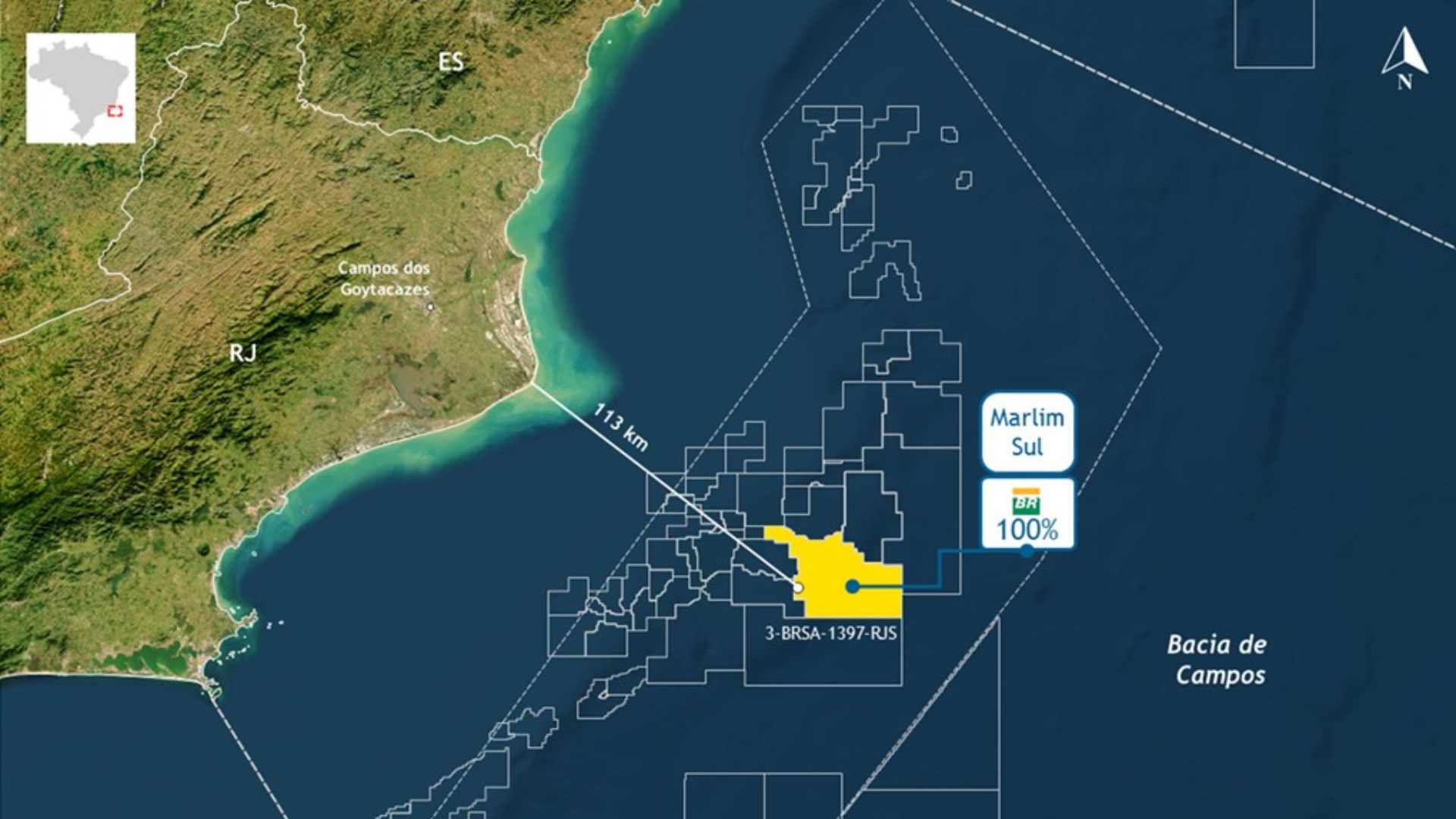
Petrobras finds high-quality oil in the pre-salt at 113 km from RJ and reignites expectations about strategic reserves in the Campos Basin.

-
Ocyan opens registrations for startups focused on innovation in the oil and gas sector and will select projects for Innovation Day with the support of Nexio.


The current contracting and construction strategies for Petrobras platforms aim to avoid delays in the delivery of systems and accelerate the start of development in production areas, as the state company plans to put 13 systems into production in Brazil by 2025.
According to the state company, this new generation of platforms incorporates improvements and lessons learned that Petrobras has accumulated over the last 10 years in the pre-salt and other offshore projects of the oil company.
Petrobras Prioritizes Quality, Price, and Deadline in the Construction of Platforms
For the Brazilian oil company, delays in project implementation result in losses of billions of reais in revenue for federal, state, and municipal governments, in addition to reducing the useful and productive lifespan of sharing regime fields, which have limited time for production.
For example, Petrobras itself suffered delays of more than three years in delivering ten platforms contracted in 2010, causing federal, state, and municipal governments to lose R$ 33 billion in revenue.
Since the platforms contain numerous domestically sourced equipment and meet legal local content requirements, regardless of where they are assembled, delays in platform construction harm the entire national specialized industry.
Strategies to Avoid Delays
Petrobras has reviewed its contracting system in recent years to avoid delays, increase transparency, and meet the challenges that pre-salt projects and the offshore oil and gas industry demand.
In 2020, Petrobras published on the supplier channel several documents regarding platform projects, such as technical specifications and arrangements, terms and conditions of contracts.
“In this way, Petrobras contributes to the creation of a mature and competitive supplier market and to the consolidation of an attractive business environment for new investments in oil and gas in Brazil. The company continues to be a major contractor in the country, as in 2020 it spent R$ 58 billion on contracting goods and services, with 62% going to domestic suppliers,” says the oil company.







Seja o primeiro a reagir!