Portuguese
  Spanish


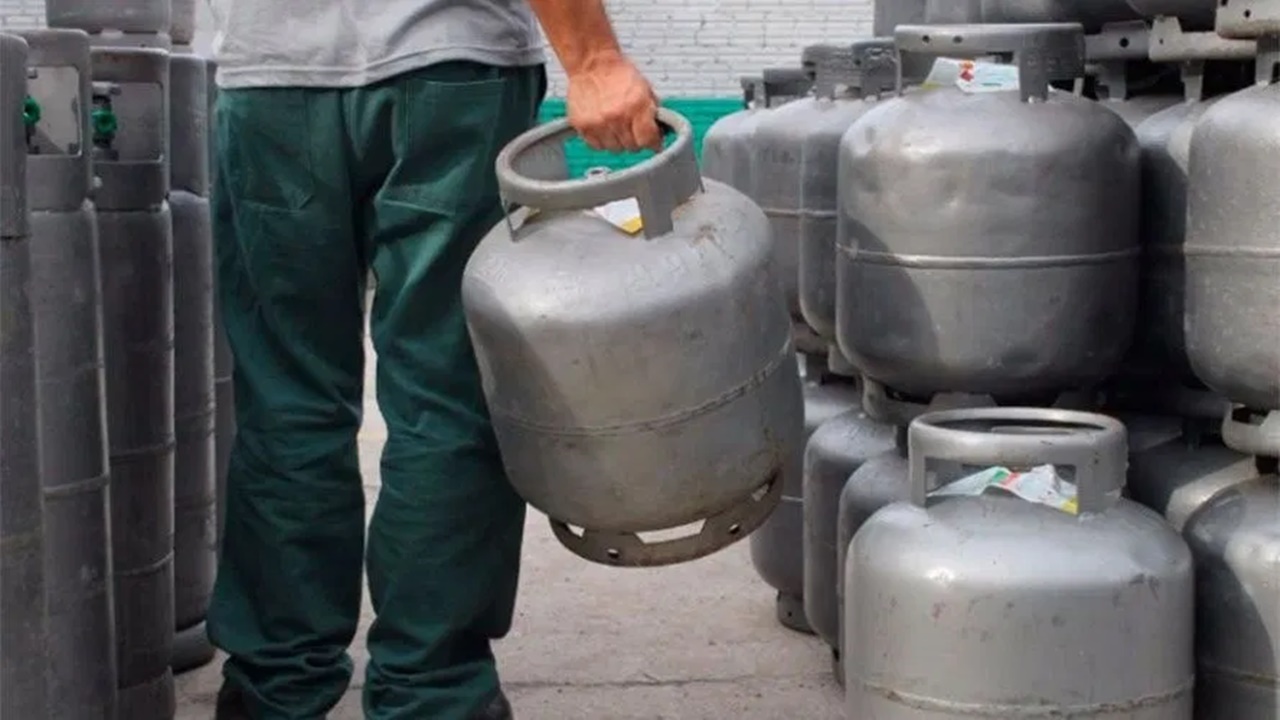

In 2020, the commercialized volume of cooking gas (LPG) increased by 5.3%, and this year, according to Asmirg, it could reach R$ 200 in a drastic hypothesis
Petrobras reported in an important fact last night (01/14) that the increase in domestic demand for cooking gas, resulting from the social distancing scenario, led to a 5.3% rise in LPG consumption for 13-kilogram cylinders in 2020. A law has been enacted to penalize theft, burglary, or receipt of fuel in Rio de Janeiro
Also Read
- American company New Fortress Energy (NFE) announced a billion-dollar investment in Brazil in gas and electricity projects
- Resume and work card in hand to compete for job openings posted yesterday (01/12) and work at the Manserv Industrial Center
- 2,000 job openings in Pernambuco for the construction and operation of the new thermoelectric power plant (UTE) based on Liquefied Natural Gas (LNG)
According to Petrobras, the trend was contrary to other fuels, which were impacted by mobility restrictions imposed by COVID-19 and the consequent economic downturn. This data can be checked on the Dynamic Panel of the Brazilian LPG Market on the Market page.
The Price of Cooking Gas – LPG in Brazil
The president of the Brazilian Association of Liquefied Petroleum Gas Resellers (Asmirg), Alexandre Borjaili, estimates that the price of cooking gas sold to Brazilians may reach R$ 150 – or even R$ 200 in a drastic hypothesis – this year.
-
OPEC+ Boosts Oil Supply by 188,000 Barrels per Day in July 2026, Leading to Price Drop from $112 to $89 per Barrel in Under Two Months

-
TotalEnergies Signs 20-Year Deal to Purchase 2 Million Tons of LNG from Alaska, Boosting Project Viability
-
Turkey Deploys Çağrı Bey Drilling Ship to Explore New Oil Frontier Off Somalia’s Coast
-
Golden Pass LNG Ships First Liquefied Gas Cargo from the U.S., Completing $10 Billion QatarEnergy and ExxonMobil Investment

Over the past 14 years, the price of a cooking gas cylinder has fluctuated between 6% and 8.7% of the prevailing national minimum wage. In 2007, this percentage was 8.7%. In 2019, the price of the cylinder represented 6.9% and, in 2020, was equivalent to 6.7% of the minimum wage on average.
Data from the National Agency of Petroleum, Natural Gas and Biofuels (ANP) updated last Monday (01/11) indicates that, on average, consumers pay R$ 75.04 for a 13kg cylinder. At its peak, the price reaches R$ 105.
In January of last year, the average price of the gas cylinder was R$ 69.74 – an increase of 7.6% during the period, not considering inflation. To give another perspective, in the first month of 2017, cooking gas – LPG was found at R$ 55.61.
The Pricing Policy of Petrobras
The selling prices of Petrobras to distributors, as well as its dynamics linked to variations in international quotations and exchange rates, account for only a portion of the final price to the consumer, although price fluctuations of the cylinder are almost always attributed exclusively to Petrobras.
In 2020, Petrobras’ share in the final consumer price averaged 39% of the observed value at resale points. In addition to the cost of cooking gas – LPG at the company’s refineries, the selling price of the cylinder includes state and federal taxes (averaging 18% in 2020), as well as cost coverage and remuneration for distributors and cooking gas resellers (43%, on average, in 2020).
The prices practiced by Petrobras are based on import parity quotes and thus follow variations in the product’s price in the international market and the exchange rate. Reflecting these fluctuations, Petrobras implements both increases and decreases in its prices.