





 Portuguese
  English
  Spanish
  3 min of reading


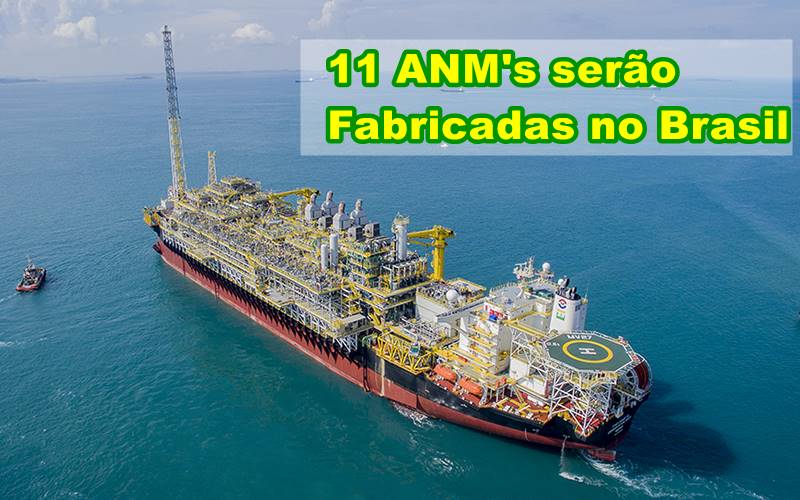
With the Launch of This Bid, Petrobras Ended Up Provoking a True Titan Dispute Between TechnipFMC, Aker Solutions, and OneSubsea.
Three contractors are locked in a battle to supply the Brazilian state-owned company Petrobras with 11 highly specialized subsea trees to serve the floating production, storage, and offloading vessel Mero 2 in the pre-salt province of the Santos Basin. The bidders in the dispute include TechnipFMC, Aker Solutions, and OneSubsea, owned by Schlumberger.
It is understood that Petrobras also invited Baker Hughes to participate in the bidding, but the GE-controlled company did not submit a commercial proposal.
-
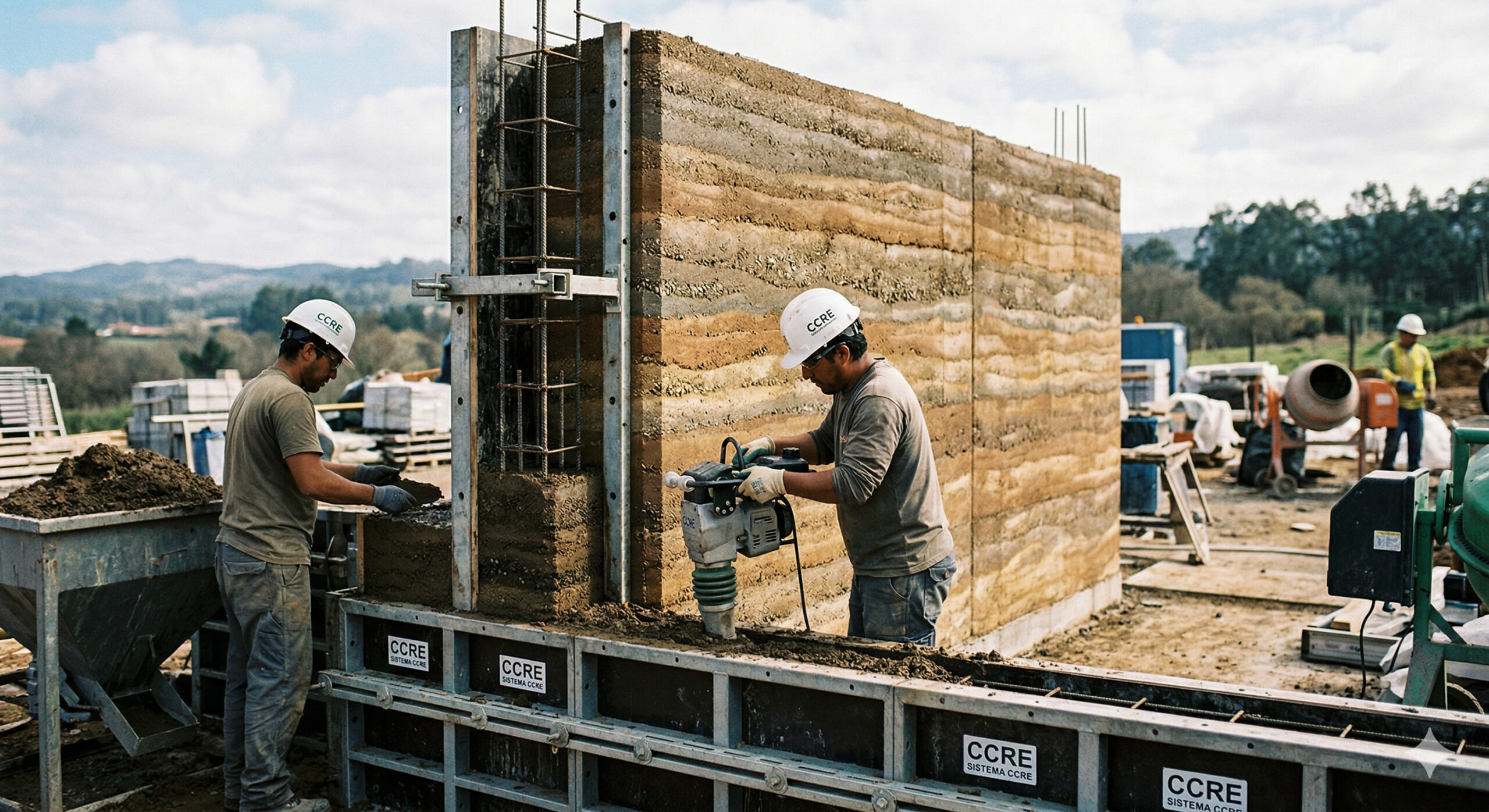
Without cement, without steel, and using only earth and recycled cardboard, engineers have created a construction system that drastically reduces carbon emissions and could change the way houses are built around the world.
-
Alert in the electric sector: excess solar energy triggers overload in the Brazilian electrical system, forces the operator to shut down power plants, and exposes an unexpected risk that could affect stability and energy costs.
-
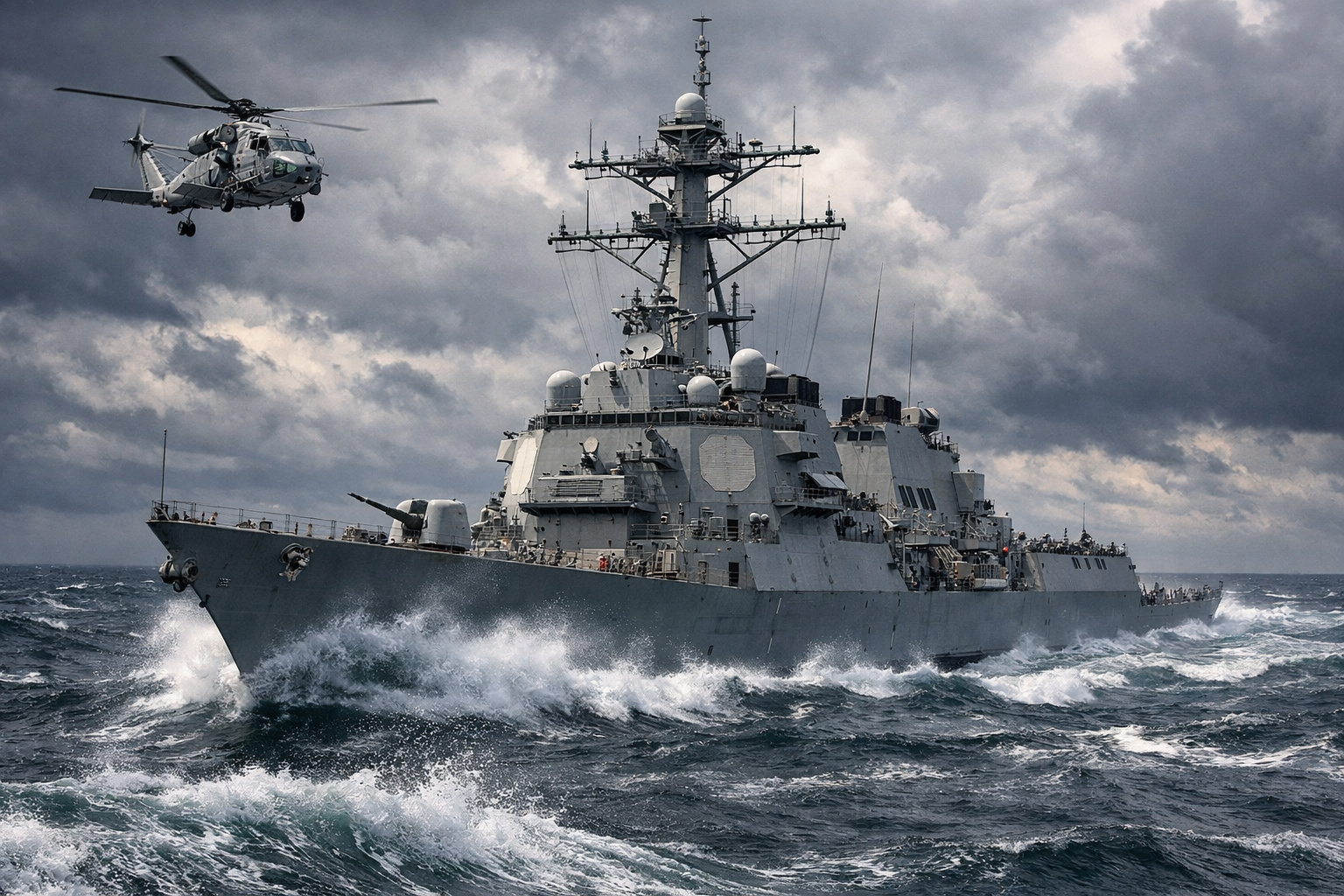
Russia spent $5 billion and 28 years modernizing a nuclear warship that had been inactive since 1997. The Admiral Nakhimov returned to the sea in August 2025 as the heaviest surface combat ship in the world, with 176 missile launchers, including hypersonic Zircon missiles.

-
James Webb finds 300 galaxies with mysterious scars, and this discovery may show that the universe was born much more violently than astronomers had imagined.


At the end of last year, Petrobras awarded Aker Solutions a similar contract to provide 12 subsea trees and associated equipment for the Mero 1 project, which is expected to start production in 2021 via the Guanabara FPSO. As with the Mero 1 contract, local content requirements for the Mero 2 subsea trees are high, and the winning bidder is likely to carry out the manufacturing of the equipment and services at a facility in Brazil.
Although Petrobras is requesting 11 subsea trees for Mero 2, one less than the number ordered for Mero 1, sources said the new contract is much more complex and comprehensive.
In addition to the subsea trees, the consortium led by Petrobras wants contractors to provide four subsea distribution units, three topside master control stations, as well as perform installation, commissioning, maintenance, and well intervention for a period of five years.
The subsea trees themselves will also be more complicated to build, as Petrobras stated that they must feature connectors to handle 8.5-inch diameter production lines, larger than those to be used on Mero 1. “The subsea contract for Mero 2 is similar in many respects to Mero 1, but the demand for potential workover adds an extra layer of complexity to the competition,” sources said.
“All I can say is that we presented a very competitive price and are now waiting for Petrobras to contact us.”
Petrobras is currently evaluating the proposals submitted by the trio, but the oil giant is expected to select a winner and initiate negotiations on the commercial terms of the contract in the coming weeks.
The Mero 2 FPSO will handle a total of 16 development wells, of which 11 will initially be put into operation starting in the second half of 2022.
Petrobras intends to maintain a rigid riser-based configuration for Mero 2 to cover the first 11 wells that will be connected to the floating unit, with the remaining five coming online later, likely using flexible pipes.
A tender to supply and install subsea umbilicals, risers, and flowlines to serve Mero 2 is expected to be offered to contractors in April.
Bids to supply the MPS 2 FPSO are scheduled for February 14, and the competition will likely be between Japan’s Modec, Netherlands-based SBM Offshore, and Malaysia’s MISC.
The floater will have the capacity to produce 180,000 barrels of oil per day and 12 million cubic meters of natural gas per day.
Petrobras operates Mero with a 40% stake and is partnered with Europeans Shell and Total at 20% each, along with China National Petroleum Corporation and China National Offshore Oil Corporation at 10% each.








Seja o primeiro a reagir!