





 Portuguese
  English
  Spanish
  4 min of reading
  0 comments



Petrobras Discovers Huge Natural Gas Reserve in Colombian Caribbean, With Capacity to Double Colombia’s Gas Reserves. Amid the Energy Crisis and Severe Drought, the New Deposit May Ensure the Country’s Energy Supply and Reduce Its Dependence on Imports.
The energy crisis in Colombia has become increasingly critical due to the scarcity of water resources caused by the severe drought, threatening the power supply for millions of Colombians.
However, a recent discovery may be the turning point. Petrobras announced this Thursday (03) the discovery of a massive natural gas reserve in the Colombian Caribbean, with the potential to double the country’s reserves and alleviate the impending crisis.
The Brazilian state-owned company, in partnership with Ecopetrol, found approximately six trillion cubic feet of natural gas, a volume that could transform Colombia’s energy landscape.
-
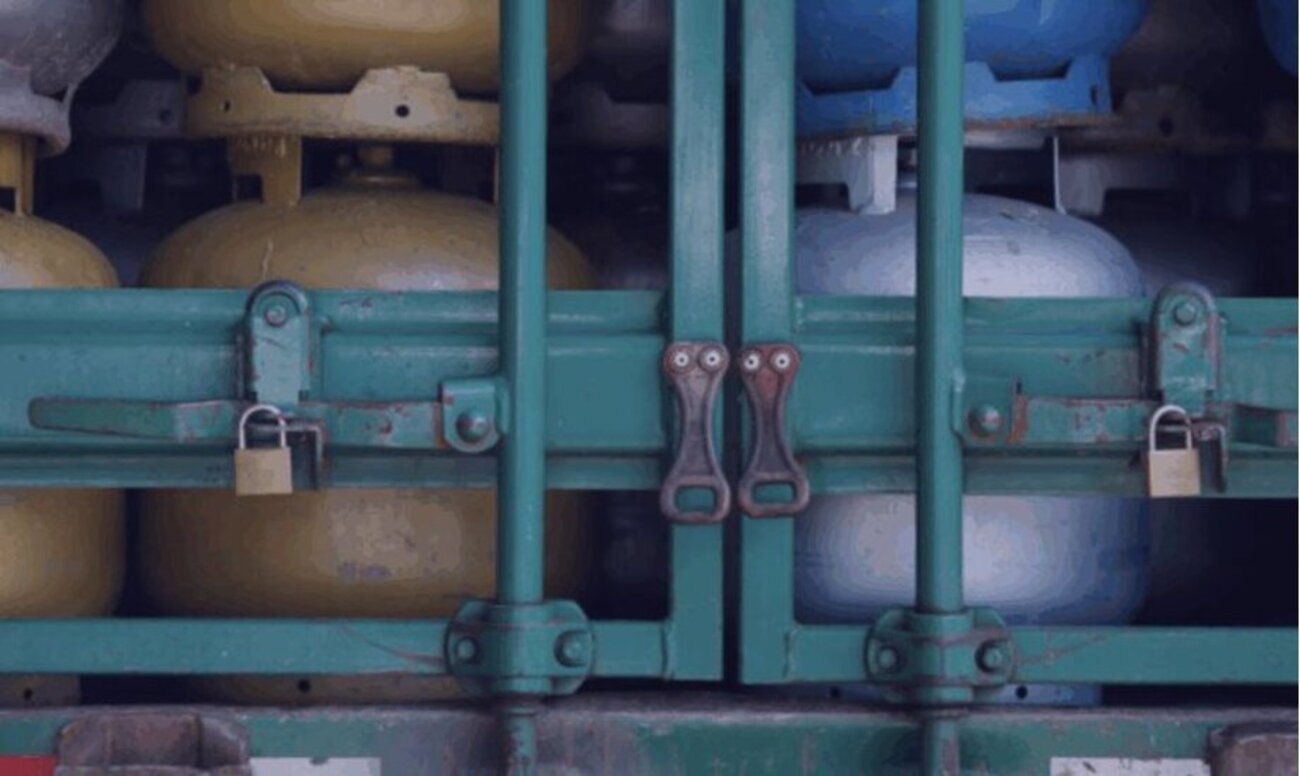
Petrobras evaluates suspension of sales to distributors and considers canceling the cooking gas auction following guidelines from the Federal Government.
-
Lula reveals a masterstroke by Petrobras to undo a deal made by Bolsonaro, which involves the return of an important refinery that currently produces less than half of what was expected and makes Brazil dependent on international diesel.

-
A study confirms that the natural gas sector will reduce greenhouse gas emissions in Brazil by 0.5% and accelerate the energy transition by 2026.

-
Petrobras implements a severe adjustment and confirms a 55% increase in the price of aviation kerosene with a proposal for installment payments for the companies.


This is one of the largest discoveries in the region in recent decades and comes at a crucial moment, when demand for natural gas is high and current reserves are proving insufficient to meet the country’s needs in the coming years.
The Importance of the Discovery Amid Drought and Blackouts
The drought caused by the El Niño phenomenon has intensified Colombia’s energy crisis, compromising the energy supply, especially in areas that rely on hydropower.
With water reserves increasingly scarce, Colombia has faced an increased risk of blackouts, leading to growing pressure for new solutions to be implemented.
This is where Petrobras’ recent discovery of natural gas comes in, which offers an opportunity to reduce dependence on hydropower and diversify the country’s energy matrix.
The discovery occurred in the exploration area “Sirius,” located in the Caribbean Sea, and the estimate is that this new deposit could ensure gas supply for the domestic market for the next 20 years.
Colombia had been importing increasing amounts of gas, primarily from Venezuela, to meet its demand, and now sees a chance to become more self-sufficient.
The Reaction of the Colombian Government and the Energy Transition
Despite the magnitude of this discovery, President Gustavo Petro’s government has adopted an ambiguous stance.
The president is known for his environmental policies and his advocacy for a more accelerated energy transition, focusing on renewable sources.
Petro aims to reduce Colombia’s dependence on fossil fuels, a sector that still dominates a large part of the country’s economy, accounting for 52% of exports.
The gas discovery puts the government in a dilemma. On one hand, the energy transition requires investments in clean energy, such as solar and wind.
On the other hand, natural gas is seen as a transitional energy source, less polluting than coal and oil, and essential to ensure supply in critical moments like the present.
In a statement, Petro acknowledged the importance of the discovery but emphasized that “the energy transition must remain a priority”.
The government intends to maintain its focus on clean energy initiatives while utilizing natural gas as a bridge to ensure energy security.
Increasing Demand and the Energy Future of Colombia
Currently, natural gas accounts for about 25% of Colombia’s energy matrix.
The demand for this resource has been increasing significantly, driven by population growth and the water crisis affecting hydropower generation.
Estimates indicate that, without new discoveries, the country would face a 7.5% deficit in gas supply as early as 2025, a number that could rise to 16% in 2026.
With the new deposit, Colombia has the opportunity to reverse this scenario, ensuring supply and avoiding greater dependencies on imports.
Moreover, natural gas can be a key player in electricity generation, replacing the use of more polluting fossil fuels and ensuring a more balanced transition to renewable sources.
However, this new gas wealth also brings challenges. The pressure for new exploration and distribution infrastructure will be enormous, and the government will need to reconcile economic and environmental interests.
The private sector, represented by associations like Naturgas, sees the discovery as an opportunity to boost economic growth but is calling for guarantees that there will be favorable conditions for investment.
How the Gas Discovery May Influence Brazil?
Petrobras, the main protagonist of this discovery, demonstrates that its international operations remain strong, with strategic investments that reinforce its presence in Latin America.
The discovery in Colombia also opens doors for future partnerships and collaborations between the two countries in the energy sector.
Brazil, which has been seeking to diversify its energy matrix and strengthen the security of natural gas supply, may indirectly benefit from this new reserve.
Cooperation between Petrobras and Ecopetrol could bring new technologies and exploration opportunities for the Brazilian market, in addition to increasing Brazil’s relevance in the international energy landscape.
The energy transition in Latin America is in full swing, and the gas discovery in Colombia by Petrobras shows that, despite clean energy goals, natural gas will still play a crucial role in the continent’s stability.









Seja o primeiro a reagir!