





 Portuguese
  English
  Spanish
  3 min of reading


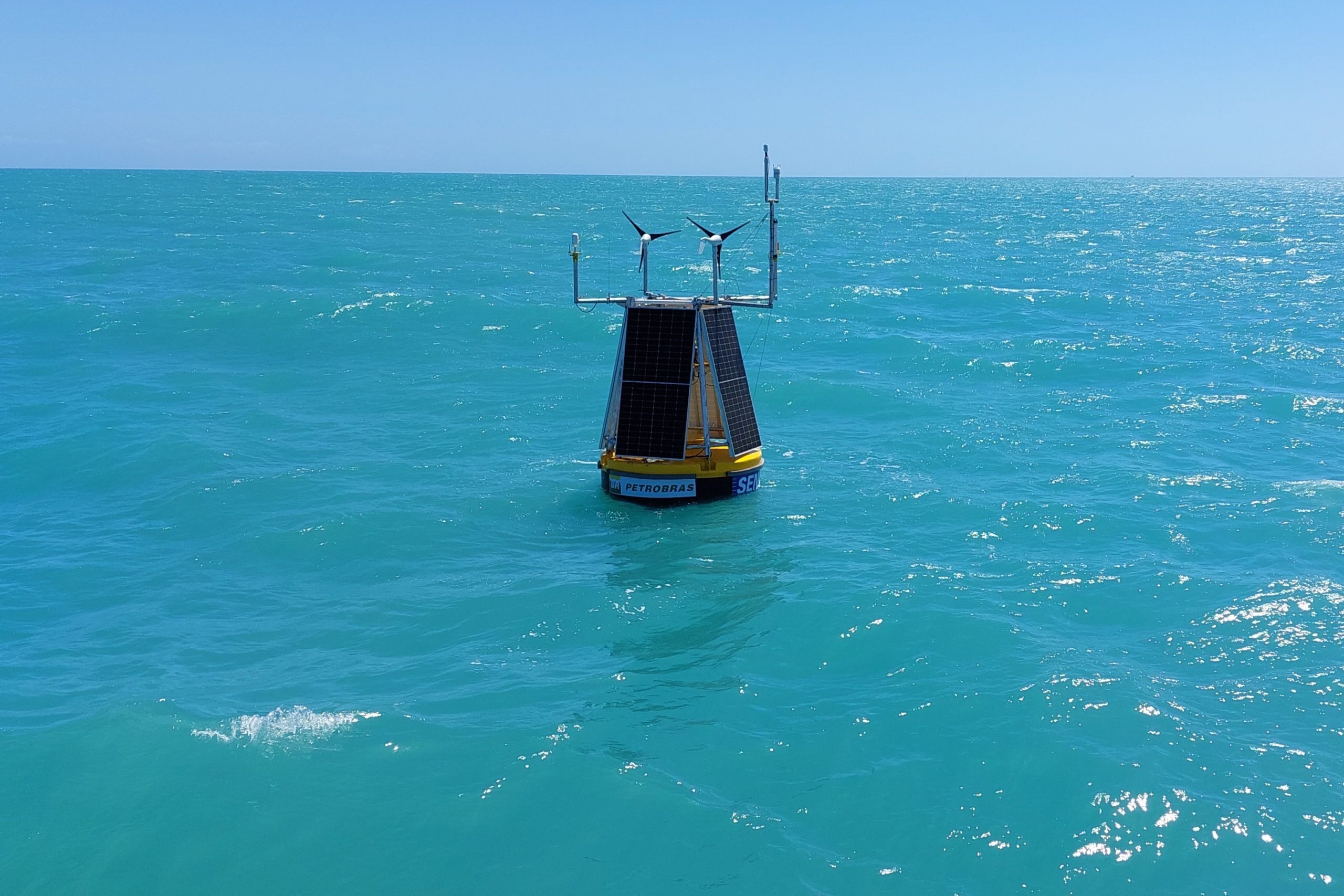
The Wind Measurement Buoy Is The Newest Technology From Petrobras For Future Offshore Wind Energy Projects Across Brazil. The Company Is Conducting Tests On The Coast Of Rio Grande Do Norte To Verify The Quality And Functionality Of The New Equipment.
Amid the growth of renewable energy projects across Brazil, Petrobras is targeting a prosperous future market, offshore wind. The company is conducting operational tests with its new wind measurement technology in Rio Grande do Norte. Named Bravo, the Remote Offshore Wind Assessment Buoy is the company’s newest equipment, which can significantly contribute to offshore wind energy projects.
Petrobras Develops Remote Buoy with Wind Measurement Technology and Aims for Future Offshore Wind Energy Projects in Brazil
In recent days, Petrobras has begun operational tests of its newest wind measurement technology on the coast of Rio Grande do Norte, developed by the company in a research and development (R&D) project with Senai.
The company is now testing with an eye toward the future of the Brazilian energy market, particularly offshore wind energy projects.
-
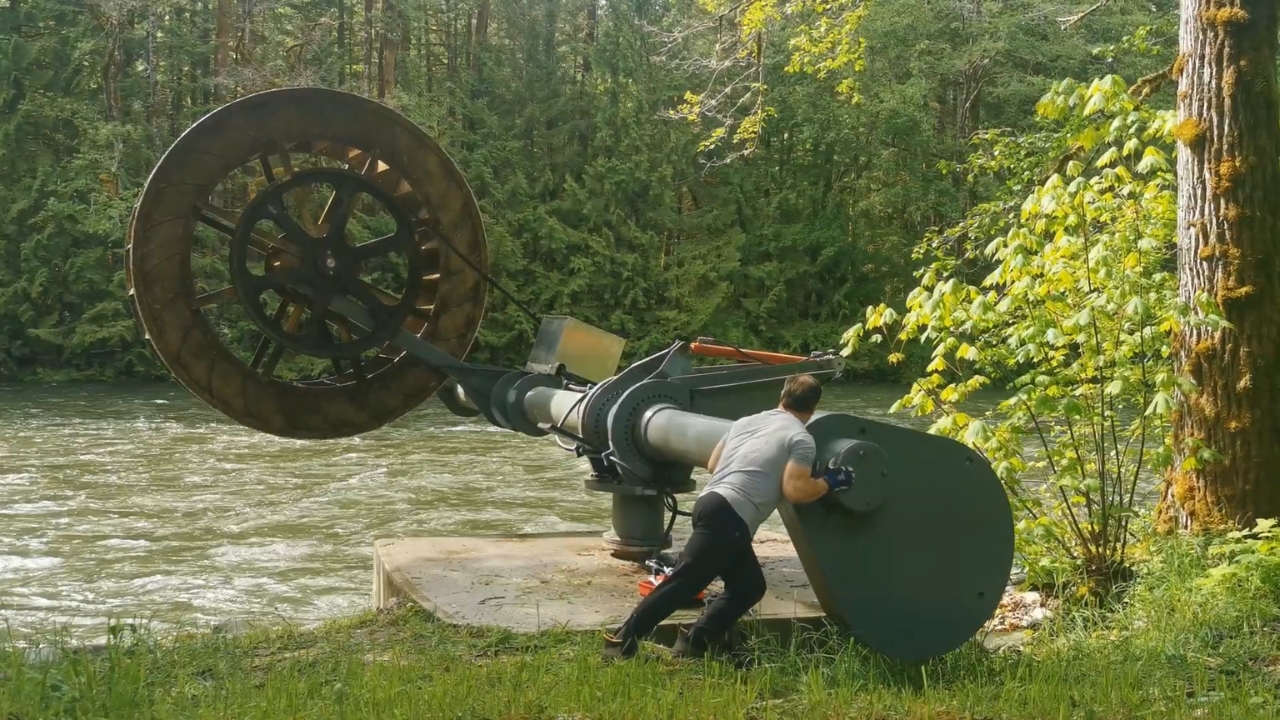
A Canadian retiree creates a hydroelectric system on a real river, generating energy continuously throughout the day and demonstrating how the power of water can supply a house with stability even in a simple structure.
-
Petrobras reaffirms its commitment to the market and ensures that it will carry out the energy transition safely to maintain national sovereignty.

-
Researchers discover a possible hydrogen deposit of up to 46 million tons beneath an ancient coal basin, and the volume could exceed half of the entire global production.

-
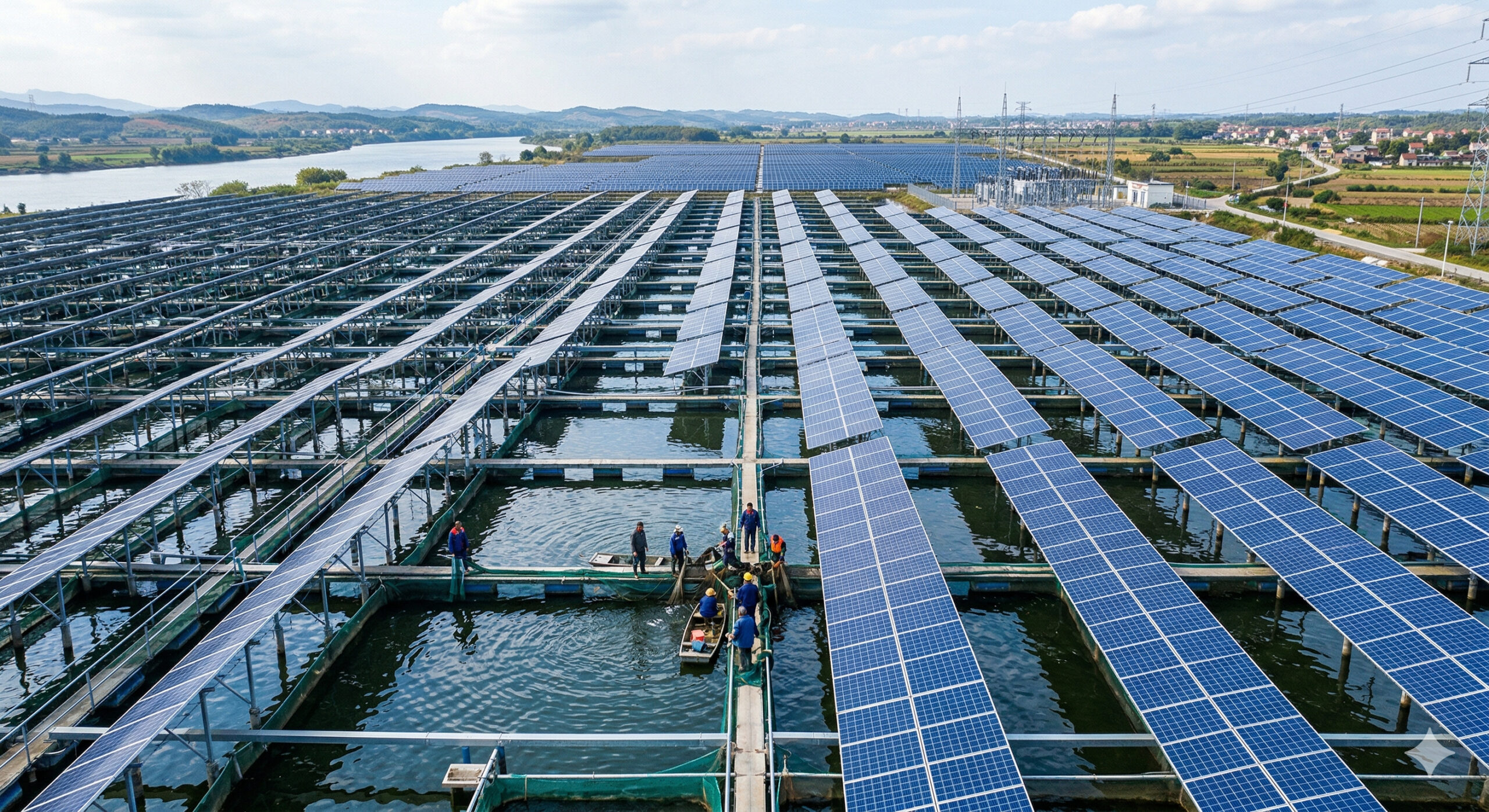
China bets on the Fishery-PV model and transforms fish farms into giant solar plants, covering ponds with panels that generate energy while utilizing the same space for large-scale aquaculture production.
This is because these projects require an essential step to move forward, the Offshore Energy Potential Study, which necessitates wind measurement.
Thus, the company’s new equipment can accelerate this process and ensure greater control over project development in the sector.
For the creation of the Remote Offshore Wind Assessment Buoy (Bravo), the company’s new technology, the oil company invested a total of R$ 9 million.
The project was developed with resources from the R&D program of the electricity sector of Aneel, in partnership with the Senai Institute of Innovation in Renewable Energies of Rio Grande do Norte and the Senai Institute of Innovation in Embedded Systems of Santa Catarina.
The equipment has a diameter of about 2.5 meters and a height of 3.5 meters, being powered by photovoltaic modules and wind turbines, which allows it to operate remotely with quality.
With the new technology, Petrobras expects to achieve a 40% cost reduction compared to contracting technology abroad for wind measurement from the buoy, an alternative to fixed towers.
State-Owned Company Studies Alternatives and New Technologies to Invest in Offshore Wind Energy Projects in the Coming Years
The offshore wind energy market is the major bet of the energy sector for the coming years, and Petrobras intends to enter this race for new ventures in the field.
Thus, the oil company is exploring alternatives that would enable it to establish a second cash generation engine for the future.
In its strategic plan for the period of 2023 – 2027, released in recent months, the state-owned company stated that it intends to invest and is conducting studies for projects in three areas: carbon capture, hydrogen, and lastly, offshore wind energy.
The Director of Institutional Relationship and Sustainability at Petrobras, Rafael Chaves, highlighted that despite advancements with the new technology, it is still necessary to find financial sustainability in the venture.
“A project that scores ten in climate sustainability, but lacks financial sustainability, is doomed to fail. So, we need to find projects that have dual resilience,” he stated.
Now, the company will continue testing the wind measurement equipment and studying viable future projects in the field.









Seja o primeiro a reagir!