





 Portuguese
  English
  Spanish
 2 min of reading
  0 comments


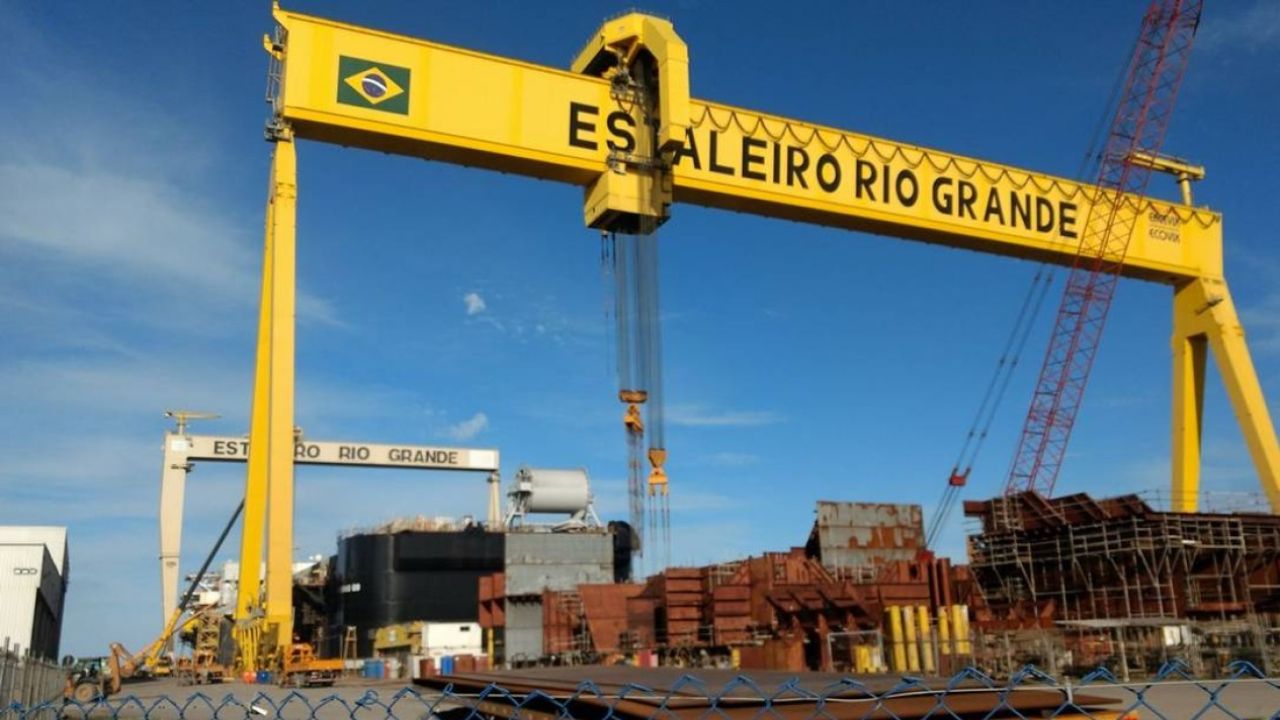
Petrobras Accelerates Construction of Handy Class Ships at Rio Grande Shipyard and Reestablishes Naval Hub on the Map.
Last Tuesday, (08/21), Petrobras approved the contracts for the construction of four Handy class ships at the Rio Grande Shipyard, in the south of Rio Grande do Sul. The investment of US$ 278 million is expected to boost the resumption of the Naval Hub, expand the state fleet, and create around 1,500 direct jobs by 2026. The agreement involves Ecovix, the shipyard operator, Transpetro – a subsidiary of Transportation and Logistics of Petrobras – and Mac Laren Shipyard, from Rio de Janeiro.
Petrobras: Construction of Handy Class Ships
The four Handy class ships will be used for the transportation of petroleum products, such as marine diesel, aviation gasoline, and other essential fuels for national logistics. Each vessel will have an approximate cost of US$ 69.5 million.
According to Transpetro, the new units are strategic for strengthening cabotage operations, that is, maritime transport between Brazilian ports, reducing costs, and ensuring greater efficiency in distribution.
-
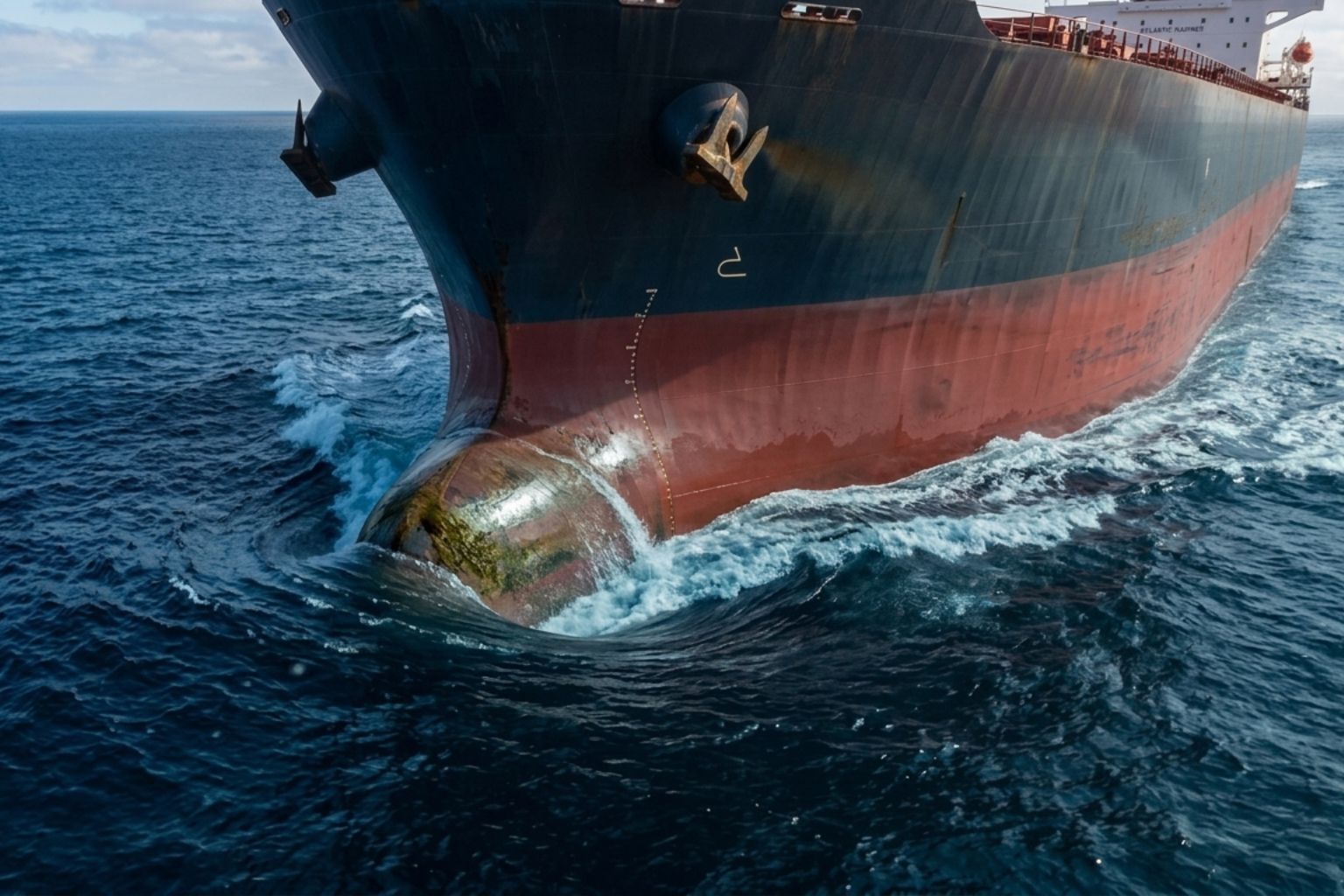
A hidden metal piece in the bow redesigns the water flow, reduces drag, and can save over 10,000 tons of fuel per year; this invisible solution allows giant ships to cut millions in costs without changing engines or routes.
-
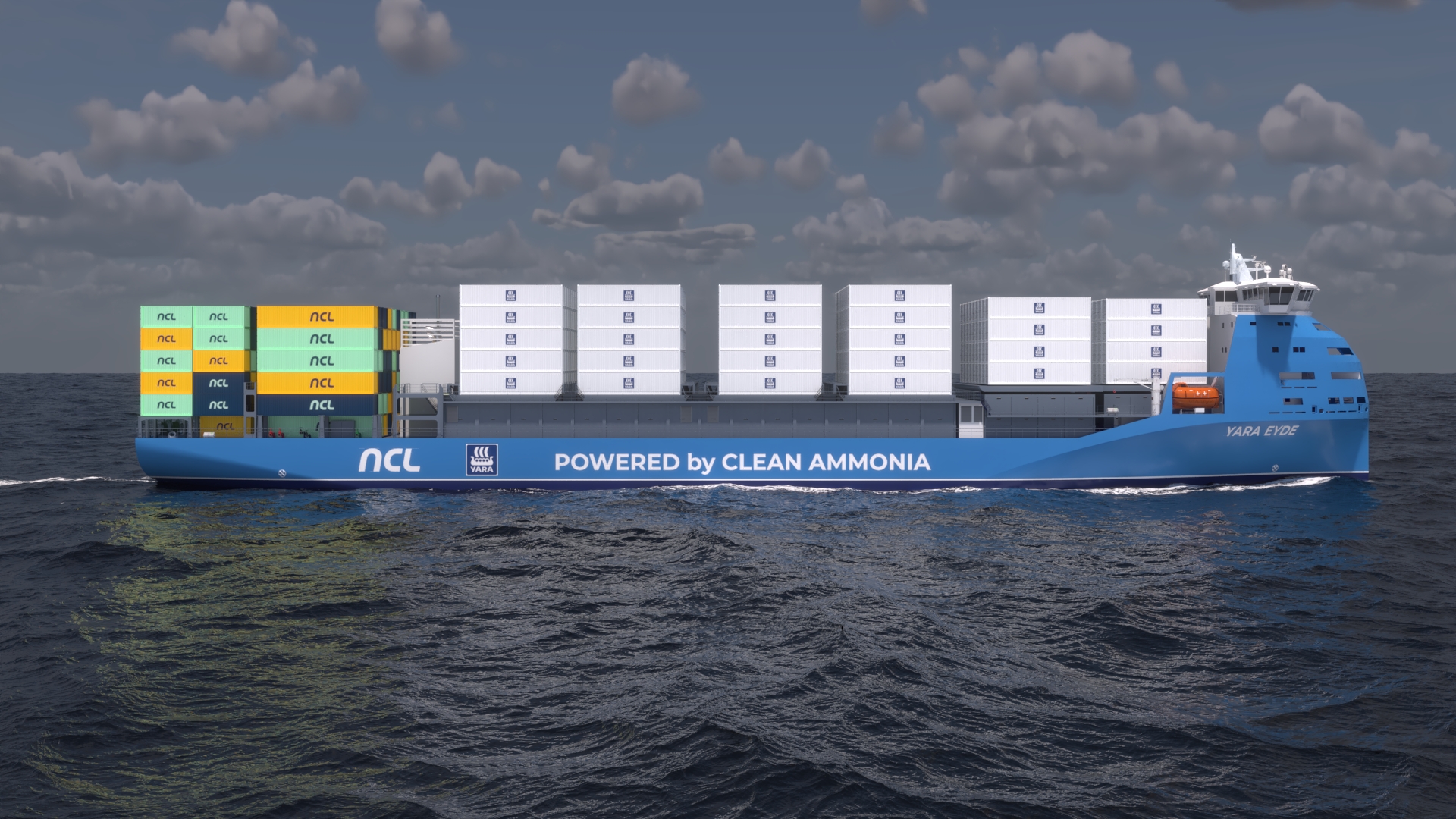
The world’s first container ship powered by renewable ammonia promises to avoid around 11,000 tons of CO₂ per year. The vessel, scheduled to operate in 2026, will connect Norway, Germany, and the Netherlands on one of the shortest and most strategic routes in Europe.
-
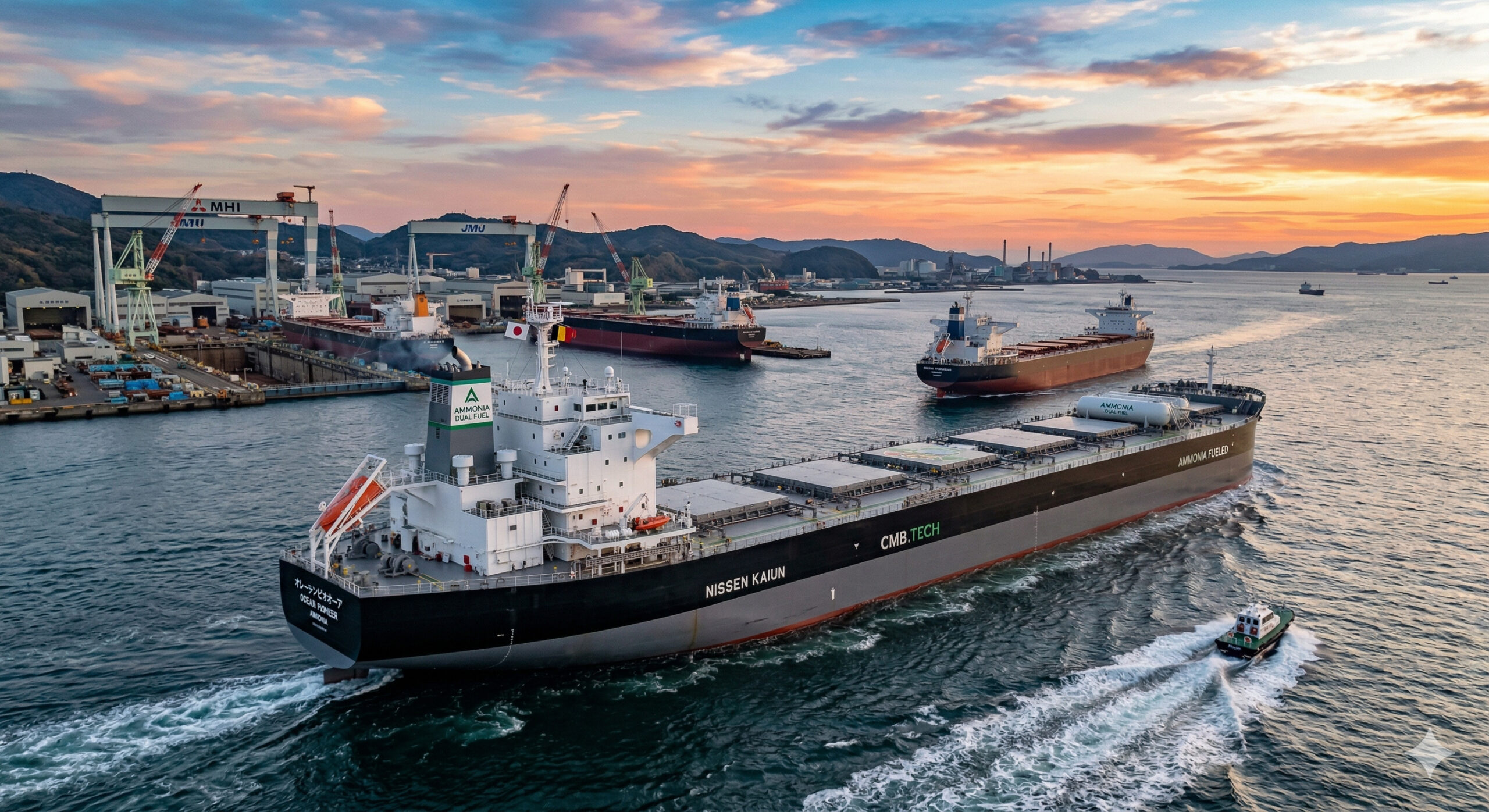
Nine giant ships of up to 210,000 gross tons equipped with dual fuel ammonia engines are being launched by Japan and Belgium. The project includes the world’s first Capesize vessels using this fuel, with contracts of up to 12 years, marking the beginning of a carbon-free ocean fleet starting in 2026.
-
Europe is trying to create an ammonia-powered marine engine without auxiliary fuel, which could unlock the race for giant emission-free ships. The technology aims to eliminate one of the biggest obstacles to clean maritime propulsion.

Rio Grande Shipyard and the Resumption of the Naval Hub
The Rio Grande Shipyard, which currently has around 200 workers, will undergo adjustments in its manufacturing facilities to meet the demand of the new contracts.
Ecovix’s forecast is that the number of jobs will grow by 500% in the next two years, reaching 1,500 professionals.
The mayor of Rio Grande, Darlene Pereira, celebrated the announcement and highlighted that the approval represents a milestone for the municipality:
“We have just received this excellent news, which is yet another step towards the effectiveness of the Naval Hub here in the municipality. From the signing of the contracts’ effectiveness, the necessary funds for hires and the beginning of ship construction will be released”.
When Does the Construction of the Ships Start?
According to Ecovix, the first hires should occur as early as December, and the construction of the ships is expected to begin within this semester.
Work at the Rio Grande Shipyard will be accompanied by infrastructure investments, ensuring that the hub is prepared for new demands in the naval sector.
The investment reinforces the policy of renewal and expansion of Petrobras’ fleet, strengthening the Brazilian naval industry and creating opportunities for local companies. Additionally, the measure addresses the need for modernization of the fuel logistics in the country.
Thus, Petrobras not only expands its transportation capacity but also contributes to job creation, regional development, and the recovery of the national naval industry.








-

-

-

-

-

23 pessoas reagiram a isso.