





 Portuguese
  English
  Spanish
  3 min of reading


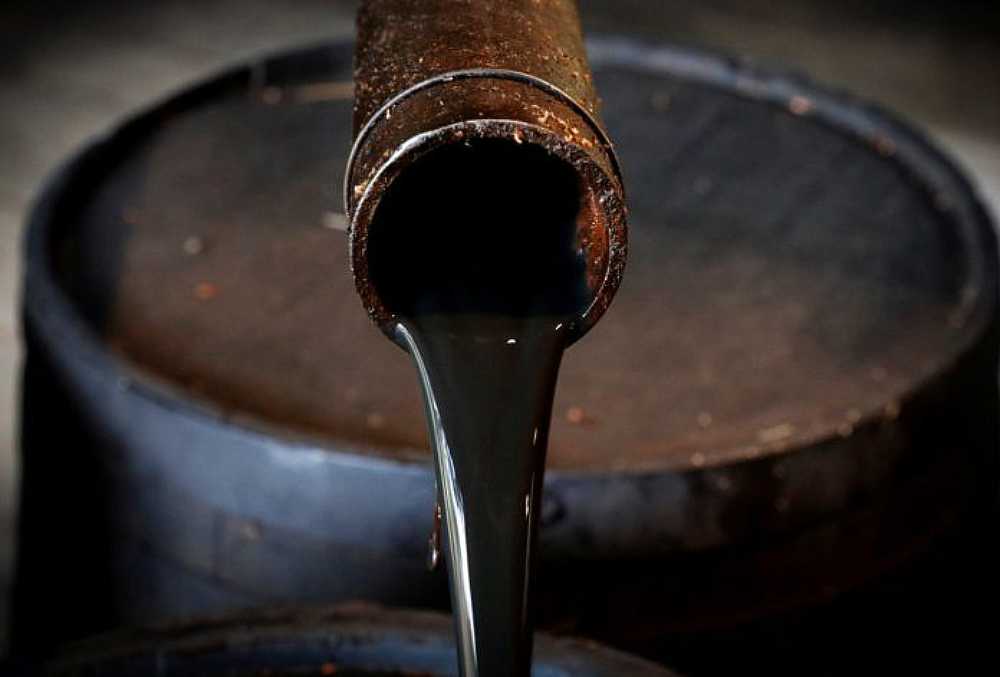
Focusing On Reducing Pollutant Emissions, Petrobras Will Produce Fuel Oil With Less Sulfur Content For Industries.
Petrobras, still in the first quarter of this year, intends to discontinue the sale of fuel oil OCA1 (with a maximum sulfur content of 2%), exclusively offering industries OCB1, which has a maximum sulfur content of 1% in its composition. The initiative will also help consumers in the industrial sector reduce the emission of this chemical component, thus contributing to a more sustainable world with less harm to the environment.
What Is Fuel Oil And How Is It Classified?
According to the technical manual published by Petrobras in 2019, “fuel oil is a product used for generating thermal energy, basically composed of a complex mixture of streams from oil processing, with its base being vacuum distillation residue (VR). Diluents from the diesel oil boiling range or heavier are added to the VR according to the required specification. The sulfur content of the mixture can be affected by the diluent.”
Fuel oil is generally used to generate thermal energy in furnaces and boilers.
-
Petrobras evaluates suspension of sales to distributors and considers canceling the cooking gas auction following guidelines from the Federal Government.
-
Lula reveals a masterstroke by Petrobras to undo a deal made by Bolsonaro, which involves the return of an important refinery that currently produces less than half of what was expected and makes Brazil dependent on international diesel.
-
A study confirms that the natural gas sector will reduce greenhouse gas emissions in Brazil by 0.5% and accelerate the energy transition by 2026.

-
Petrobras implements a severe adjustment and confirms a 55% increase in the price of aviation kerosene with a proposal for installment payments for the companies.

It is appropriate for the oil to be kept heated in the tank to facilitate its flow.
Depending on its intended use, the product must go through a filtration system to remove organic and inorganic sediments.
Then, the fuel oil is reheated to reduce its viscosity to the value required by the burner, facilitating atomization.
Atomization is the mechanical breakup of the liquid generating small droplets with a diameter of about 0.5 μm; the smaller the droplet size, the easier the vaporization of the product, which is necessary for good combustion.
Industrial fuel oils are classified considering viscosity, sulfur content, and pour point.
Petrobras’ Focus Is On Reducing Pollutant Emissions, Such As Sulfur, From Industries
The reduction of sulfur content in fuel oil is presented as an ally to the goals aimed at improving air quality established by Resolution CONAMA 491/2018. The resolution was drafted based on guidelines from the World Health Organization (WHO).
According to Viviana Coelho, Executive Manager of Climate Change, the sulfur content in fuels is directly linked to sulfur oxide emissions during combustion.
“Reducing this component in our fuel oil is part of Petrobras’ actions to provide society with cleaner products and ensure lower emissions,” she declares.
By ensuring that all fuel oil sold by Petrobras in the national market has low sulfur content, the state-owned company helps consumers in the industrial sector reduce pollutant emissions. According to Sandro Barreto, Executive Manager of Internal Market Commercialization, Petrobras’ goals and ambitions are focused on initiatives aimed not only at the company’s own operations but also at its customers.










Seja o primeiro a reagir!