





 Portuguese
  English
  Spanish
  5 min of reading
  0 comments



ANP Authorized Petrobras To Directly Import Natural Gas From Argentina Via Gasbol, Expanding National Supply And Strengthening Brazil’s Energy Security
On Wednesday (26), Petrobras received a strategic authorization from ANP to import, without intermediaries, up to 180 million cubic meters per year of natural gas from Argentina. The measure, published in the Official Gazette, enables the use of the Bolivia–Brazil Gas Pipeline (Gasbol) as an entry route for the fuel into the national territory. The decision reinforces the country’s energy security and expands supply options for the Brazilian market.
Why Did ANP Authorize The Direct Import Of Natural Gas From Argentina?
According to an article published by Agência Eixos, ANP’s authorization is considered relevant because it allows Petrobras to purchase natural gas directly from its Argentine subsidiary. This eliminates intermediaries, reduces bureaucracy, and can generate greater competitiveness in the domestic market.
As reported by the official publication, the state-owned company will be able to move up to 180 million m³/year through Gasbol, using the municipality of Corumbá (MS) as the gateway. The measure is viewed as a progress in regional energy integration and could enhance Brazilian supply during peak demand periods.
-
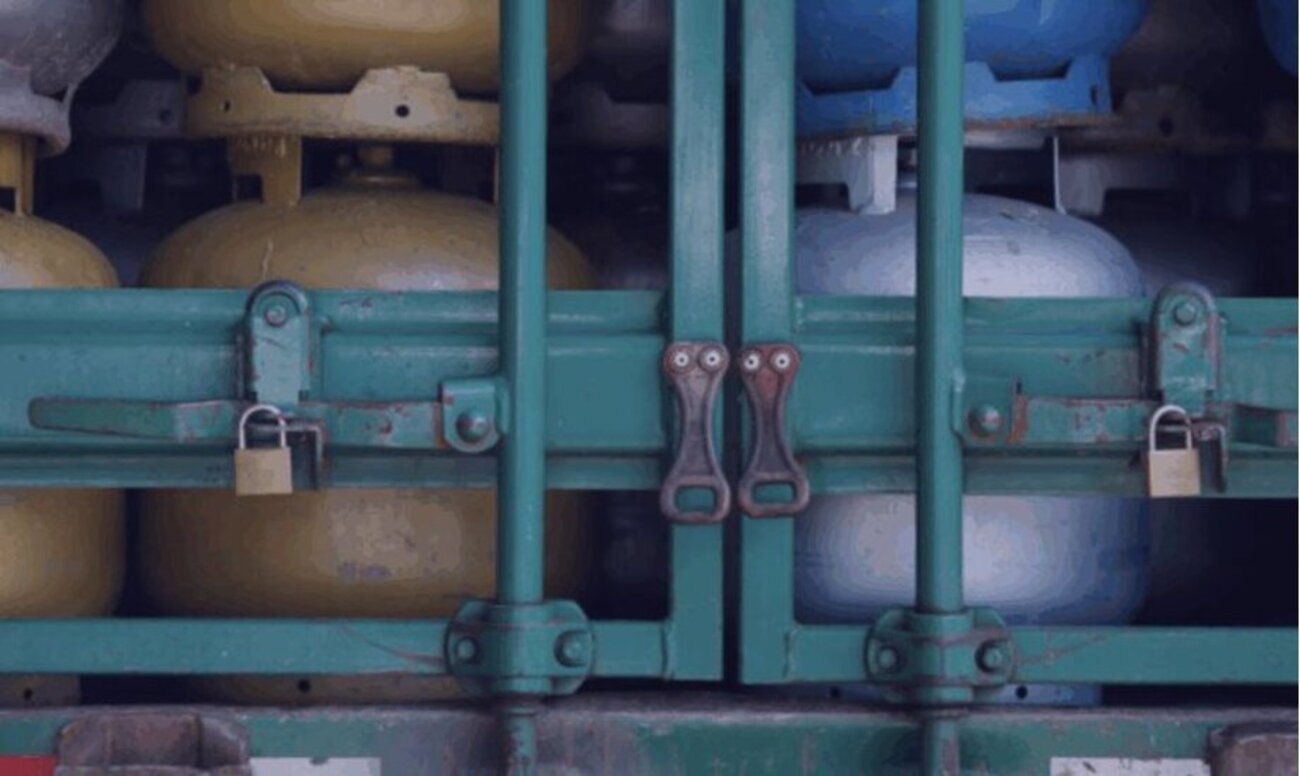
Petrobras evaluates suspension of sales to distributors and considers canceling the cooking gas auction following guidelines from the Federal Government.
-
Lula reveals a masterstroke by Petrobras to undo a deal made by Bolsonaro, which involves the return of an important refinery that currently produces less than half of what was expected and makes Brazil dependent on international diesel.

-
A study confirms that the natural gas sector will reduce greenhouse gas emissions in Brazil by 0.5% and accelerate the energy transition by 2026.

-
Petrobras implements a severe adjustment and confirms a 55% increase in the price of aviation kerosene with a proposal for installment payments for the companies.

Furthermore, this import is aligned with the context of expanding Argentina’s unconventional gas production, especially in the Vaca Muerta formation — one of the largest shale gas reserves in the world.
Recent History Of Petrobras In Supplying Argentinian Gas
First Operational Test Before Formal Authorization
In October 2025, Petrobras conducted a significant test of importing Argentinian gas, still through Pluspetrol. The gas entered Brazil through Bolivia, using Gasbol as a transport route to the national territory.
Although it was an operational test, the result confirmed the logistical viability of Argentinian supply to the Brazilian market, demonstrating technical capacity for future direct operations. Thus, the authorization granted by ANP in November strengthens a movement already in progress.
The Role Of Gasbol In Energy Integration
Gasbol, which connects Bolivia’s transportation systems to Brazil, remains essential for the movement of imported gas. It has installed capacity to carry out the operation and is already used by various market agents.
ANP also resumed, in May 2025, the process of offering and contracting transport capacity (POCC), reinforcing the relevance of the pipeline in national supply. The decision came after a suspension that occurred at the end of 2024, due to regulatory adjustments.
Official Details Of ANP Authorization For Petrobras
Conditions Established For Import
According to the source, the authorization published in the DOU stipulates:
- Permission to import up to 180 million m³/year of natural gas.
- Entry of gas through Corumbá (MS), a traditional point of energy border.
- Direct import of gas belonging to Petrobras’ Argentine subsidiary, without the requirement for commercial intermediaries.
This direct import model is considered more efficient and can reduce operational costs.
Aspects Of The Argentinian Regulatory Context
Starting in January 2026, new minimum prices defined by the Argentinian government for gas exports will come into effect, within the framework of Plan Gas.Ar — the main stimulation program for production in the country.
Additionally, different producing companies are authorized to export to Brazil, including:
- Petrobras (Argentinian subsidiary)
- Pluspetrol
- YPF
- Pampa Energía
- Tecpetrol
This list reinforces the advancement of gas commercial relations between the two countries and encourages the diversification of suppliers in the Brazilian market.
Impacts On The Brazilian Natural Gas Market
Expansion Of Supply And Energy Security
Depending on the volume contracted in the future, Argentinian gas may strengthen Brazil’s energy security, especially during periods of higher industrial and thermal demand. The country has been seeking to expand its supply sources to reduce risks and ensure stability in the sector.
More supply means more alternatives and greater resilience of the national energy system.
Furthermore, since natural gas is essential for both energy generation and industrial sectors, the expansion of supply can bring positive cascading effects.
Competitiveness And Possible Influence On Prices
Although the authorization alone does not guarantee price reductions, the entry of new volumes may stimulate greater competition in the market. This competitiveness tends, over time, to encourage more favorable conditions for industrial consumers, distributors, and agents in the free market.
If regulatory and logistical conditions remain stable, there may be downward price pressure, especially in short- and medium-term contracts.
Intensive Use Of Existing Infrastructure
Gasbol is a strategic asset as it connects gas transportation systems between Latin American countries. Utilizing this infrastructure reduces operational costs, shortens the time between production and consumption, and avoids the need for constructing new pipelines.
This logistical optimization increases efficiency and makes imports more competitive compared to other supply alternatives.
Short And Medium-Term Challenges For Integration With Argentina
Despite the progress, there are points of attention:
- The authorized volume, although relevant, represents only a fraction of Brazil’s total demand.
- The operation depends on Gasbol and, therefore, on its availability, maintenance, and contracted capacity.
- The competitiveness of Argentinian gas may vary according to transportation tariffs, exchange rates, and conditions in the Argentinian market.
Additionally, strong long-term contracts will still be necessary to consolidate the continuous flow between the countries. Scale entry will depend on the balance between cost, demand, and regulatory stability on both sides of the border.
Outlook For The Energy Sector With The ANP Authorization
The authorization combines strategic factors: diversification of suppliers, use of already available infrastructure, and rapprochement between the energy markets of Brazil and Argentina.
The decision reinforces the view that natural gas will continue to play a relevant role in Brazil’s energy transition. With the increasing need for stability and cleaner sources compared to liquid fuels, direct importation can contribute to a more balanced matrix.
Furthermore, the increased competitiveness and expansion of supply routes may drive new investments in infrastructure and broaden access to gas in the country.
Petrobras Initiative: Importance For The Future Of The Brazilian Market
ANP’s authorization for Petrobras to directly import natural gas from Argentina represents an important step in consolidating new supply routes for Brazil. By expanding supply diversity, the country strengthens its energy security and improves its ability to meet industrial and thermoelectric demand.
If well executed, this integration can become one of the most important recent initiatives in the gas sector in South America, bringing competitive-economic benefits, greater stability, and new opportunities for consumers and the Brazilian energy system.









Seja o primeiro a reagir!