





 English
  Francês
  Alemão
  Italiano
  Japonês
  Norueguês
  Portuguese
  Spanish
  2 min of reading


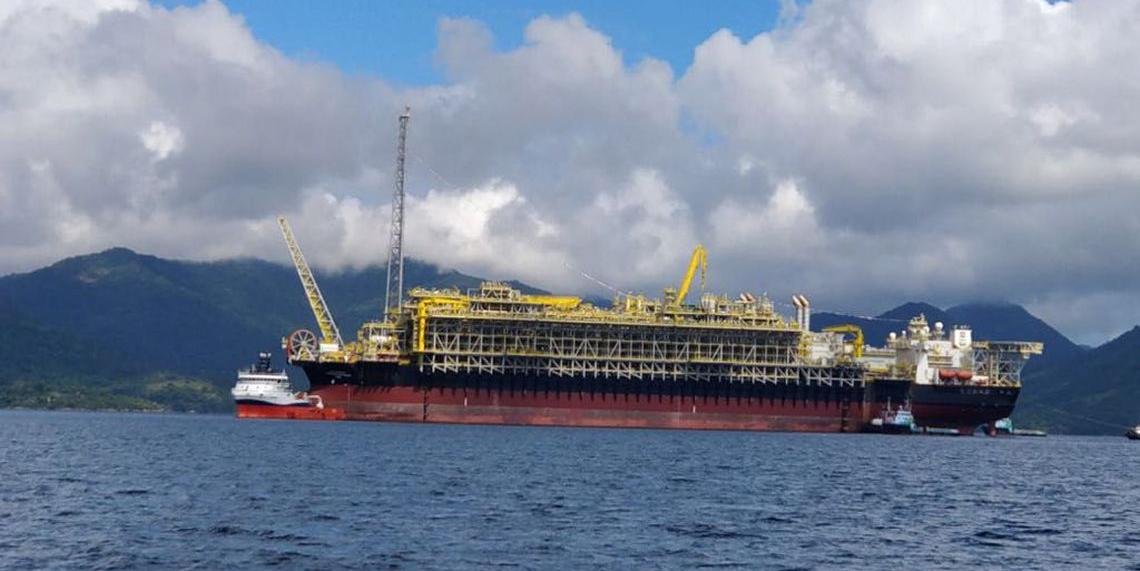
Petrobras Started Exploration of the Tartaruga Field in the Campos Basin in 2004, Under a Concession Regime, and Two Reserves Were Discovered.
Petrobras will pay R$ 210 million to the Union by the end of November for the agreement regarding its participation in the production of the Tartaruga oil field in the Campos basin, resulting from a financial settlement reached on Monday between PPSA (Pré-sal Petróleo), representing the Union, and the state-owned company. Focused on the pre-salt, Petrobras accelerates the decommissioning in the Campos Basin.
In a statement to Pré-Sal Petróleo (PPSA), it was reported that with this payment, the resources received by the Union related to financial settlements in the pre-salt rose to R$ 1.16 billion.
-
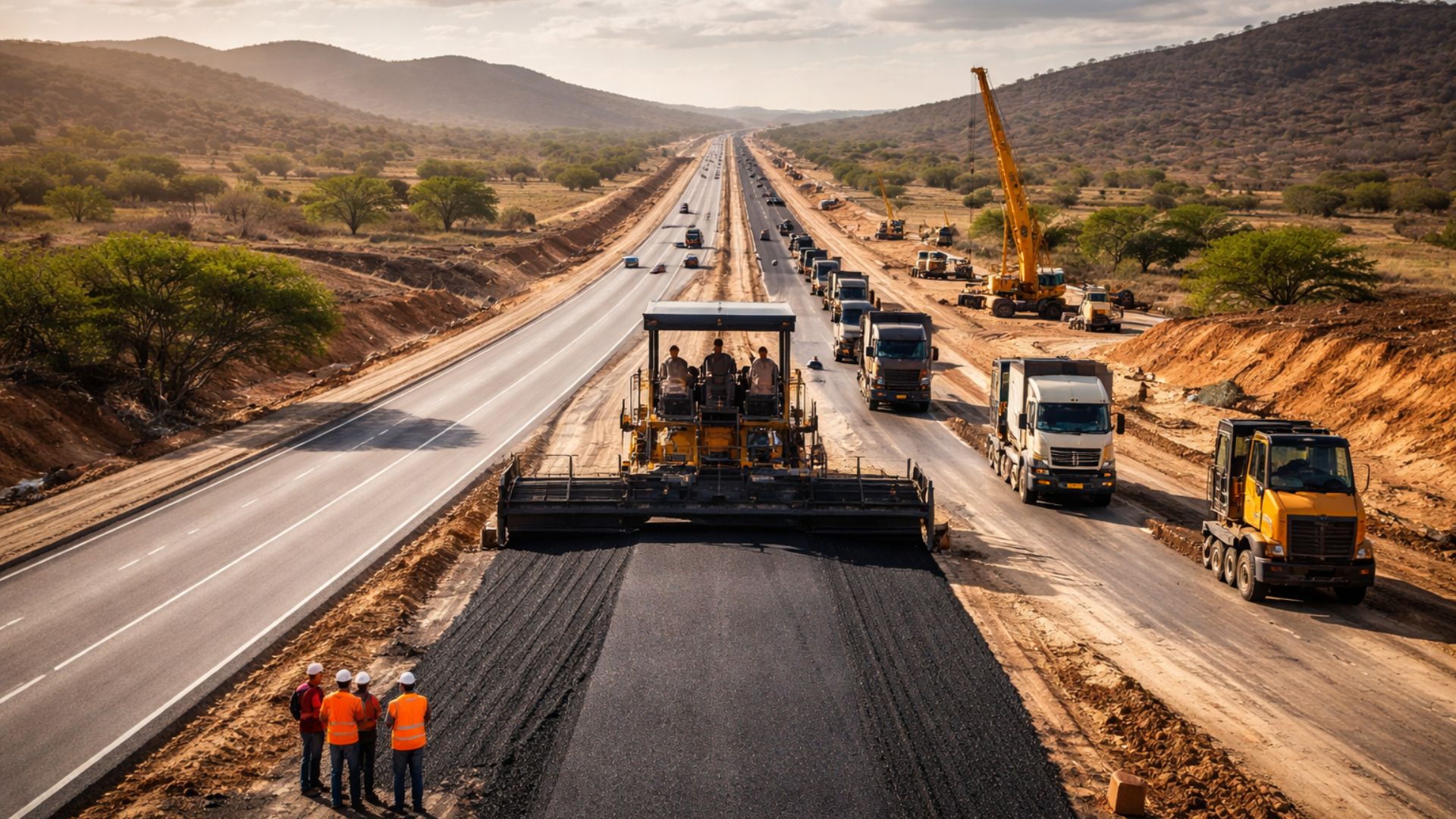
Government unlocks R$ 554 million for a highway that has been requested for decades and accelerates the duplication of BR.
-
Without bricks, without cement, and without endless construction: the cardboard house that is assembled in modules and can be moved.

-
Billions of barrels on the equatorial margin could lead Amapá to double its oil production in Brazil — the state aims to enter the route of companies in the Campos Basin, attract investments, and boost jobs and businesses in the oil and gas sector.

-
Without bricks, without cement, and without endless construction: the cardboard house that is assembled in modules and can be moved.

In December of last year, an agreement with the consortium led by Petrobras in the Sapinhoá Field, in the Santos basin, resulted in R$ 847 million for the Union, and in April of this year, there was another agreement with the same consortium worth R$ 108 million.
The Tartaruga field is located 127 kilometers off the coast of the State of Rio de Janeiro, between the Tartaruga Verde and Tartaruga Verde Sudoeste fields.
Petrobras began exploring the area in 2004, under a concession regime, and two reserves were discovered, with one extending southwest into an uncontracted area still owned by the Union.
A unitization agreement was then necessary, followed by an agreement for the Union to receive a share of the production from the area.
In the Tartaruga reserve, a slice of 17.85% was agreed for the Union, and a settlement was made considering the revenues since the beginning of exploration, resulting in a creditor balance of R$ 202 million, which was adjusted by the IGPM (General Market Price Index) to R$ 210 million, to be deposited into the National Treasury.
When an oil field exceeds the concession area, the oil company needs to sign a production individualization agreement in which the Union gains the right to a share of the production and an equivalent responsibility for the expenses.
- Learn About the Digital Work Card (CTPS) and Learn How to Access It
- In Niterói, the Advancement of the Naval and Oil Industries Gains New Momentum







Seja o primeiro a reagir!