





 Portuguese
  English
  Spanish
  2 min of reading
  0 comments



In October, the Fuel Price Recorded an Increase of 5.3%, Following the Rise in Raw Material Costs.
After raising prices in August, Petrobras (PETR4) announced a reduction of about 2% in the price of aviation kerosene (QAV) effective this Wednesday, the 1st. The price variation will depend on the market in which the company operates. This measure follows the drop in oil prices in the international market.
According to data from the state-owned company, the price reduction for QAV ranges between 2% and 2.25%. This reduction is a response to the fuel price hike in October, when the price was increased by 5.3% following the rise in commodity prices.


Peculiarity of Aviation Kerosene Compared to Other Conventional Fuels
Unlike other fuels from Petrobras, such as diesel and gasoline, aviation kerosene is adjusted monthly by the company, regardless of market prices. This measure aims to bring more stability to the aviation sector, which depends on QAV for its operations.
-
Larger than entire cities in Brazil: BYD is building a 4.6 km² complex in Bahia with a capacity for 600,000 vehicles per year, but the discovery of 163 workers in conditions analogous to slavery has shaken the entire project.

-
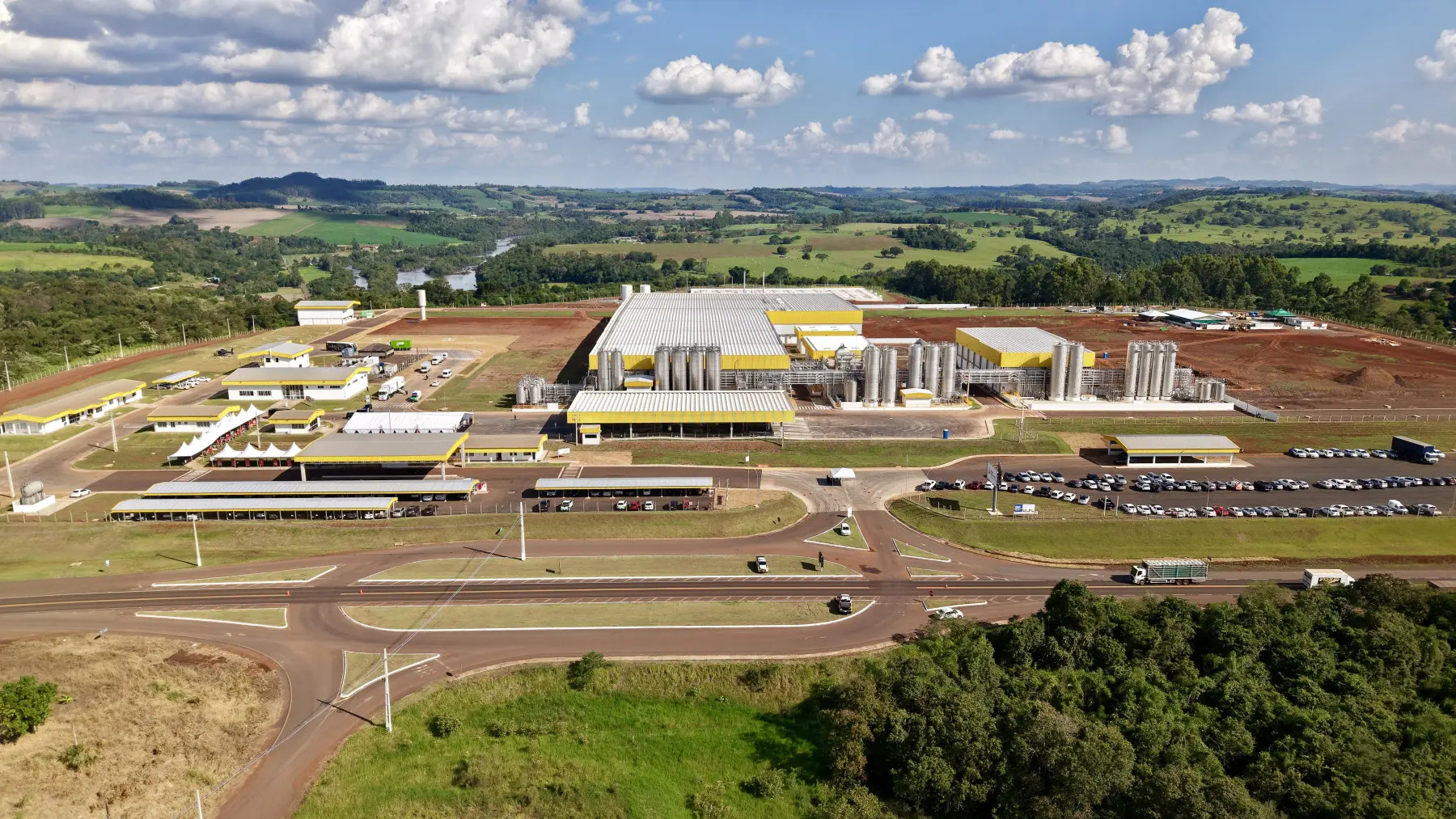
With an investment of R$ 612 million, a capacity to process 1.2 million liters of milk per day, Piracanjuba inaugurates a mega cheese factory that increases national production, reduces dependence on imports, and repositions Brazil on the global dairy map.
-
Brazilian city gains industrial hub for 85 companies that is equivalent to 55 football fields.

-
Peugeot and Citroën factory in Argentina cuts production by half and opens a layoff program for more than 2,000 employees after Brazil drastically reduced purchases of Argentine vehicles.


In addition to Petrobras, Acelen, the company that controls the Mataripe Refinery in Bahia, also reduced the price of QAV by 2.3% this Wednesday. This reduction is good news for the airline sector, which has been facing difficulties due to the COVID-19 pandemic.
With the reduction in the price of aviation kerosene, airlines will be able to cut their operational costs and possibly pass these benefits on to passengers. This may result in cheaper airfare and encourage an increase in demand for air travel.
This reduction in QAV prices could also have a positive impact on Petrobras’s stock market performance. With a reduction in production costs and a potential recovery in the aviation sector, the company’s shares may appreciate significantly.
Therefore, this reduction in the price of aviation kerosene is positive news for both airlines and Petrobras. It is important to keep an eye on market movements and the company’s actions to take advantage of possible investment opportunities.







Seja o primeiro a reagir!