Portuguese
  Spanish


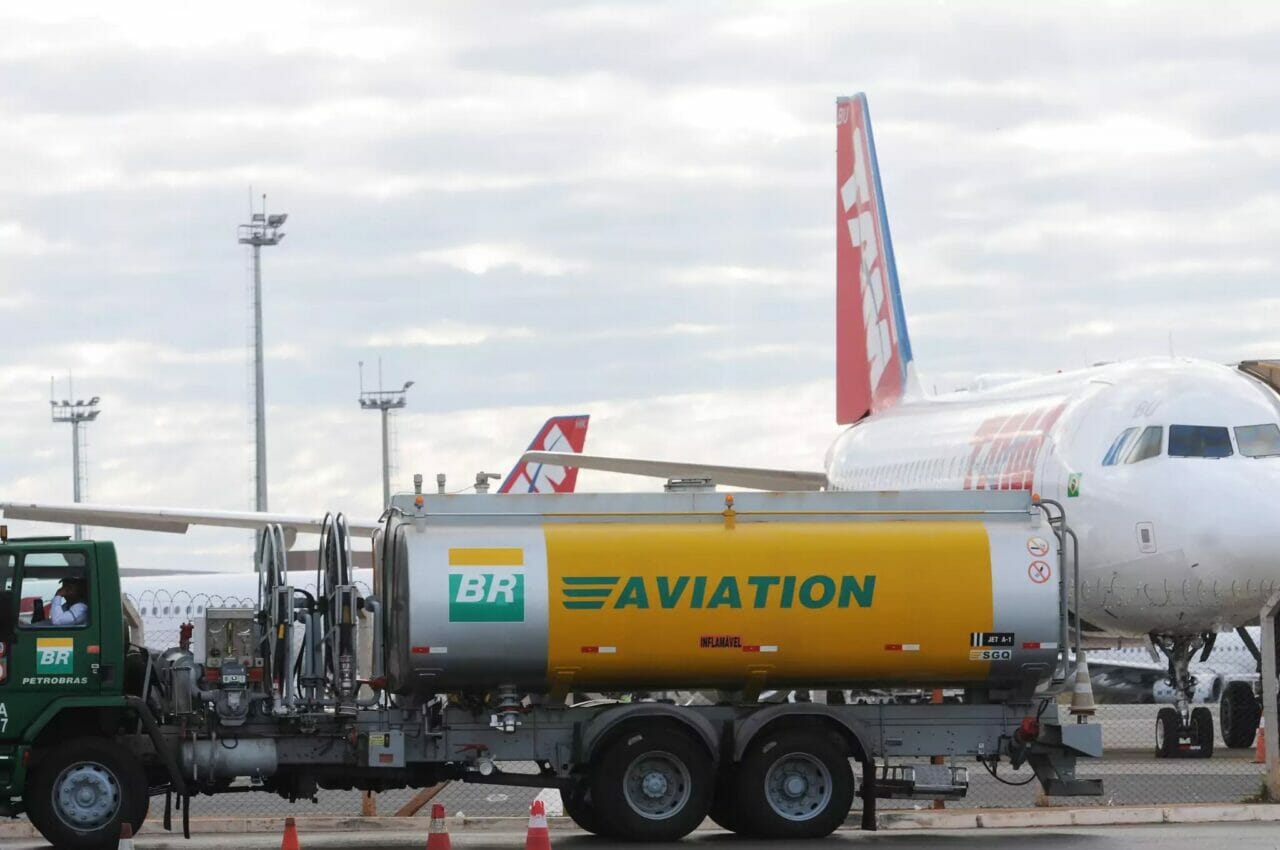

As A Result Of Rising Fuel Prices, Airfare Values May Increase. This Is Another Measure Adopted By Petrobras Amidst The High Oil Market.
Amid the fluctuations in the international oil and natural gas market, Petrobras is taking another measure to control gasoline and diesel prices. Last Tuesday (01/08), the company raised aviation kerosene prices in Brazil by 4.3%. Although necessary to control the balance, the oil company’s measure may cause an increase in airfare across the country in the coming weeks.
Petrobras Raises Aviation Kerosene Prices By 4.3% In The Brazilian Market
Taking new directions in the national oil and gas sector, Petrobras resists adjusting gasoline and diesel prices and decides to pass on the recent increase in international oil prices to other segments.
On Tuesday, the oil company announced a 4.3% increase in aviation kerosene prices. This fuel is one of the components that influence airfare prices.
-
Starnav orders 10 hybrid vessels with German MTU engines in Itajaí and prepares fleet to serve Petrobras in the pre-salt for 12 years.

-
The Chamber releases R$ 10 billion to hold the price of diesel until December and proves that Brazilian fuel remains tied to Congress.
-
It’s official: Petrobras takes 75% of block 3 in São Tomé and Príncipe and debuts as an offshore operator outside South America.
-
With a record production of nearly 3 million barrels per day, Petrobras resumes importing diesel in July, highlighting the bottleneck in Brazilian refining.


Monthly, the sales contracts for aviation kerosene are adjusted according to fluctuations in the international market.
In July, Brent crude oil, a reference traded in London, recorded a cumulative increase of 13%.
This puts Petrobras under pressure to also adjust gasoline and diesel prices, as these fuels are already lagging behind international quotations.
Even in the face of pressure, Petrobras issued a statement asserting that it still sees uncertainties and does not wish to pass on volatilities to Brazilian consumers.
The president of the state-owned company, Jean Paul Prates, denied on social media any government pressures to maintain prices and emphasized that President Lula did not veto or order any conduct from the company.
“The leadership of President Lula and the implementation of the government program endorsed at the polls conceptually guide the philosophy of the current management, while safeguarding all applicable governance, compliance, and cost-effectiveness rules for a mixed capital state-owned company,” Prates concluded.
Difficulties In Gasoline Refining Scenario Impact Petrobras Decisions
The challenges in the international oil and gas market have led Petrobras to take quite ambiguous measures in the Brazilian scenario.
Analysts from Goldman Sachs released a report warning that Petrobras’ gasoline refining margin is close to zero.
This means the company is facing difficulties in this sector, which may have implications for fuel prices.
Despite the challenges in gasoline refining, Petrobras benefits from rising oil prices, which inflate profits in its exploration and production area. This factor may help to mitigate some of the adversities faced by the company.
Experts have warned that very low prices may create market distortions, bringing losses to both Petrobras and ethanol producers.
This situation was observed during Dilma Rousseff’s government, highlighting the importance of a balanced pricing policy.
In the current scenario of adjustments in various fuels, the company’s decisions may have significant impacts on the market.
With the increase in aviation kerosene prices, airfares may suffer impacts on their values, as fuel is a significant component in the cost makeup of trips.
Consumers may face a scenario of possible increases in airfare prices in the upcoming periods.
Now, it remains to wait for Petrobras’ next steps regarding the fuel sector in the national territory.