





 Portuguese
  English
  Spanish
  3 min of reading


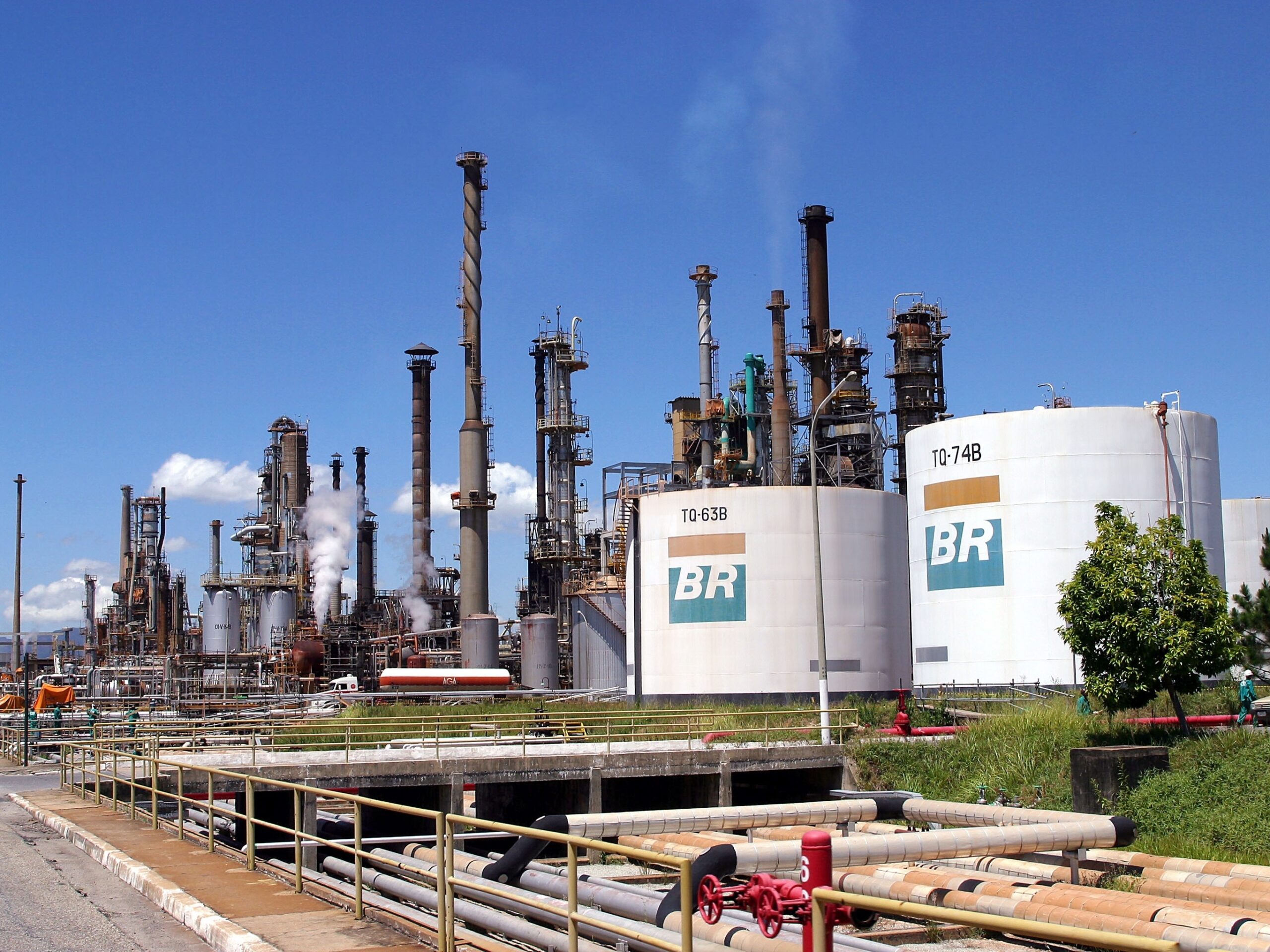
Petrobras Announced It Is Able to Process an Additional 500 Thousand Barrels/Day of Crude Oil Without the Need to Build New Refineries. The Company Aims to Increase the Capacity of Its Existing Refining Plants in the Domestic Market.
The Director of Industrial Processes and Products at Petrobras, William França, commented on the company’s expectations for the refining market. He stated that the oil company can expand its refining capacity between 400 thousand and 500 thousand barrels/day solely with investments in the existing refineries. Thus, it is already mobilizing with new initiatives in states like Pernambuco and Mato Grosso do Sul.
Investments in Refineries Can Expand Refining Capacity by Up to 500 Thousand Barrels/Day
Petrobras, the Brazilian state oil company, revealed last Friday (05/13) that it sees space to process an additional 500 thousand barrels/day of crude oil without building new refineries.
The Director of Industrial Processes and Products at the company, William França, said that the potential capacity increase is equivalent to two new refineries the size of the Duque de Caxias Refinery (Reduc) in Rio de Janeiro.
-
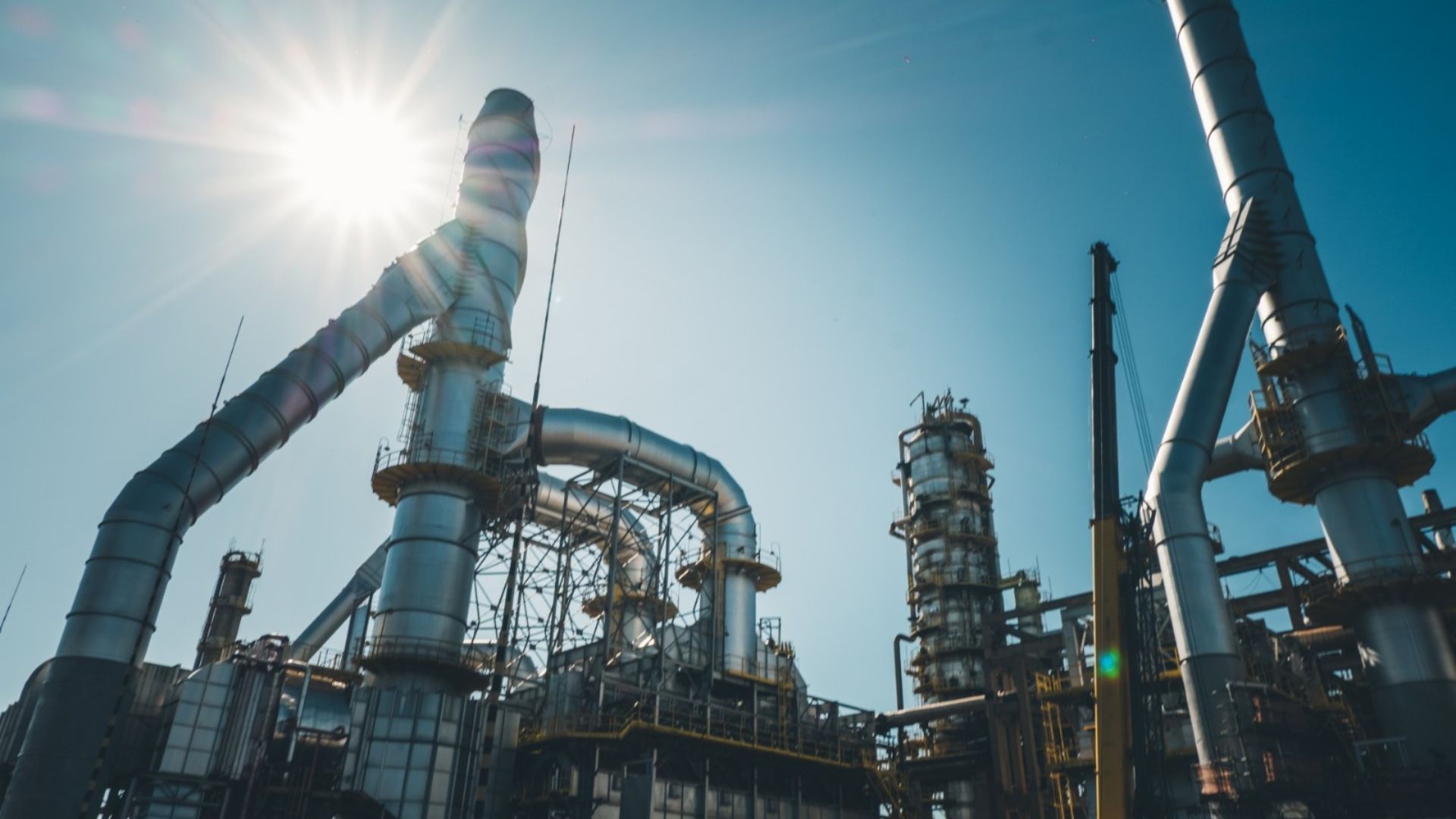
Petrobras Expands Refining in Brazil, Increases Production of Diesel S-10 and Gasoline, Enhances Operational Efficiency, and Reduces Import Dependence Between 2023 and 2025
-
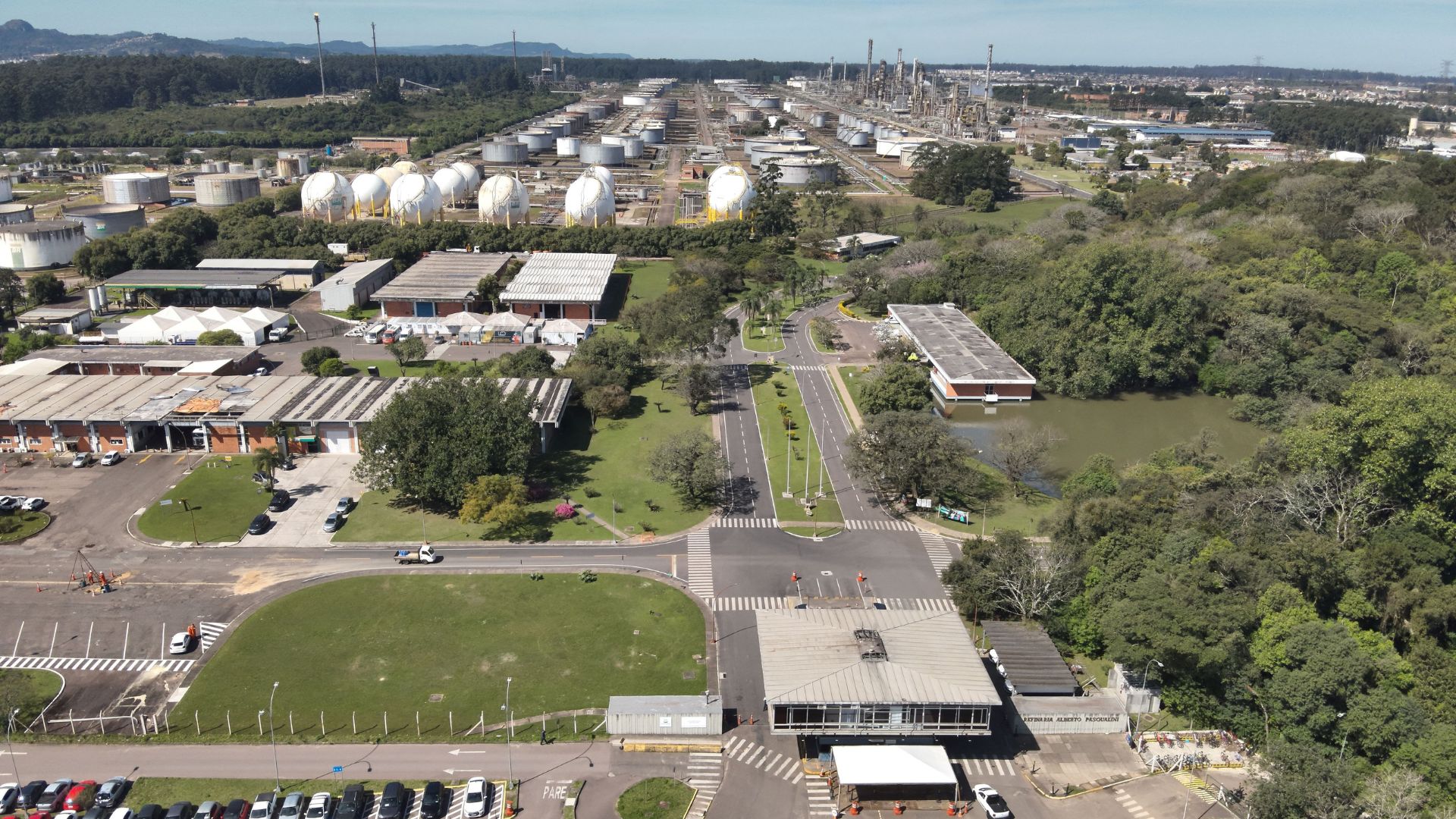
Petrobras’ Refap Sets Historic Records for Gasoline and S-10 Diesel Production in Canoas in Q4 2025, Surpassing Previous Figures
-
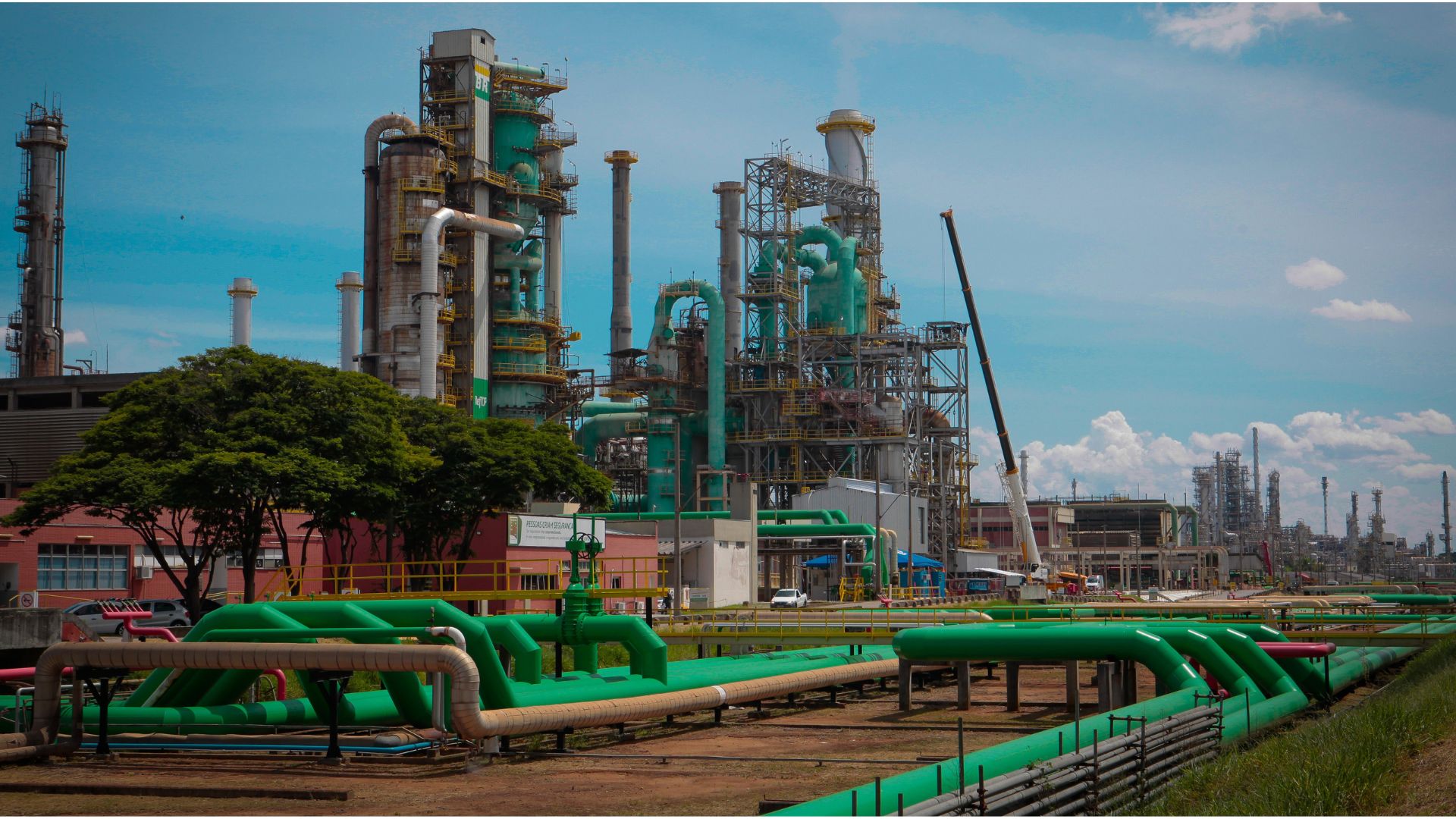
Revap Starts Operation of Modernized HDT and Petrobras Expands S-10 Diesel Production by 80% at the Refinery, Boosting Supply of Less Polluting Fuel in Brazil
-
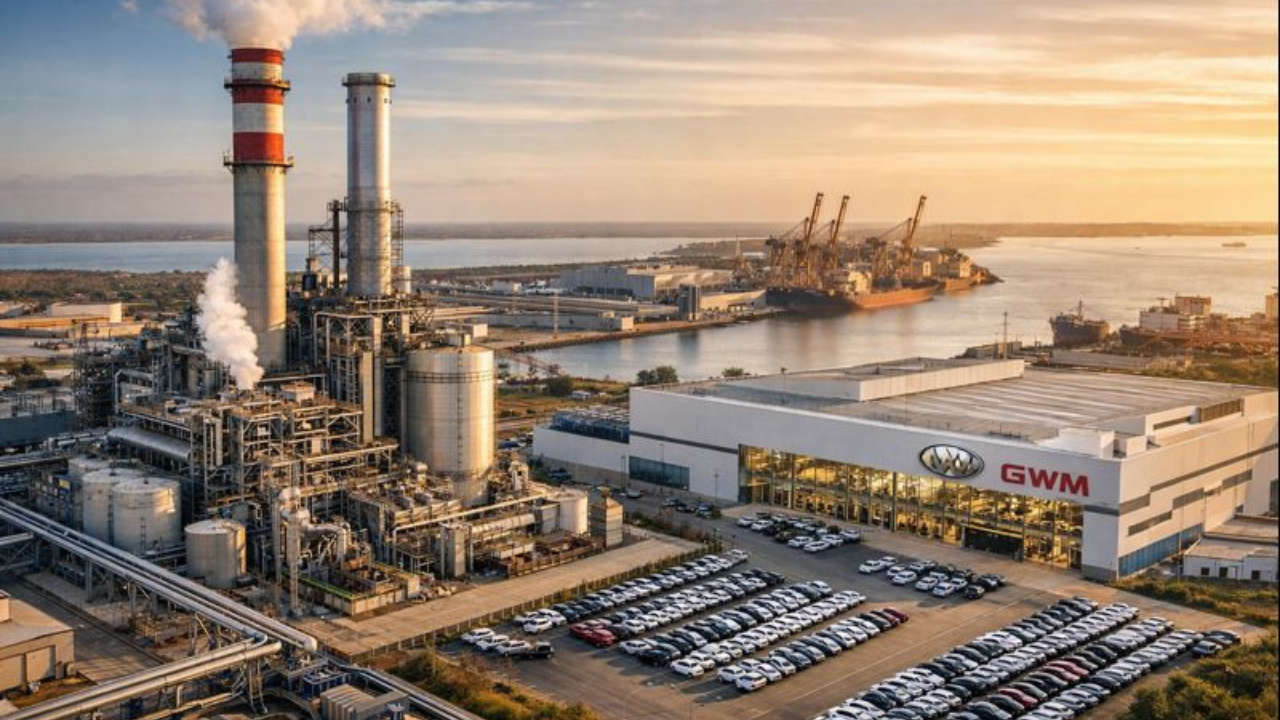
Thermal Power Plant in Rio Grande do Sul Is Key to Attracting GWM

França mentioned that the company is in talks with its economic department to enable new investments, but did not provide details regarding the specific projects being considered.
The company’s current business plan, approved in 2022, already anticipates investments of US$ 4.3 billion in expansion between 2023 and 2027.
However, the new management at Petrobras is reassessing the company’s strategic planning, and it is possible that new projects may be incorporated into the market.
In addition to increasing its refining capacity, Petrobras is also looking to enhance the utilization factor of its existing refineries.
In the first quarter of 2023, the utilization factor of the company’s refineries was 85%. However, França stated that the company has no new scheduled shutdowns for maintenance in the coming months and expects the utilization factor to rise above 90%.
The company’s decision to focus on increasing the utilization of its existing refineries is an economical way to boost its production capacity.
The construction of new refineries would be a much more expensive proposition and would take several years to complete.
Petrobras Invests in Refining Capacity in the States of Pernambuco and Mato Grosso do Sul
Petrobras is making new investments in the states of Pernambuco (PE) and Mato Grosso do Sul (MS).
In April, the company finalized the contract for the expansion and modernization of Train 1 at Rnest, its refinery in Pernambuco.
The project will increase production capacity from 115 thousand barrels/day to 130 thousand barrels/day. Completion of the project is expected in 2024.
Petrobras is also beginning to operate a new derivatives marketing hub in Rondonópolis, Mato Grosso do Sul. The hub will be responsible for selling gasoline, diesel, and other products to the domestic market.
These investments are part of Petrobras’s strategy to increase its production and market share in Brazil. The company is also investing in new technologies and renewable energy sources.
The expectation is that the investments in PE and MS will generate jobs and stimulate the local economy. The state of Pernambuco already hosts the Abreu e Lima Refinery, one of the largest in Brazil. The new investments are expected to further strengthen the state’s position as an important player in the oil and gas industry.
Petrobras’s investments are a sign of the company’s confidence in the Brazilian refining market for the coming years.









Seja o primeiro a reagir!