





 English
  Francês
  Alemão
  Italiano
  Japonês
  Norueguês
  Portuguese
  Spanish
  4 min of reading


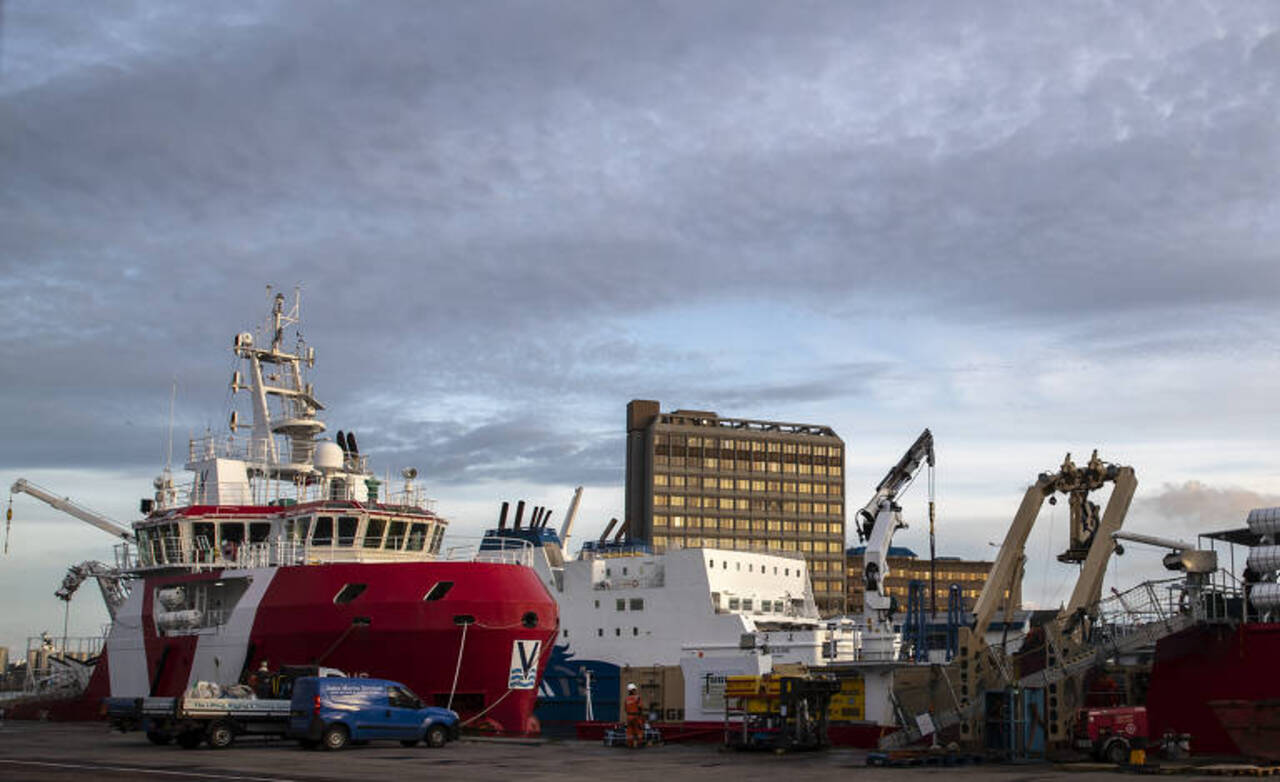
The Brazilian State Oil Company – Petrobras May Seek Access to Areas Along the Equatorial Margin of South America Through Guyana if Local Environmental Regulators Do Not Grant Licenses to Drill in the Amazon River Mouth Basin, CEO Roberto Castello Branco Said on December 3.
According to Castello Branco, Petrobras was invited by Guyana to participate in the neighboring country’s bidding rounds and can do just that if Brazilian regulators continue to lag. This would mean creating jobs and oil supplies for Guyana, not for one of the poorest regions of Brazil, Castello Branco said.
Read Also
“This has to be resolved,” Castello Branco said about the environmental licensing issues during an interview at the Rio Oil & Gas 2020 digital conference. “We have great oil prospects there and we are prohibited while Guyana is seizing a moment and opening up.”
“For Now, We Will Keep Investing in Brazil, but It May Be That We Go There Too,” Said Castello Branco of Petrobras
The warning came amid Brazil’s desire to open additional oil frontiers and diversify the country’s resource base as the development of the pre-salt region off the southeast Atlantic coast reaches critical mass. The equatorial margin of Brazil, which is partly covered by the Amazon River Mouth Basin, could have potential similar to Guyana’s Stabroek block, where a group led by ExxonMobil made 18 separate discoveries holding over 8 billion barrels of oil equivalent since 2015.
-
Brazilian giant expands borders in the Southeast: Petrobras confirms new oil discovery in ultra-deep waters in the pre-salt of the Campos Basin.

-
Alert in the global energy market: Severe tropical cyclone hits the coast and disrupts gas production at major plants in Australia, threatening global supply.

-
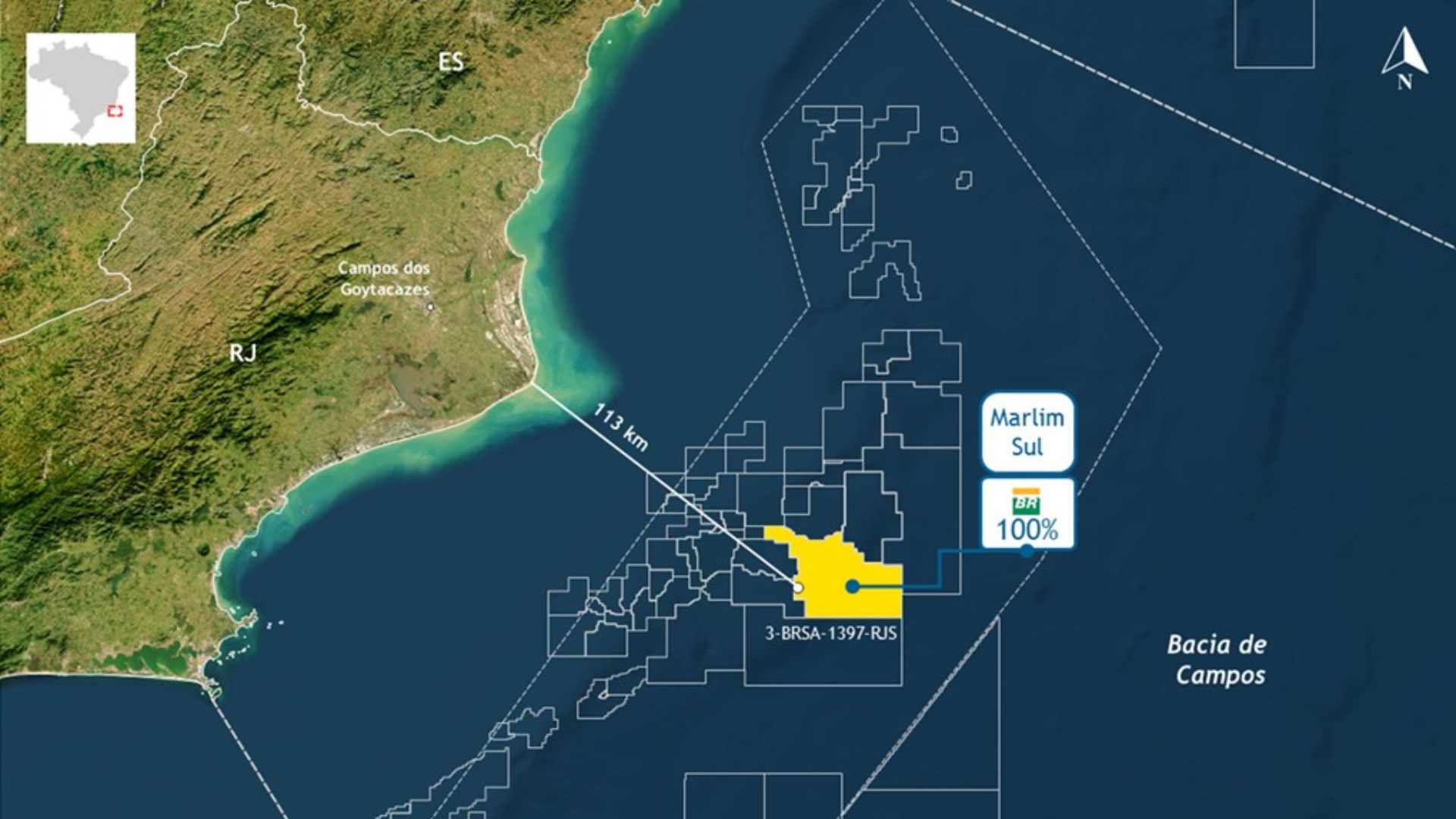
Petrobras finds high-quality oil in the pre-salt at 113 km from RJ and reignites expectations about strategic reserves in the Campos Basin.

-
Ocyan opens registrations for startups focused on innovation in the oil and gas sector and will select projects for Innovation Day with the support of Nexio.


Oil companies operating in Brazil have long complained about delays in obtaining drilling licenses and environmental impact reports approved by the environmental regulatory body IBAMA. The issue has been particularly acute in the offshore Amazon River Mouth Basin, as well as in onshore blocks sold as possible prospects for hydraulic fracturing, which has been largely blocked by lawsuits.
The National Petroleum Agency, or ANP, has been trying to alleviate concerns by working more closely with IBAMA before licensing rounds, in an effort to eliminate future worries about obtaining environmental licenses. Blocks approved for the ANP’s Open Acreage program, for example, need to have preliminary environmental reports approved before being included in the sale.
The issues led the French company Total to finally yield on September 7 the five blocks it operated in the Amazon River Mouth Basin after a failed six-year battle to obtain IBAMA’s approvals. Total then transferred its 40% operational stake in blocks FZA-M-57, FZA-M-86, FZA-M-88, FZA-M-125, and FZA-M-127 to Petrobras for an undisclosed amount on September 28. Petrobras then held a 70% operational stake in the blocks, with BP Energy retaining the remaining 30%.
Total Anticipated Drilling Seven Wells in the Blocks, Which the Company Acquired in Brazil’s 11th Bidding Round Held in 2013.
BHP Billiton also abandoned drilling plans in two blocks in the Amazon River Mouth in 2019, while BP Energy has also faced licensing issues in block FZA-M-59 in recent years. In October, BP transferred the operation of block FZA-M-59 to Petrobras. BP still holds 70% of the block, with Petrobras owning 30%.
Environmental groups have protested against oil drilling in the region following the discovery of an previously unknown coral reef in the murky waters of the Amazon River mouth. The groups stated that drilling could harm the reef and impact marine life in the area. The statements gained even more weight during the coronavirus pandemic, prompting companies to reevaluate environmental issues amid calls for greater reductions in greenhouse gas emissions to combat climate change.
Additionally, IBAMA raised concerns over Total’s emergency plans in the event of an accident, including coordination with neighboring countries during a potential oil spill.
However, Petrobras has decades of experience dealing with Brazilian regulators and significant influence at the government level, which has led many industry officials to expect a quick resolution to the drilling dispute. Petrobras also included US$ 1 billion in investments aimed at the Amazon River Mouth Basin and the equatorial margin of Brazil in its recently launched US$ 55 billion spending plan for 2021-2025.







Seja o primeiro a reagir!