





 Portuguese
  English
  Spanish
  3 min of reading


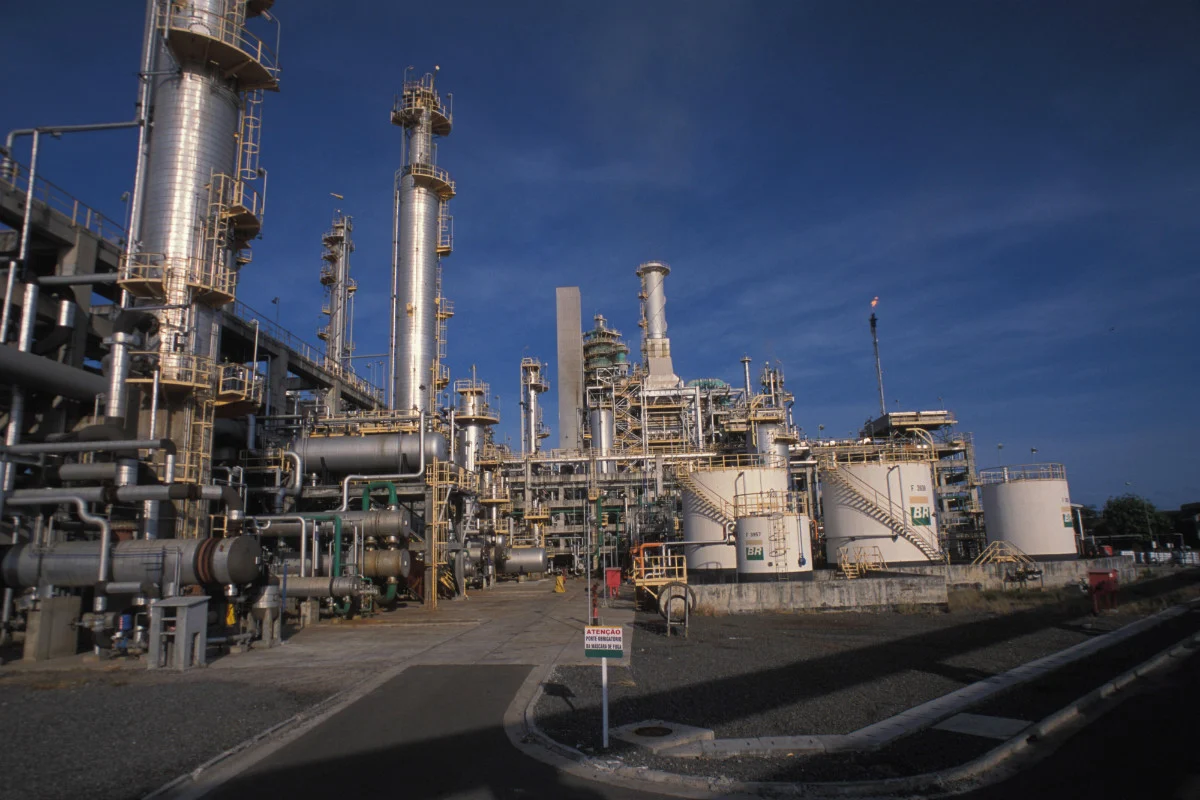
Petrobras Aims to Renegotiate the Terms of Commitment to Cease (TCCs) Signed in 2019 with Cade, Which Provided for the Sale of Refineries and Natural Gas Assets.
This commitment aims to stimulate competition in the domestic refining and natural gas market. According to sources, the state-owned company and the agency are already in talks for a meeting. The pursuit of a renegotiation stems from the current scenario of economic and political changes in the country, which led to government plans to expand investments in refining and create a transition to a free natural gas market.
The signing of agreements in 2019 suspended the administrative inquiries investigating alleged abuse of dominant position by the state-owned company. Plans are expected for expanding investments in refining and pipeline networks to drain gas from offshore oil fields, such as those in the pre-salt layer.
However, it is essential that Petrobras provides details on how its fuel pricing policy will work, as since 2016, the company has been using parity with the international market, that is, the Import Parity Price (IPP), as its fuel pricing policy.
-
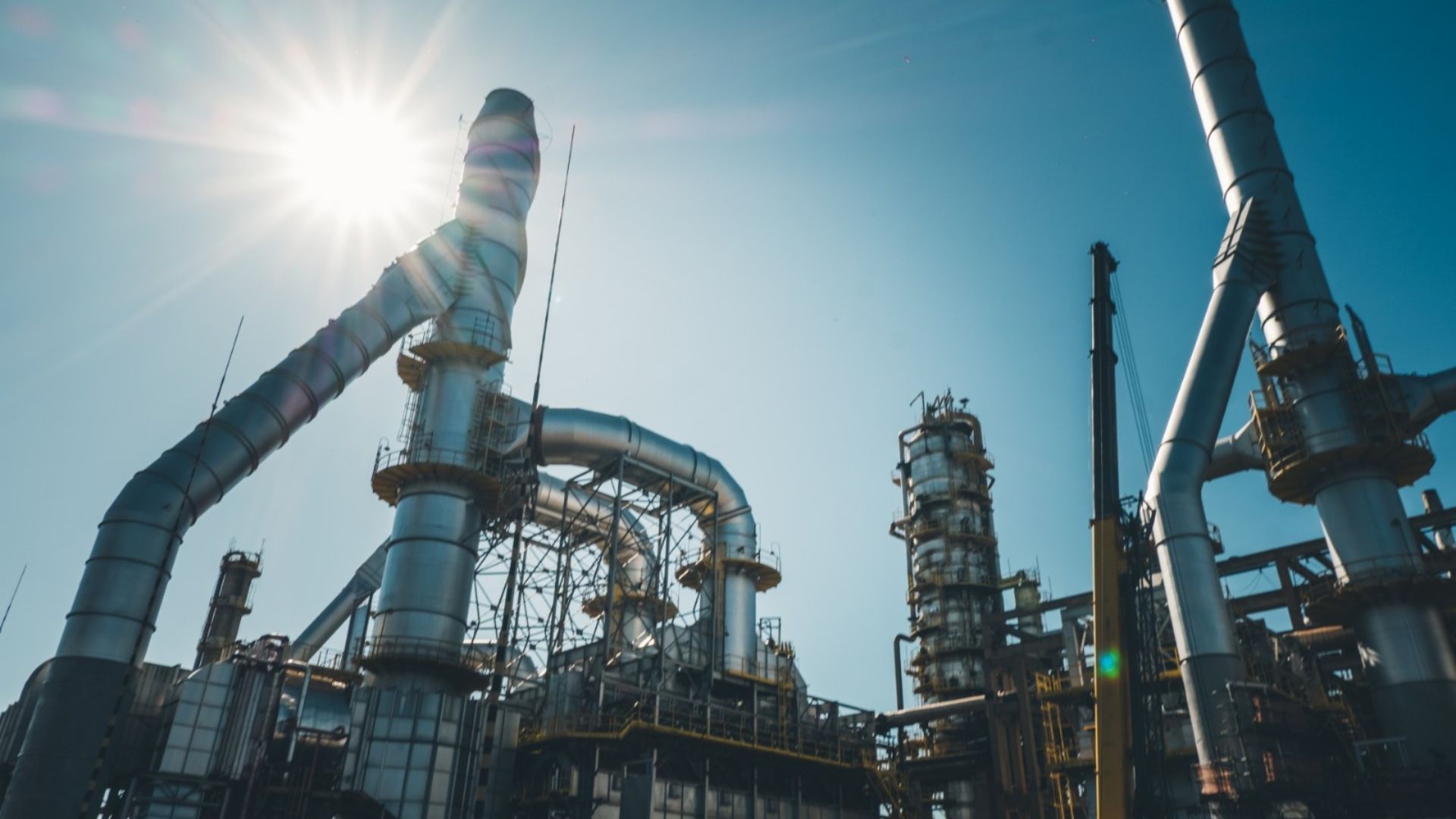
Petrobras Expands Refining in Brazil, Increases Production of Diesel S-10 and Gasoline, Enhances Operational Efficiency, and Reduces Import Dependence Between 2023 and 2025
-
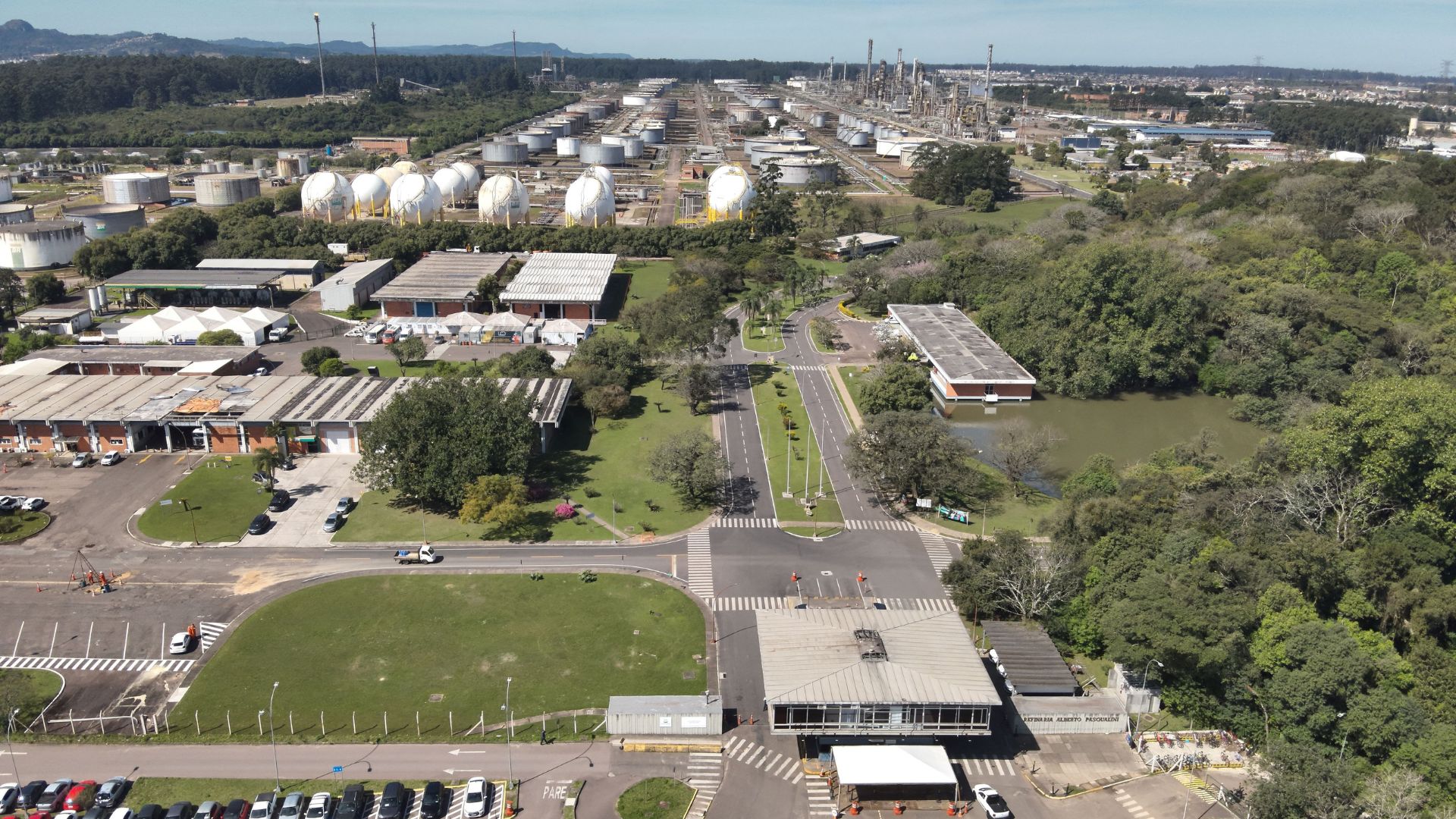
Petrobras’ Refap Sets Historic Records for Gasoline and S-10 Diesel Production in Canoas in Q4 2025, Surpassing Previous Figures
-
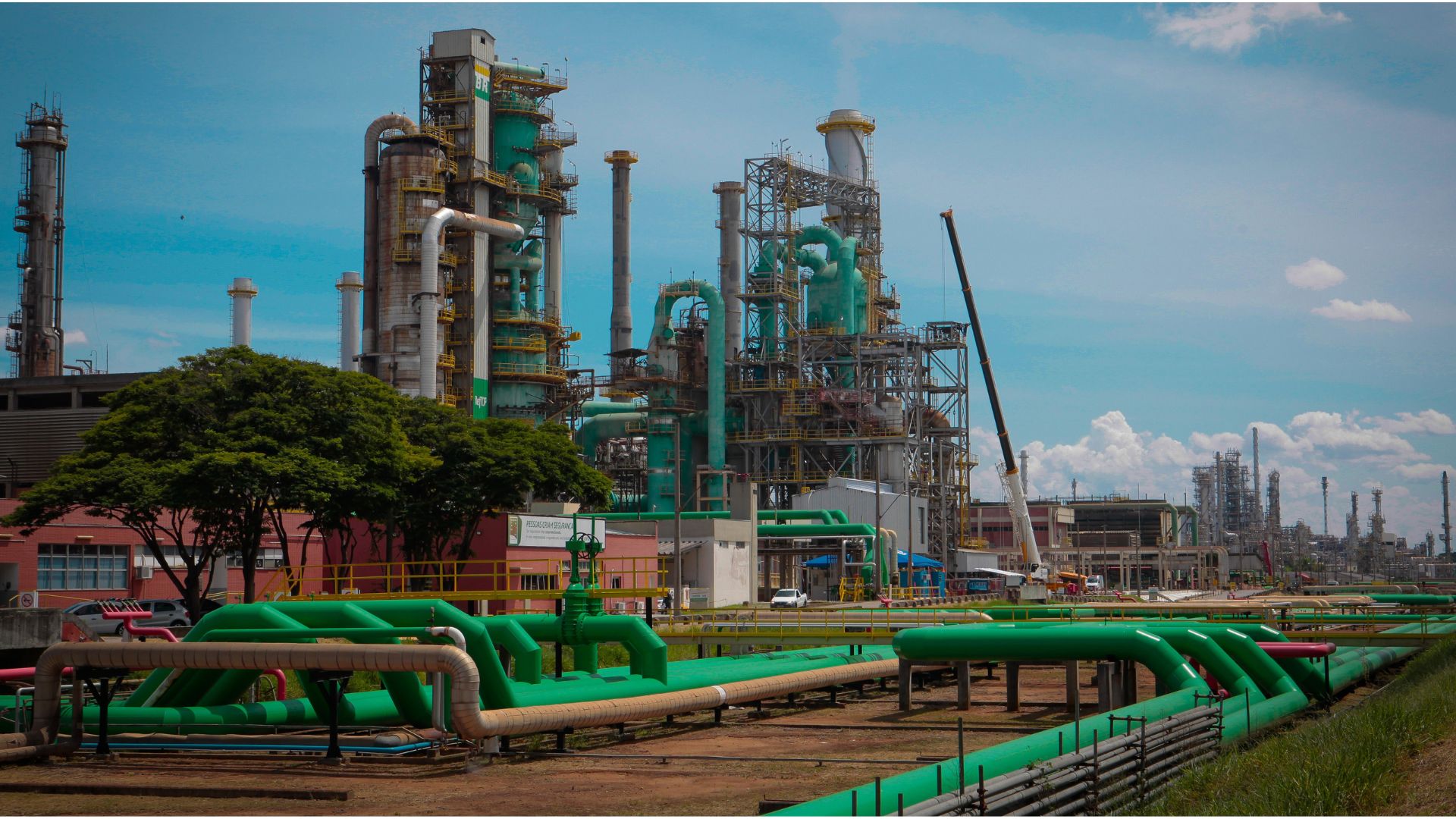
Revap Starts Operation of Modernized HDT and Petrobras Expands S-10 Diesel Production by 80% at the Refinery, Boosting Supply of Less Polluting Fuel in Brazil
-
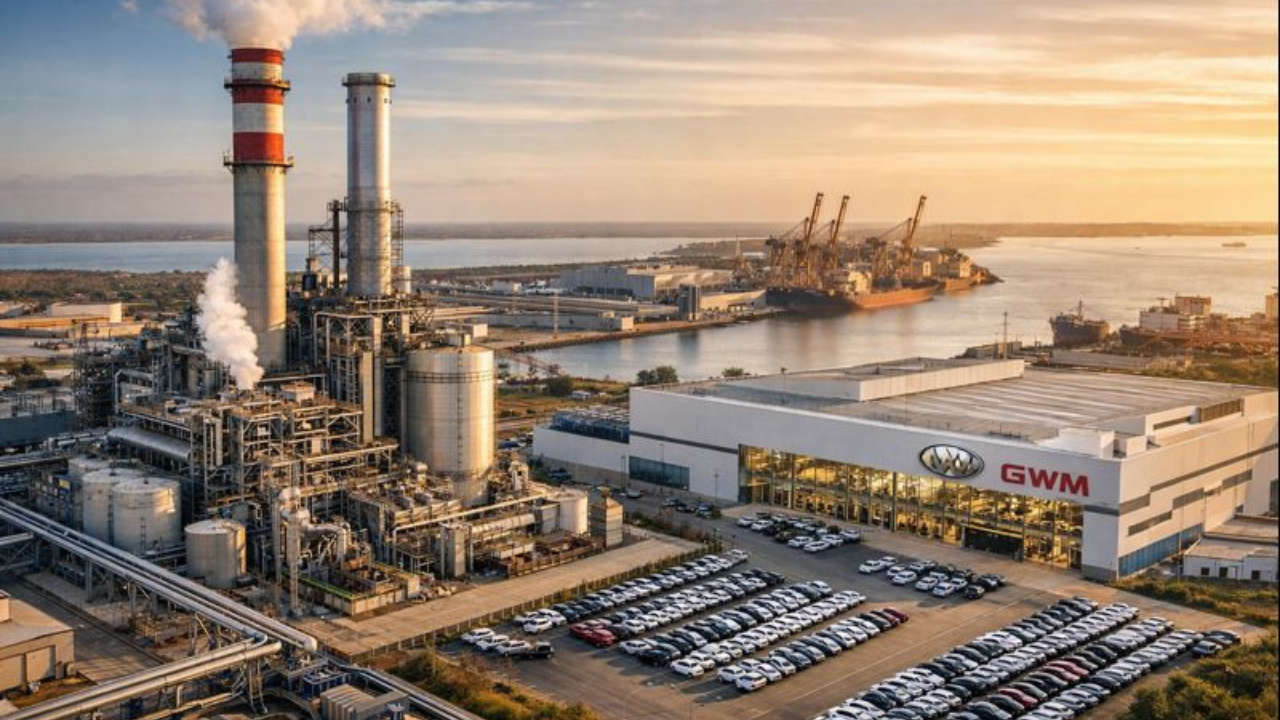
Thermal Power Plant in Rio Grande do Sul Is Key to Attracting GWM
Agreement Signed with Cade for Sale of Refineries
In the agreement signed with Cade, Petrobras had committed to selling eight units, which accounted for half its capacity, but it only divested four of them. The state-owned company has been negotiating since 2020 to extend the deadline for selling the others.
The Refina Brasil, a newly formed association that brings together refineries from six Brazilian states, hopes that Cade will lead Petrobras to adopt an equitable approach between its refineries and independent ones, and that there will be transparency in the sale conditions of the state-owned company’s oil to independent companies. An inquiry is being conducted by Cade to investigate the conditions for oil sales by Petrobras.
TCC Related to the Gas Market
In the TCC related to the gas market, Petrobras has already disposed of TAG and NTS, two of the largest gas pipelines in the country, and Gaspetro, a subsidiary controlling state gas concessionaires in Brazil. It had launched a teaser in December 2020 to sell its 51% stake in Transportadora Brasileira Gasoduto Bolívia-Brasil (TBG), which operates the Brazil-Bolivia Gas Pipeline (Gasbol), but negotiations did not progress.
In addition to TBG, with 2,593 kilometers in Brazil, Petrobras had offered to sell its 25% stake in Transportadora Sulbrasileira de Gás (TSB), located in Rio Grande do Sul. The sales process did not advance.
Private Sector Movements Amid Changes
The private sector eagerly awaits Petrobras and Cade’s movements, as many companies may benefit from the renegotiation process. Abicom, the association of importers, was one of those responsible for initiating the process at Cade after questioning Petrobras’s abuse as a dominant agent in the fuel pricing with prices below international parity. Cade itself is also in a phase of changes. In the second half, four new counselors are expected to be appointed to the agency.








Seja o primeiro a reagir!