





 Português
  Inglês
  Espanhol
  6 min de leitura
  4 comentários


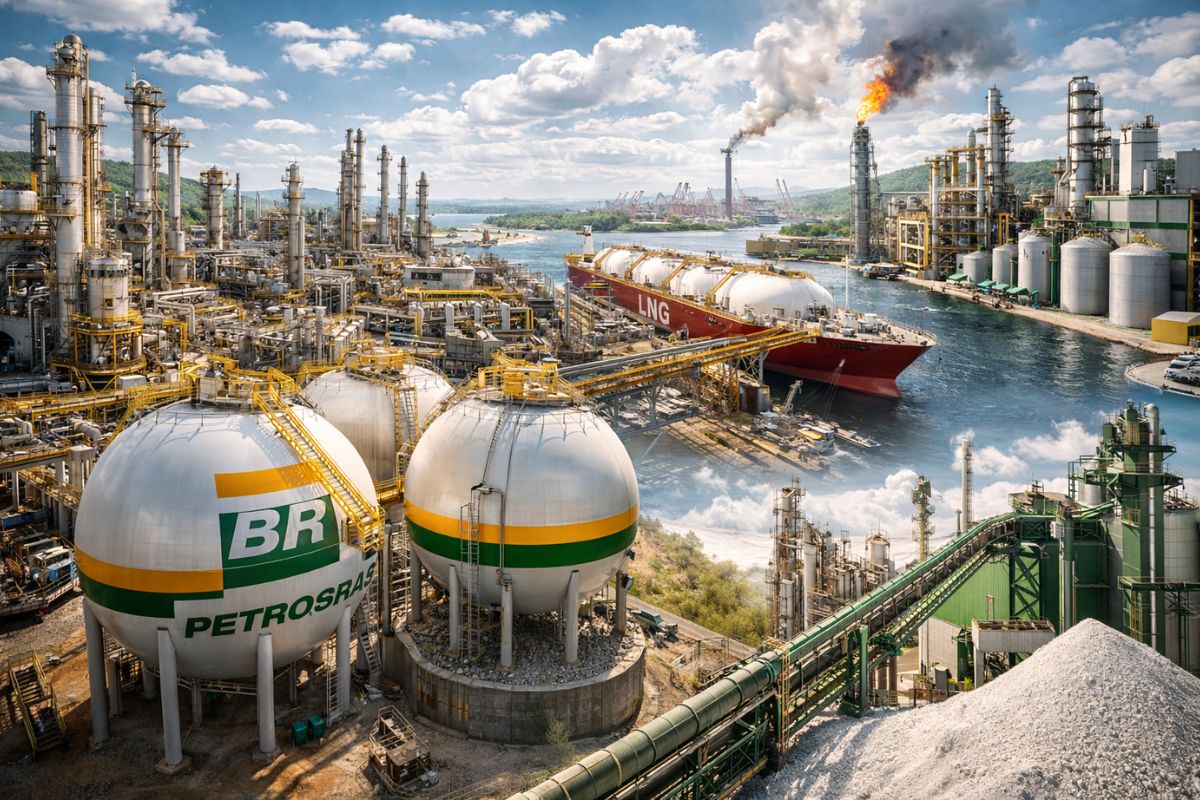


Redesigned Megaprojects by Petrobras Return to the Center of Industrial Policy in 2026, with Resumption of Works, New Technologies, and Focus on Reducing Diesel, Natural Gas, and Fertilizer Imports.
The industrial megaprojects that for years became synonymous with waste, stagnation, and uncertainty are beginning to gain a new chapter in 2026. Petrobras is reconfiguring its industrial policy and resuming billion-dollar works that were left unfinished for almost a decade, in a move that could redefine Brazilian energy infrastructure and reduce external dependence on critical items.
Over time, works such as the expansion of the Abreu e Lima refinery, the transformation of the old Conerge, and the completion of UFN3 went through investigations, contract revisions, and deep strategic changes. The result was a country that, while seeing giant structures become concrete and steel skeletons, increased imports of diesel, natural gas, and fertilizers. Now, with the redesigned megaprojects, the promise is to resume productive capacity, technology, and predictability in sensitive sectors.
Abreu e Lima Returns to the Center of Refining with Train 2 and Expands Capacity
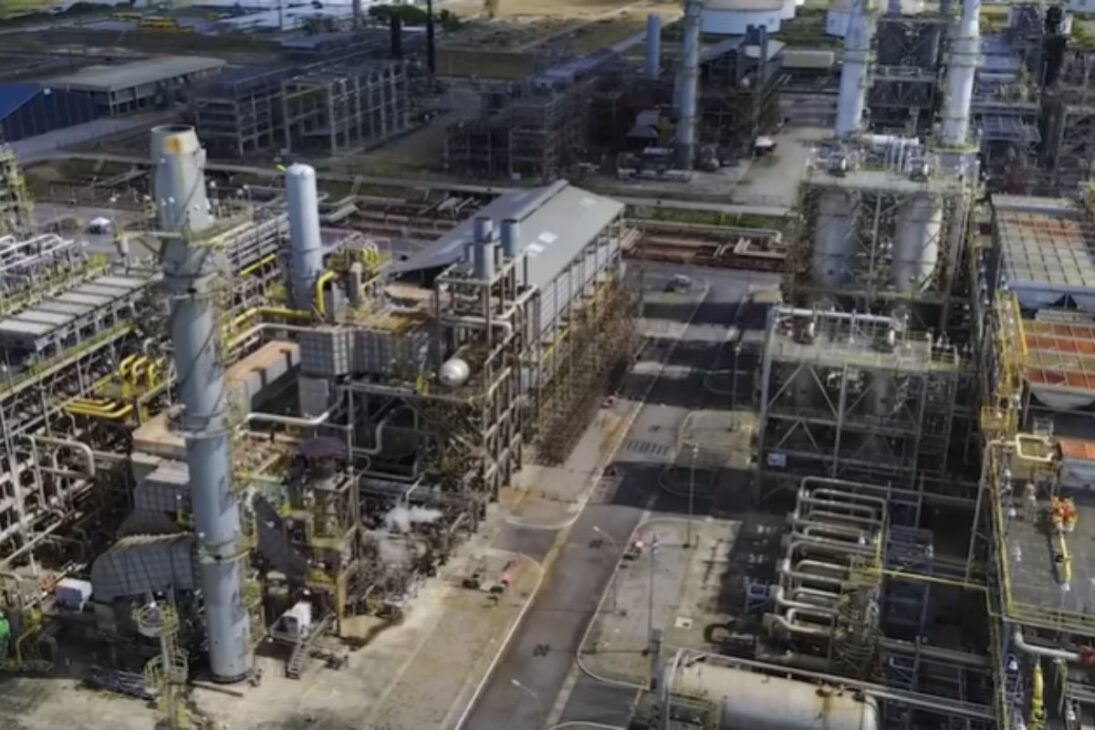
The Abreu e Lima refinery, located in the port industrial complex of Suape in Pernambuco, is presented as one of the most emblematic examples of industrial interruption in the country.
-
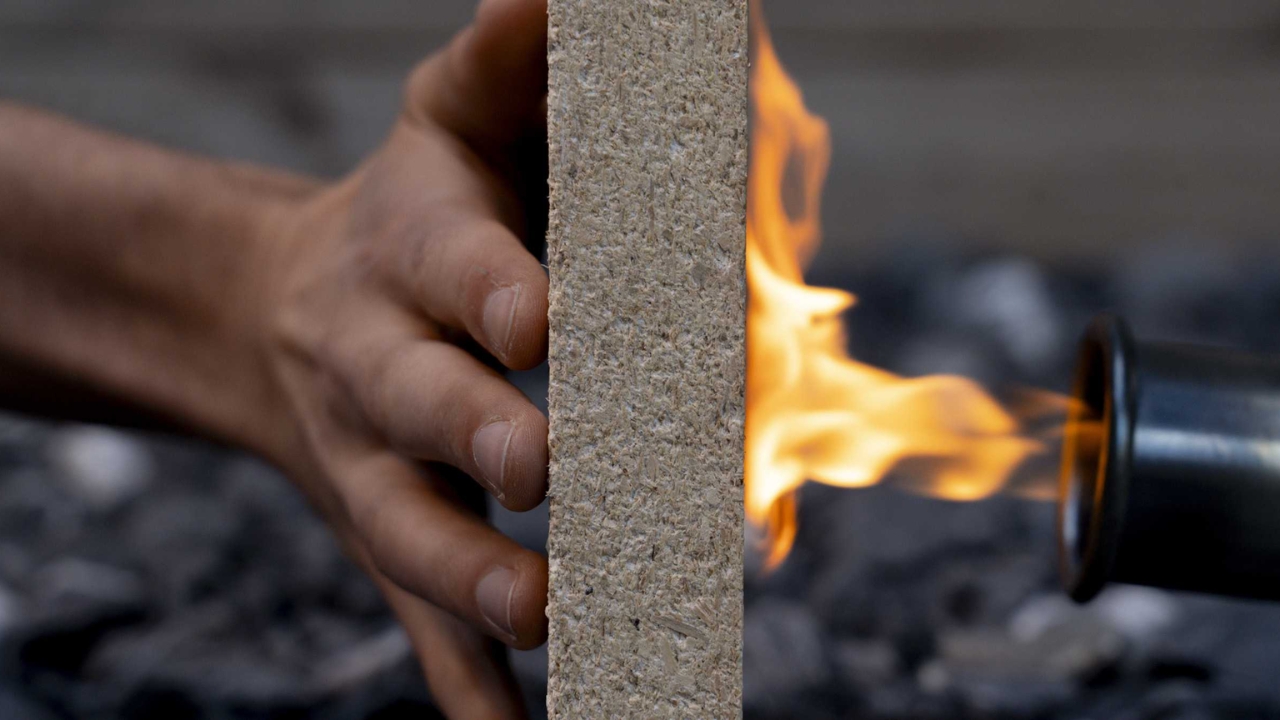
Scientists transform sawdust into fire-resistant panels, stabilize the compound with an enzyme extracted from watermelon seeds, and turn waste into promising material for construction.
-
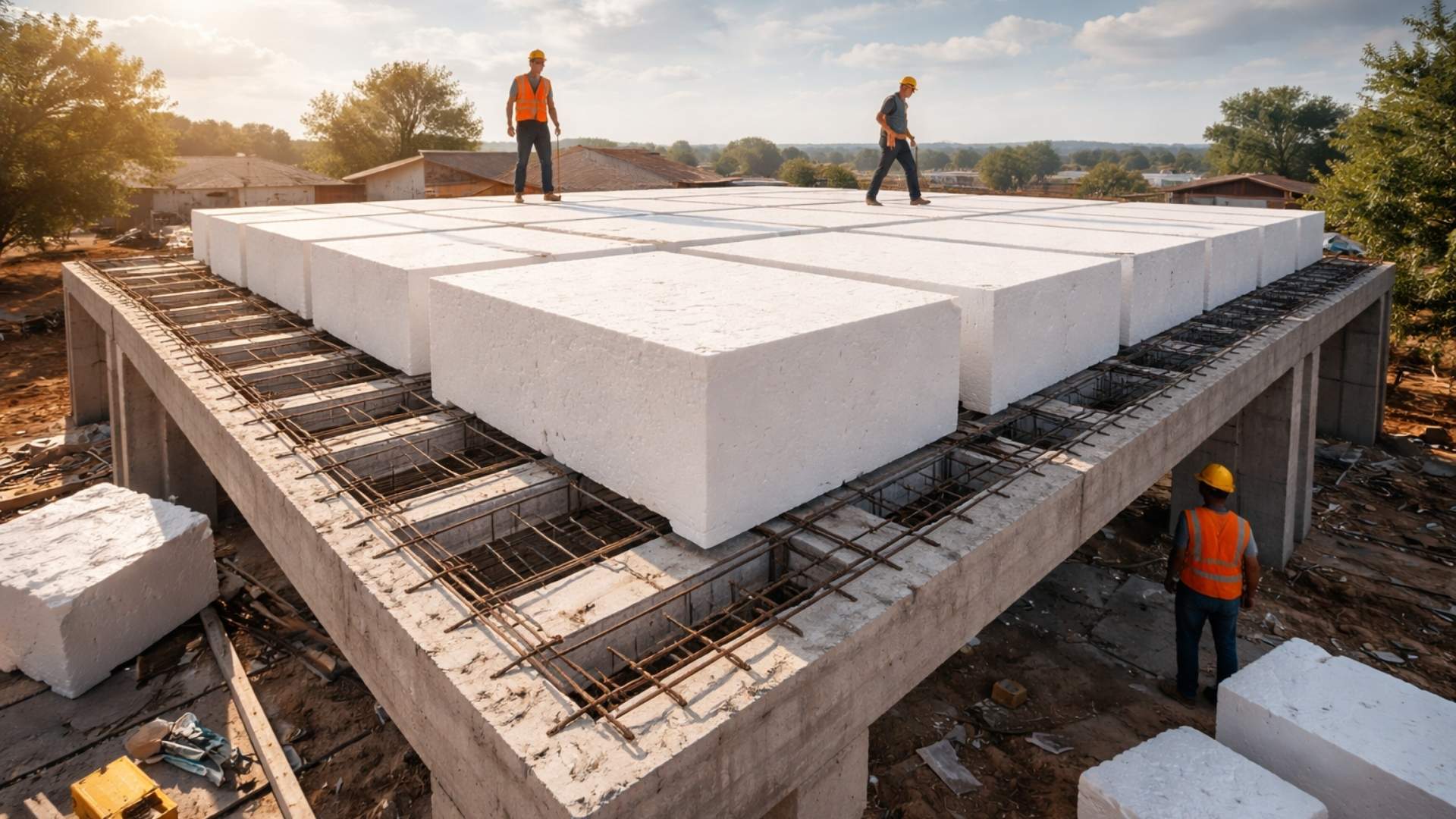
Forget concrete: architects are replacing tons of concrete with giant blocks of expanded polystyrene to build the roofs of houses and reduce structural weight by up to 50%, cut costs, improve thermal insulation, and speed up construction.
-
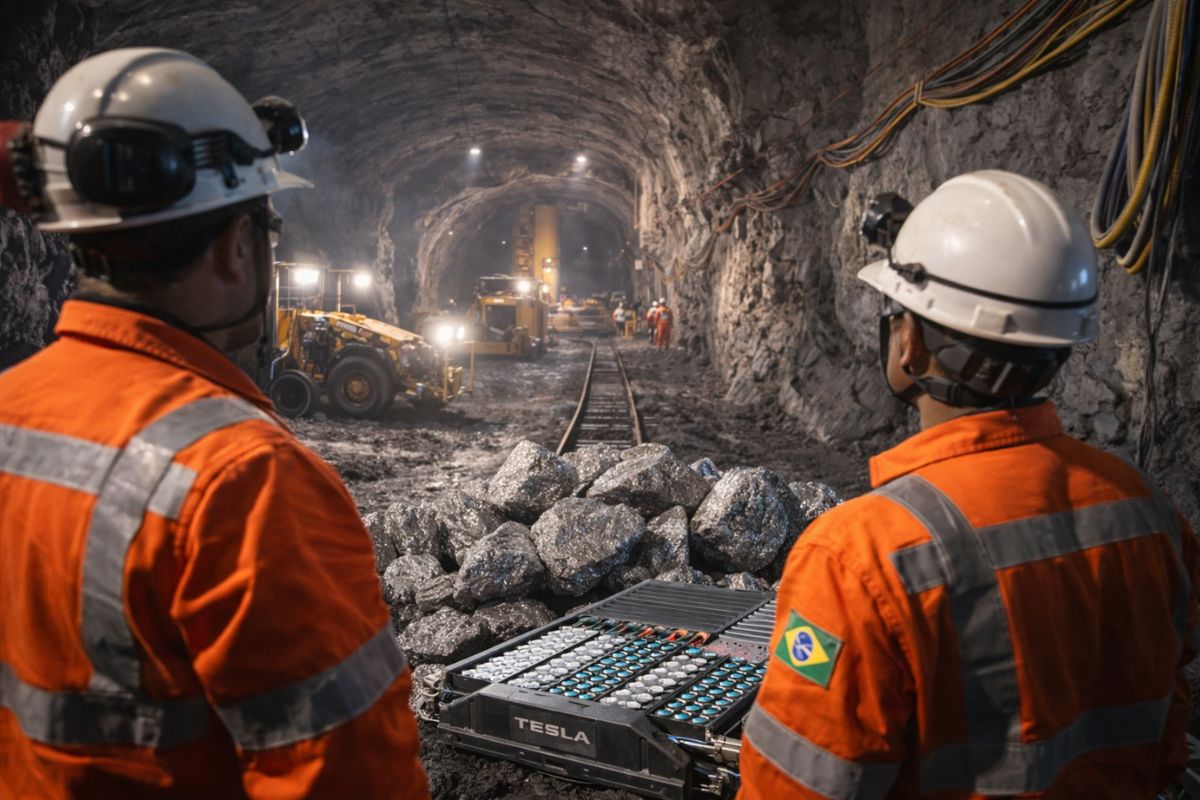
The Brazilian state enters the center of the global race for critical minerals by starting the construction of the largest underground nickel mine in Latin America, a mineral essential for electric car batteries that the entire world is competing for at this moment.
-
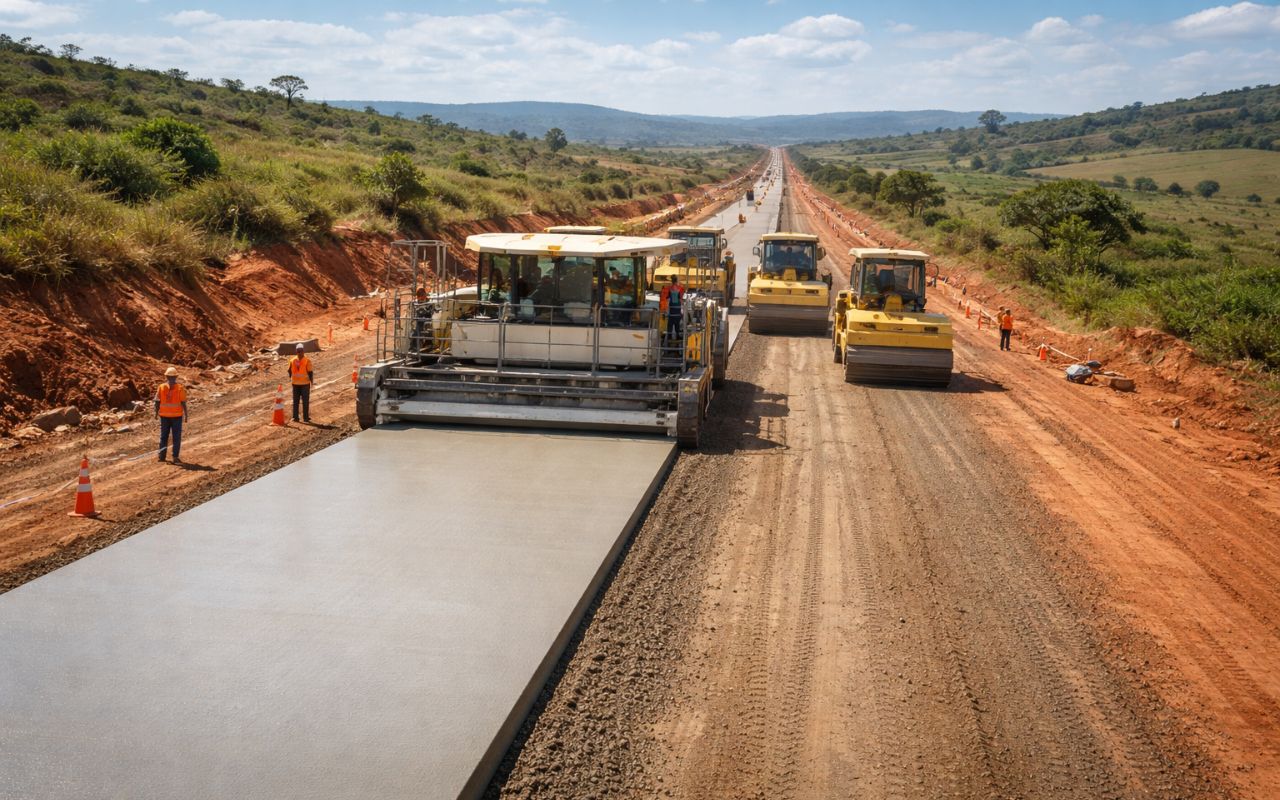
New CCR concrete paving technology promises roads up to 3x more durable, less maintenance, and cost reduction in Brazil.

Conceived as a large-scale binational project, the plant operated for years at only half of what was planned, because Train 1 came online, but the absence of Train 2 limited capacity and reduced economies of scale.
With the definitive resumption, Train 2 is now described as the largest refining construction site in operation in Brazil in 2026.
The redesign of this megaproject increases the total capacity of the refinery to 260,000 barrels per day, repositioning the unit within the national refining system and reactivating supply chains that had been structured for a continuous expansion cycle.
At the technical core of this expansion is the new atmospheric distillation unit designed to process 130,000 barrels per day, performing the initial separation of crude oil into fractions such as LPG, naphtha, kerosene, and gas oils.
The foundation highlights that this distillation serves as an operational backbone, delivering stabilized streams for subsequent stages.
Diesel S10, Hydrogen, and Coking Enter as Technological Axes of the Megaproject
The expansion also integrates the diesel hydrotreatment unit, designed for 82,000 barrels per day, aimed at removing sulfur and nitrogen compounds through catalytic processes under high pressure and temperature.
The goal is to ensure production of Diesel S10 within stricter environmental specifications, which raises the requirements for control, catalytic efficiency, and stable hydrogen supply.
For this reason, the new hydrogen generation unit becomes a direct connection to the system, supporting not only hydrotreatment but also future integrations with higher conversion routes.
Another fundamental axis is the coking unit with a capacity of 75,000 barrels per day, whose function is to convert heavy residues into higher value-added products, such as gas oils and petroleum green coke, increasing the conversion rate and reducing low commercial value fractions.
The foundation also points out that the refinery will operate with a high level of automation, with integrated digital distributed control systems monitoring critical variables in real-time, such as pressure, temperature, flow, and chemical composition.
This is likely to reduce operational risks and increase maintenance predictability, changing the refining operation pattern.
The Old Conerge Becomes the Boaventura Complex and Transforms Natural Gas into Large-Scale Infrastructure
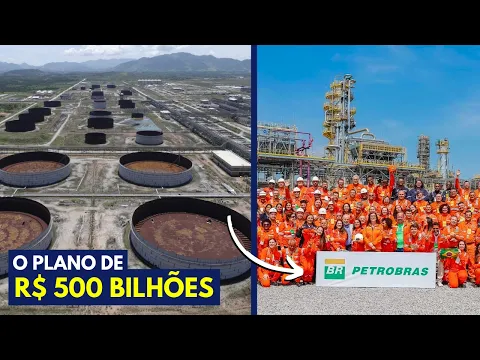
The venture known as Conerge carried for years the symbolic weight of one of the largest interrupted projects in Brazilian industrial history.
Marked by changes in scope and contract revision, the model originally aimed at petrochemicals became unviable given the transformations in the global derivatives market.
In the new strategic cycle, the asset is repositioned as the Boaventura Energy Complex, abandoning the logic of a traditional petrochemical hub to assume the function of a large center for processing and distributing natural gas.
The structural axis of this transformation is the Rota 3 system, described as a pipeline with 37 km of submarine stretch and 48 km of land stretch, connecting pre-salt reserves from the Santos Basin to the municipality of Itaboraí.
The mentioned offshore engineering involves advanced deep-water laying techniques, structural integrity control under high pressure, and continuous monitoring for stability in the maritime environment.
The direct connection to the pre-salt reduces logistical intermediaries and decreases dependence on LNG imports, structurally altering the gas supply in the Southeast.
Cryogenic Processing, Integrated Refining, and Lubricants Enter the Megaproject Package

Within the complex, the natural gas processing unit operates with two trains and a total capacity of 21 million m³ per day, performing cryogenic separation of methane and associated liquids such as ethane, propane, butane, and condensates, as well as controlled removal of CO2.
The process is described with cooling to extremely low temperatures, high-precision distillation columns, and integrated compression for efficient fractionation.
At the same time, the Boaventura Refining project marks a new industrial phase in the complex, with an investment of $9.6 billion and execution under EPC contracts.
The technical core includes a catalytic hydrocracking unit designed to produce between 75,000 and 76,000 barrels per day of Diesel S10, operating under high pressures and temperatures to break heavy molecules into higher value-added fractions, in addition to operational integration with the Duque de Caxias refinery.
Another technical differential is the dewaxing unit through hydrogen isomerization, aimed at producing group 2 lubricants with low sulfur content and higher thermal stability, a segment where Brazil relies heavily on imports.
The foundation also highlights sustainability guidelines such as using 100% reused water and modern effluent treatment systems.
UFN3 Returns to the Debate Due to Urea Dependency and the Technical Challenge of Resuming Stalled Construction
The nitrogen fertilizers unit 3, in Três Lagoas, Mato Grosso do Sul, is described as a silent symbol of structural vulnerability in the agricultural inputs sector.
The foundation points out that the country imports between 85% and 90% of the urea it consumes, exposing agribusiness to exchange rate fluctuations, international logistical bottlenecks, and geopolitical crises that affect global supply.
UFN3 was designed to mitigate this vulnerability, with a projected capacity of 3,600 tons per day of urea and 2,200 tons per day of ammonia, using natural gas as the central raw material.
When construction was interrupted, the foundation indicates 81% physical completion, with integration, commissioning, automation, and specific finalizations remaining.
The challenge of resuming this type of megaproject is not just reopening the site. It involves detailed inspections of metallic structures, pressure vessels, pipelines, and rotating equipment exposed to climate variations and possible corrosion.
Teams conduct integrity assessments, non-destructive tests, component reclassification, and updates to electrical systems, control panels, and software to meet current safety and efficiency standards.
Fragmented Bidding and Stricter Governance Try to Avoid Repeating the Past
To avoid contractual problems that marked old stoppages, Petrobras adopts a fragmented bidding model, dividing the completion of UFN3 into 11 distinct packages. The foundation describes packages that range from synthesis and ammonia units to auxiliary systems, electrical substations, automation, and urea granulation.
This fragmentation increases competition among specialized suppliers, reduces risk concentration in a single contract, and facilitates schedule and cost control, creating a more robust governance structure.
In the productive core, ammonia synthesis follows the traditional process in which nitrogen from the air reacts with hydrogen obtained from natural gas under high pressures and temperatures, using specific catalysts, reformers, high-capacity compressors, and reactors for continuous operation.
In the end, the simultaneous resumption of megaprojects in refining, gas, and fertilizers is not just about construction; it is an attempt to rebuild industrial capacity, reduce external dependence, and modernize technology after a period when billion-dollar structures were stagnant and the country increased imports.
And for you, is the reactivation of these megaprojects the turning point Brazil needed, or do you think the risk of delays and extra costs still outweighs?







Quero muito poder ver a refinaria prometida ao Maranhão, aquele mega projeto que não seguiu enfrente e hoje encontra-se paralisado, mas que pode sim ser reativado, chama-se Refinaria premium 1 de Bacabeira Maranhão.
SERÁ QUE COM ISSO A GASOLINA VAI BARATEAR E VÃO PARAR COM ESSA PILANTRAGEM DE COLOCAR ÁLCOOL NA GASOLINA?
Na competência da Petrobras eu confio, mas no PT, não. Não fosse a corrupção, essas refinarias estariam em operação há uma década e o país poderia, sim, ser autossuficiente em petróleo. O PT vai roubar de novo se reativarem qualquer projeto agora. E, se bobear, vão entregar parte pra JBS.