





 English
  Francês
  Alemão
  Italiano
  Japonês
  Norueguês
  Portuguese
  Spanish
  2 min of reading



According to Petrobras, both agreements establish the participation of each party and the rules for the joint execution of oil and natural gas production development operations.
On Wednesday, September 11, Petrobras reported that it was notified by the National Agency of Petroleum, Natural Gas and Biofuels (ANP) about the approval of the Individual Production Agreements (AIP) for the shared fields of Atapu and Sépia, in the Santos Basin. Earlier this month, the general manager of the Exploration and Production Operations Unit of the Santos Basin at Petrobras gave a lecture on Petrobras’ investments in the region.
The AIP is celebrated in situations where the fields extend beyond the granted or contracted areas, according to the regulation of the regulator ANP.
-
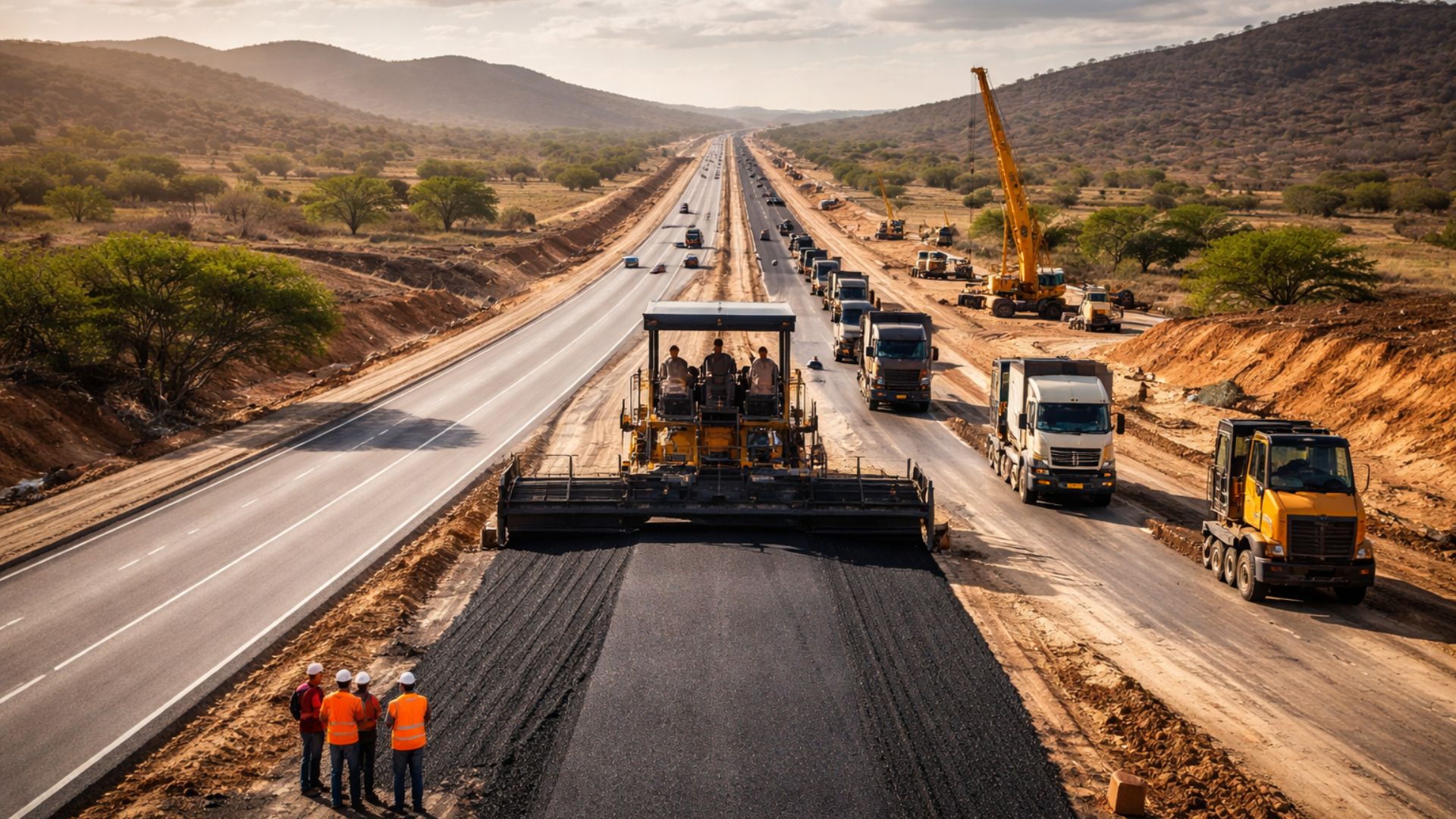
Government unlocks R$ 554 million for a highway that has been requested for decades and accelerates the duplication of BR.
-
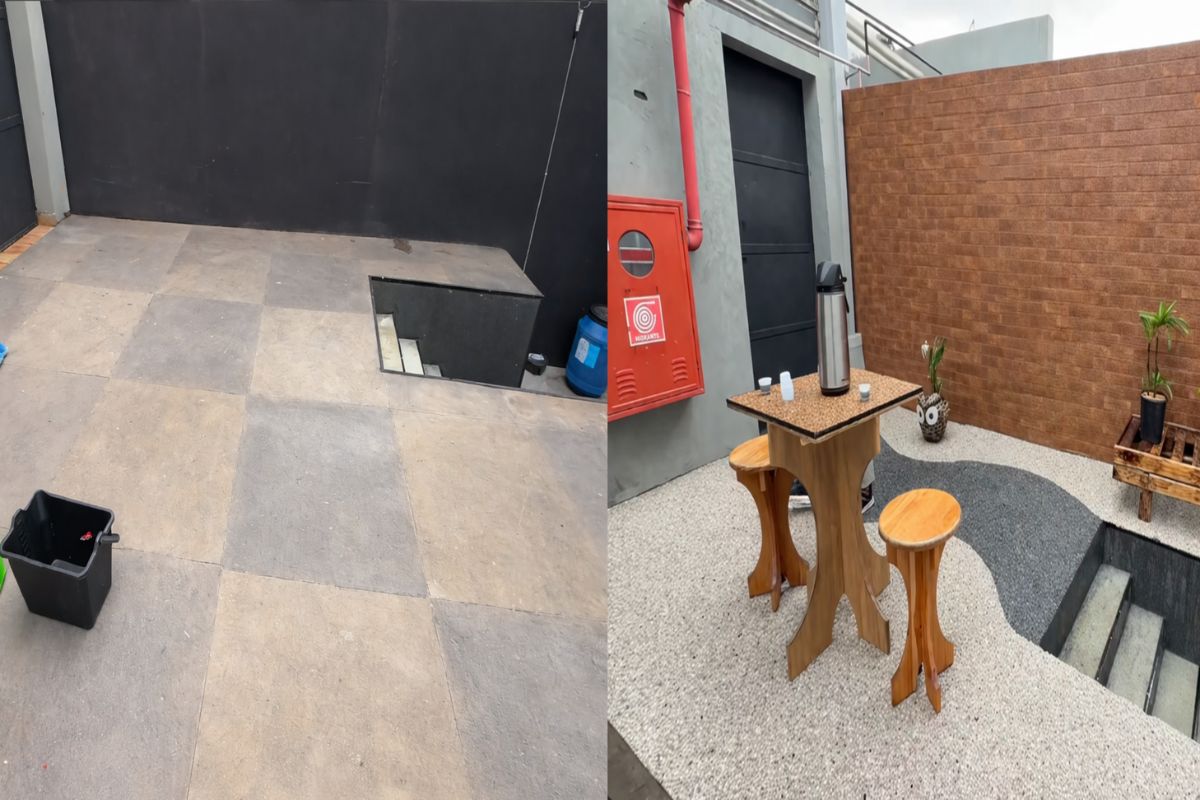
Without bricks, without cement, and without endless construction: the cardboard house that is assembled in modules and can be moved.

-
Billions of barrels on the equatorial margin could lead Amapá to double its oil production in Brazil — the state aims to enter the route of companies in the Campos Basin, attract investments, and boost jobs and businesses in the oil and gas sector.

-
Without bricks, without cement, and without endless construction: the cardboard house that is assembled in modules and can be moved.

With the AIP, Petrobras, the operator of the Atapu area, now holds 89.257% of the field; Shell Brasil, 4.258%; Total E&P Brasil, 3.832%; Petrogal Brasil, 1.703%; and Pré-sal Petróleo (PPSA), 0.950%.
In the case of Sépia, with the AIP, Petrobras (operator) retained 97.586% and Petrogal Brasil held 2.414%.
The AIP was conducted months before the mega auction of the excess rights transfer, scheduled for November 6, which will include areas near Sépia and Atapu.
With the agency’s approval, the AIPs became effective from September 1, 2019, Petrobras added.
Santos Basin Employs About 10 Thousand Workers
The count includes workers from the platforms and service providers operating in the basin, mainly in the Lula field, the largest in Brazil, with nine units.
The Lower Santos Operations Unit (UO-BS) employs 2,129 employees, the majority in the Valongo building. In one year, the company increased its workforce by 320.
Petrobras’ initial plan was to have 6 thousand workers and three towers in Valongo. Currently, there is only one, and the state-owned company stated that there is no demand to expand its facilities in Santos.
In Rio, ANP Approves Sale of Petrobras Fields to Perenco








Seja o primeiro a reagir!