





 Portuguese
  English
  Spanish
  3 min of reading


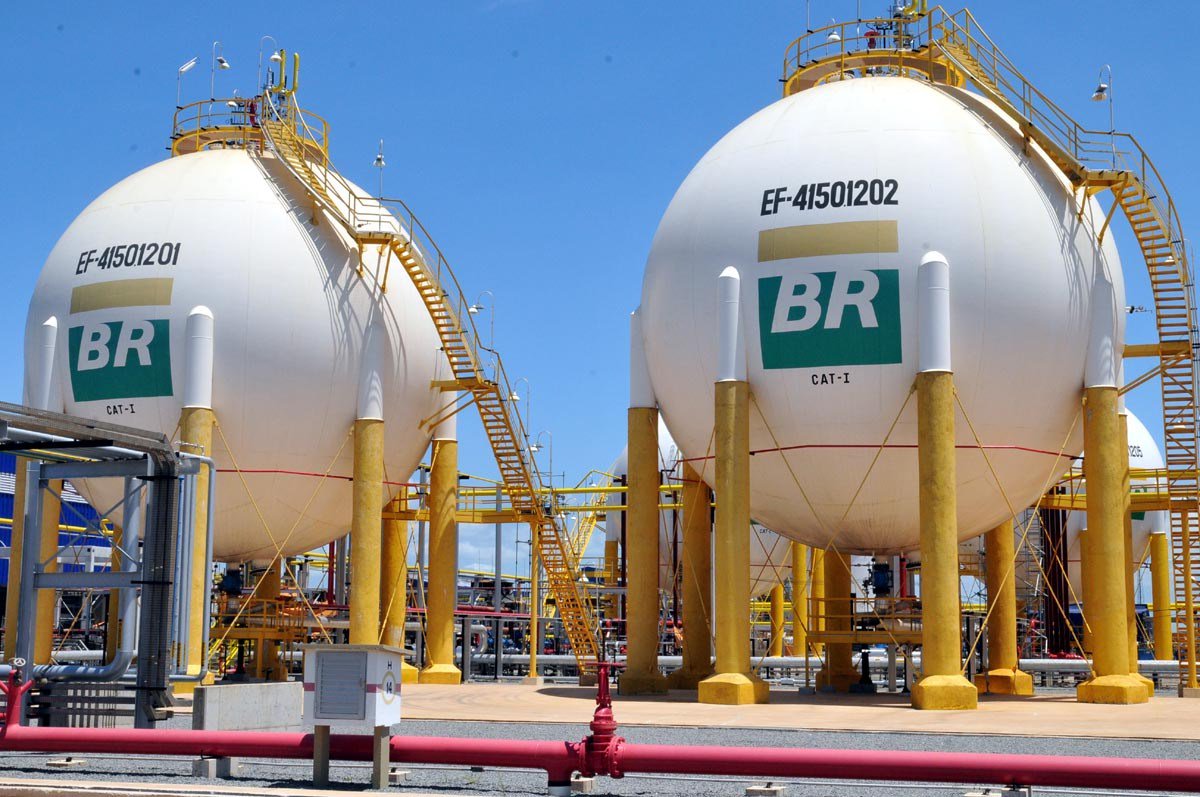
Trade Relations Between Bolivia And Brazil Are Becoming Increasingly Closer, As YPFB Signed Another Contract For Natural Gas Importation, After The Partnership With CDGN, This Time With Petrobras.
The state-owned company Petrobras announced, last Friday (08/05), another important contract for the supply of natural gas in Brazil, this time with the Bolivian YPFB, for the import of fuel, following supply cut issues in recent months. The Bolivian gas company continues to expand its presence in the national scene, as it signed a significant contract with CDGN in recent weeks.
YPFB Debuts Natural Gas Supply Relations In Brazil With Contract For The Import Of Fuel By State-Owned Petrobras
The last week was quite eventful for the natural gas and oil market in Brazil, and Petrobras secured significant attention with the contracts signed during this period, as it announced a partnership with the Bolivian YPFB for the import of natural gas.
Following internal supply issues with gas in recent months, with the foreign company cutting supply, a new contract was established to ensure more security regarding the fuel.
-
Petrobras evaluates suspension of sales to distributors and considers canceling the cooking gas auction following guidelines from the Federal Government.
-
Lula reveals a masterstroke by Petrobras to undo a deal made by Bolsonaro, which involves the return of an important refinery that currently produces less than half of what was expected and makes Brazil dependent on international diesel.
-
A study confirms that the natural gas sector will reduce greenhouse gas emissions in Brazil by 0.5% and accelerate the energy transition by 2026.

-
Petrobras implements a severe adjustment and confirms a 55% increase in the price of aviation kerosene with a proposal for installment payments for the companies.


The contract established between Petrobras and YPFB provides for maintaining the maximum contracted volume of 20 million m³/day, but imposes some new measures to ensure increased security and minimize issues in the import of natural gas.
Among them, the main one is the flexibility of delivery based on seasonal availability from the Bolivian company, thus avoiding unexpected supply cuts, as occurred in recent months between the companies.
In this way, the import of natural gas by Petrobras will not only become more efficient in partnership with the Bolivian company, but will also ensure greater security for the company’s supply. “The addendum signed today refers to the delivery commitment profile by YPFB of the volumes of gas contracted by Petrobras, based on YPFB’s current availability and the contracts it has with other gas market players, as widely disclosed,” commented the state-owned company in a recent statement during the announcement of the new partnership with YPFB.
Brazilian State-Owned Company Stabilizes Natural Gas Import Partnership With YPFB, Which Recently Signed A Contract With CDGN For The Company’s Supply
Although Petrobras announced the new partnership with Bolivian company YPFB for the import of natural gas, the relationship between the companies was not good at all. This is because, during the month of May of this year, the state-owned company claimed to be receiving more than 30% less than contracted with the foreign company, thus impacting the internal supply of natural gas from the oil company.
The main justification was the tightening of YPFB’s relations with Argentina, as the Buenos Aires government closed a deal with YPFB for additional gas supply during the winter period at higher prices. Despite this, the relationship between the companies may be returning to normal, and the new agreement will provide more security to Petrobras in the coming months.
Additionally, besides the new partnership with Petrobras for natural gas importation, YPFB continues to strengthen its relationships in Brazil, as it signed a contract with the compressed gas company CDGN at the end of July.
The contract provides for the receipt of up to 4 million m³/day from the neighboring country and aims to establish internal trading in the free market model in Brazil, thus ensuring more security for CDGN’s supply for this trade.









Seja o primeiro a reagir!