





 Portuguese
  English
  Spanish
  4 min of reading
  0 comments


Petrobras and Vale Form Unprecedented Partnership to Boost Renewable Fuels in Brazil. Increasing Refining and Exploring New Reserves, Petrobras Promises Innovations.
Petrobras is joining forces with Vale, and the focus is revolutionary: the use of renewable fuels.
The two giants aim to take an important step to reduce their carbon footprints. However, the real impact of this project is yet to be revealed.
Petrobras President, Magda Chambriard, revealed during an event with journalists on Monday (14) that the partnership with Vale aims to use diesel and bunker fuel – a maritime fuel – with renewable content in their fleets.
-
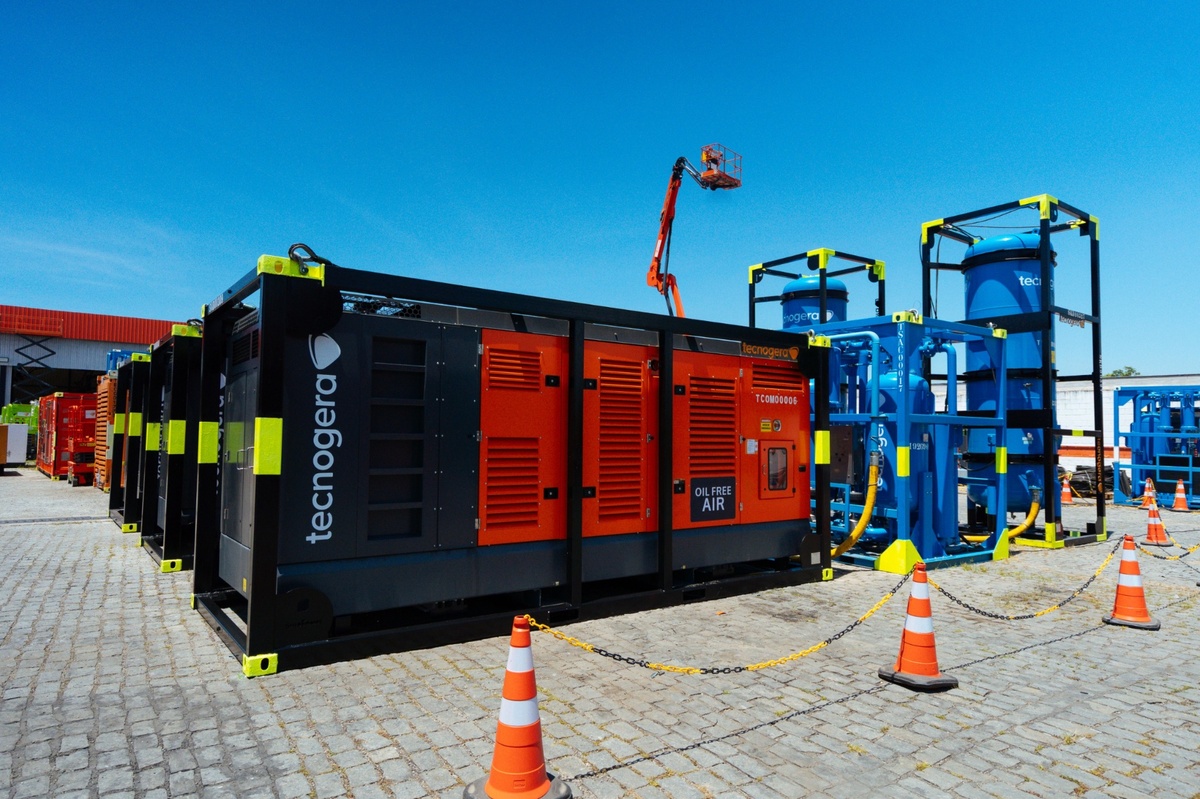
Offshore industrial demand in Macaé skyrockets with the recovery of oil and gas and could grow by up to 396% by 2026 in the Campos Basin.
-
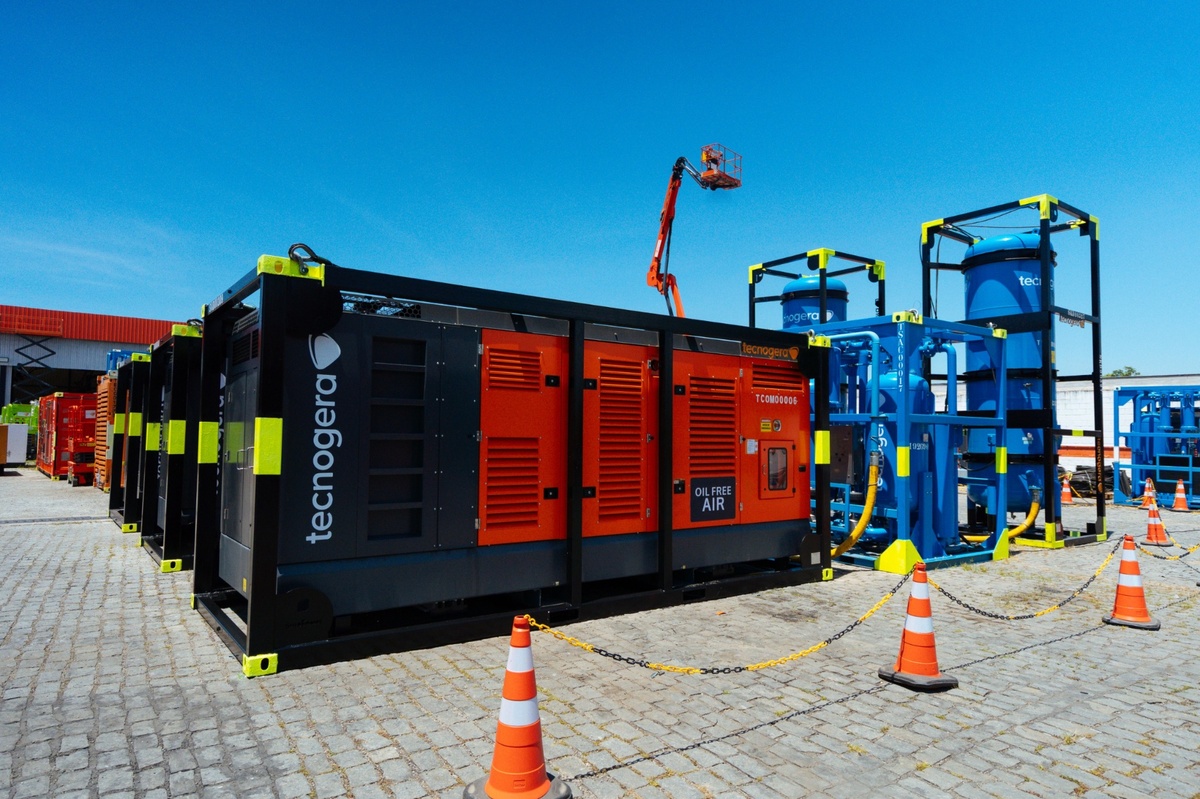
Offshore industrial demand in Macaé surges with the recovery of oil and gas and could grow by up to 396% by 2026 in the Campos Basin.
-
Brazilian giant expands borders in the Southeast: Petrobras confirms new oil discovery in ultra-deep waters in the pre-salt of the Campos Basin.

-
Alert in the global energy market: Severe tropical cyclone hits the coast and disrupts gas production at major plants in Australia, threatening global supply.

According to information from O Globo, the executive described diesel R5, which contains 5% renewable components, as “cute little squash.”
The expectation is that this fuel will be widely adopted by both companies, marking a significant step toward decarbonization in the sector.
The new collaboration reinforces an ambitious business plan that Petrobras intends to announce in November, covering the period from 2025 to 2029.
Magda emphasized the importance of investing in more platforms and increasing refining capacity, all to reduce dependence on imports.
As reported by the newspaper O Globo, the executive indicated that efforts to make Petrobras a more agile and efficient company are directly linked to this renewable project.
Refinery Expansion and Resumption of Old Operations
To strengthen its presence in the domestic market, Petrobras will expand its refining operations in Brazil.
The first phase of this expansion is scheduled for October and November, with the completion of the first train at the Abreu e Lima Refinery (Rnest).
This project will add 25,000 barrels of diesel per day to production.
In addition, there are plans to resume operations at the former Petrochemical Complex in Rio de Janeiro (Comperj), now known as the Boaventura Energy Complex, to increase derivative production in the state by up to 50%, as pointed out by O Globo in its recent coverage.
Bets on the International Market and Opportunities in the Platform Sector
Beyond the national territory, Petrobras is seeking new exploration and production opportunities.
As detailed by O Globo, Sylvia dos Anjos, Director of Exploration and Production, revealed that the state-owned company has already identified potential reserves in the Equatorial Margin and is awaiting approval from IBAMA to conduct drilling in the Mouth of the Amazon.
The expectation is that by the end of 2024, the state company will receive a favorable response from the environmental agency, which could further boost business.
Regarding platforms, Magda Chambriard emphasized the long-term potential in the Campos Basin.
A task force has been established to assess the feasibility of repurposing old platforms, such as P35, P37, P47, and P19, aiming to increase production.
The reevaluation of decommissioning these units could generate significant value for shareholders, according to Chambriard.
International Partnerships and New Contracts
With an eye on the international market, Petrobras recently signed concession contracts in partnership with Shell and CNOOC in the Pelotas region of Rio Grande do Sul.
The area presents high potential, comparable to Namibia, which has estimates of up to 11 billion barrels of oil.
This consortium will be led by Petrobras, which will hold a 50% stake, while Shell and CNOOC will maintain shares of 30% and 20%, respectively.
Additionally, investments in large platforms remain a priority. The state-owned company is finalizing the construction of platforms P84 and P85, which will serve the Sépia and Atapu fields.
According to O Globo, these units have a production capacity of 225,000 barrels per day each and mark the beginning of a new era for Petrobras, boosting extraction in deep waters.
Financial Projections and Dividends
On the financial front, Petrobras forecasts the possibility of extraordinary dividends in the new business plan.
According to O Globo, the Financial and Investor Relations Director, Fernando Melgarejo, does not dismiss this possibility, if the company registers cash above the established minimum, previously estimated at US$ 8 billion.
Investments in Fertilizers and Focus on Agribusiness
In addition to bets in the fuel sector, the state-owned company also plans investments in the fertilizer segment.
The Ansa nitrogen fertilizers unit, located in Paraná, is projected to supply up to 700,000 tons per year, which corresponds to approximately 10% of national demand.
This expansion represents an important diversification of Petrobras’s activities, increasing the company’s participation in agribusiness and boosting national self-sufficiency in agricultural inputs, according to O Globo.





Seja o primeiro a reagir!