





 Portuguese
  English
  Spanish
  4 min of reading
  13 comments



Petrobras Resumes Construction with Investment of R$ 3.5 Billion. Expectation is to Generate 8,000 Jobs, Reducing External Dependence and Strengthening the Local Economy.
A strategic decision by Petrobras promises to change the course of the fertilizer sector in Brazil and attract thousands of jobs to Mato Grosso do Sul.
The state-owned company announced the resumption of construction at the Nitrogen Fertilizer Unit III (UFN3), a billion-dollar project that had been abandoned for a decade.
With this move, South America’s largest producer of urea and ammonia is finally expected to be completed, marking a new chapter for the fertilizer sector and regional development.
-
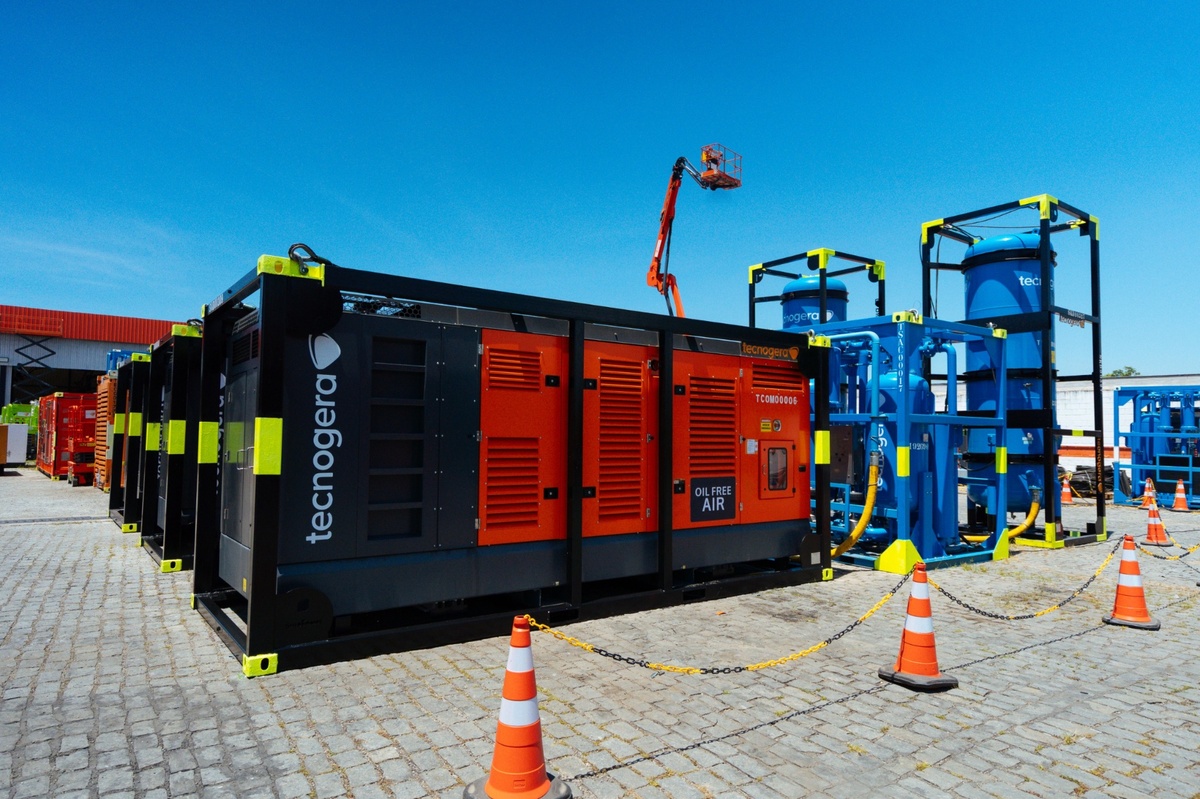
Offshore industrial demand in Macaé skyrockets with the recovery of oil and gas and could grow by up to 396% by 2026 in the Campos Basin.
-
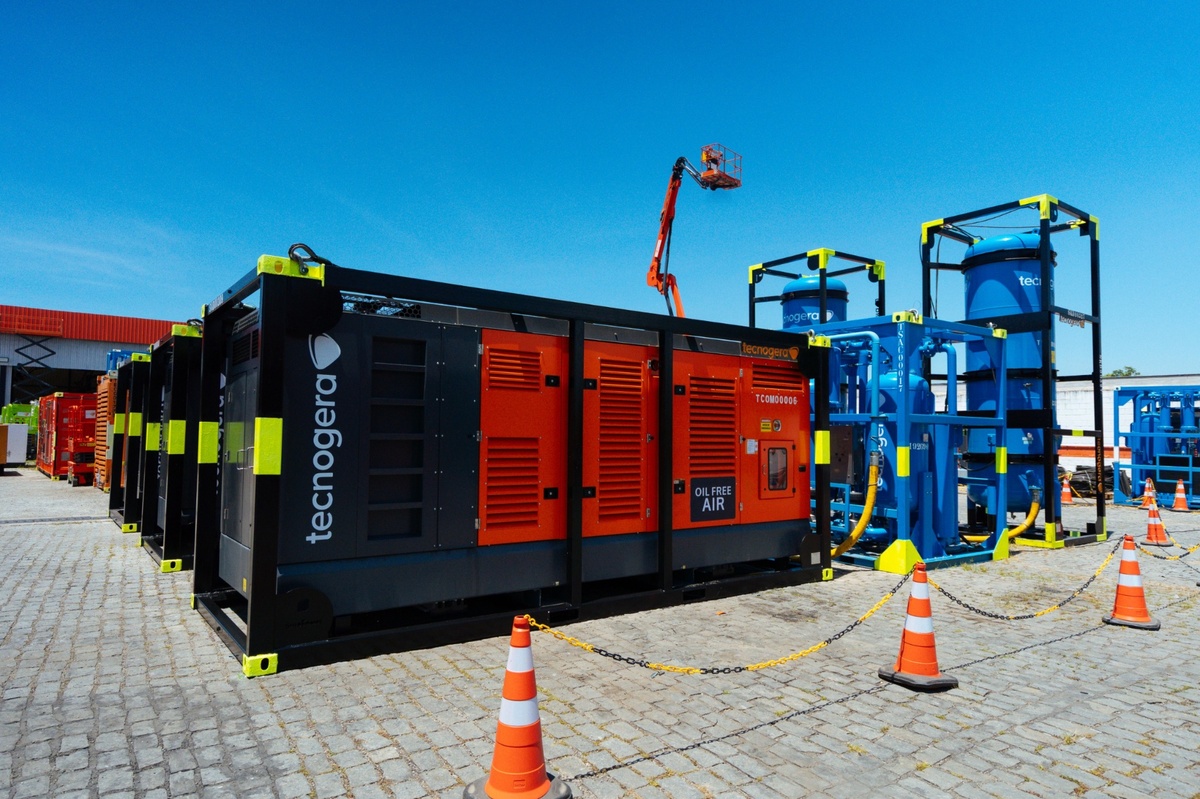
Offshore industrial demand in Macaé surges with the recovery of oil and gas and could grow by up to 396% by 2026 in the Campos Basin.
-
Brazilian giant expands borders in the Southeast: Petrobras confirms new oil discovery in ultra-deep waters in the pre-salt of the Campos Basin.

-
Alert in the global energy market: Severe tropical cyclone hits the coast and disrupts gas production at major plants in Australia, threatening global supply.


The resumption of the project was approved by Petrobras’ Board of Directors and is expected to generate up to 8,000 jobs during the construction phase, with 600 additional jobs when the unit goes into operation.
According to Petrobras, the project, located in Três Lagoas, Mato Grosso do Sul, received a provision of R$ 3.5 billion for the search for new partners.
This investment marks the initial phase of the state-owned company’s strategic planning, with a projected completion date in 2026 and an expected start of operations in 2028.
Regional Commitment and Political Leadership
The UFN3 project gained new momentum after the inauguration of President Luiz Inácio Lula da Silva (PT) and the political support of the Minister of Planning and Budget, Simone Tebet, who made the completion of this work one of her campaign priorities.
Tebet, a native of Três Lagoas, has been actively engaged in negotiations to accelerate the resumption of the project, considering it essential for strengthening the local and national economy.
Investment Details and Partnerships
So far, Petrobras has invested approximately R$ 3.9 billion in the project, which was 80% completed before being suspended in 2014.
The state-owned company reported that, despite the years of inactivity, the structure of UFN3 is well-preserved, although some adjustments are needed to complete the works.
According to the company, the Board’s approval is just the first step, and Petrobras will now seek partners in the market to finalize the project, with the expectation of receiving proposals by the first half of 2025.
The unit will have significant production capacity for urea and ammonia, using water and natural gas as raw materials and being self-sufficient in electricity.
The gas supply should preferably come from the Bolivia-Brazil pipeline, with contingency plans in case of potential interruptions in the Bolivian supply.
Economic and Social Implications for the Midwest
During a visit to Rio de Janeiro, the governor of Mato Grosso do Sul, Eduardo Riedel, and Minister Tebet, along with other state authorities, met with Petrobras President, Magda Chambriard, to align schedules and strategies for the project.
The governor emphasized that the unit will bring a “structural change” to the region, increasing the supply of fertilizers and strengthening the local economy.
Chambriard, in turn, acknowledged the importance of UFN3 for Brazil, especially for the Midwest.
During the meeting, the president was invited to visit the future fertilizer complex to closely monitor the progress of the works.
This event marks a coordinated effort between Petrobras and the state government to ensure that the schedule progresses as planned.
A Decade of Complications and Challenges
Construction of UFN3 began in 2011, but in 2014 the works were suspended due to corruption scandals involving companies in the responsible consortium.
Since then, Petrobras has made several attempts to sell the plant, without success.
In 2018, for example, they tried to include the Araucária Nitrogenados unit in the package, but the combination complicated the negotiation.
In 2020, the Russian giant Acron attempted to buy UFN3, but problems in Bolivia interfered, delaying the sale process.
After multiple attempts and failed negotiations, the sale process was officially halted in January 2023.
As a result, the expectation for the resumption of the project grew, especially among workers and residents of Três Lagoas, who see the completion of UFN3 as an opportunity for economic recovery and job generation.
Expectations and Projections
Petrobras intends to start construction still during the terms of Lula and Governor Riedel.
However, considering the construction time of up to 18 months, the timeline is already tight, and political leaders are seeking to expedite the start of works to meet the schedule.
The expectation is that UFN3 will be fully operational by 2028, catering to a growing and strategic market for the Brazilian agricultural sector.
With the resumption of construction, do you believe that national fertilizer production will reduce our dependence on imports and strengthen the Midwest economy?





Gerando empregos para os amiguinhos e aumentando o rombo na empresa, que nós pagamos.
Se a obra foi abandonada há 10 anos, quem estava no governo quando ela foi abandonada? Só pra saber mesmo. Rs
É Washington, o povo tem memória curta. Mas o importante é retomar, gerar empregos melhorando a vida das pessoas o Brasil dar mais um passo acima 🙌
Se o empreendimento for concluído com seriedade poderá ser uma boa oportunidade, para o Brasil ser auto suficiente em fertilizantes e até mesmo ser um dos maiores exportadores do mundo.