





 Portuguese
  English
  Spanish
 3 min of reading



Works at Petrobras Duque de Caxias Refinery (Reduc) in Rio de Janeiro Will Almost Double Diesel Production Capacity in 2023
Petrobras announced in a relevant fact on the afternoon of this day (03/03) that it will carry out works at its Duque de Caxias Refinery (Reduc), located in Rio de Janeiro, to improve the Diesel and Aviation Fuel Hydroprocessing Unit (HDT). The completion of the works is expected in the second half of 2023. Diesel and cooking gas have federal taxes (PIS) and (Cofins) zeroed by a decree made yesterday (01/03) by Bolsonaro; measure is already in effect
Read Also
- Recruitment and Selection for Job Vacancies in Maintenance Shutdown at Petrobras’ Largest Refinery, REPLAN in SP, on This Day (03/03)
- Rede Globo Opens Selection Process for Candidates Without Experience from All Areas of High School, Technical, and Higher Education in RJ, SP, Recife, and More
- Federal Institute of Education, Science, and Technology of Rio de Janeiro (IFRJ) Opens Over 2500 Vacancies for Free Technical Training Courses at the Secondary Level
- Techocean Macaé Urgently Calls for Experienced Professionals in Naval or Offshore Shipyards in RJ Today (03/03)
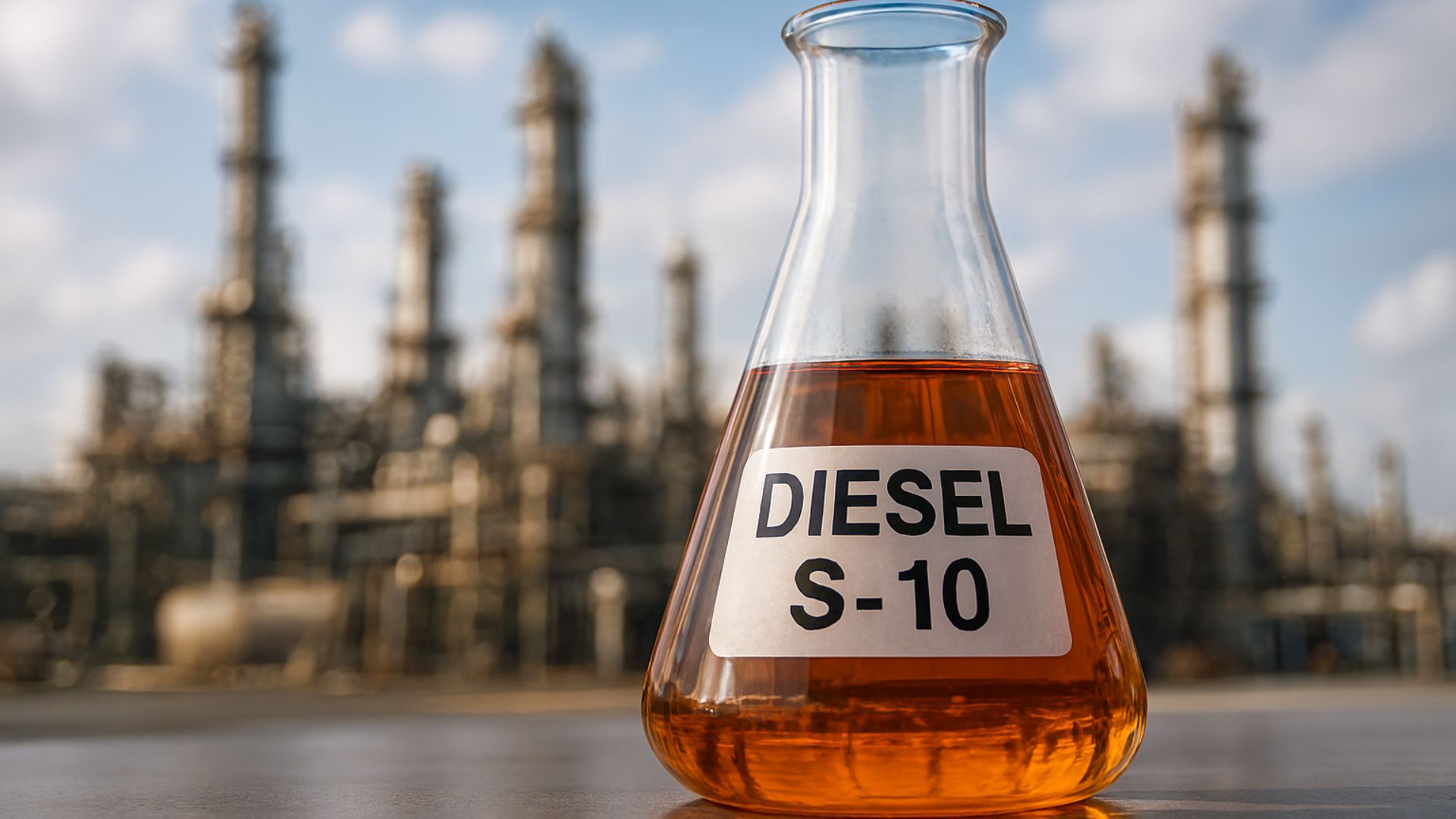
In order to meet local and international market specifications, as well as environmental requirements, the works at Petrobras’ refinery will increase the quality of diesel by reducing the sulfur content (from 500 ppm to just 10 ppm).
According to Petrobras’ report, approximately R$ 140 million will be invested to increase the production capacity of Diesel S-10 at Reduc from the current 5,000 m³/day to 9,500 m³/day.
-
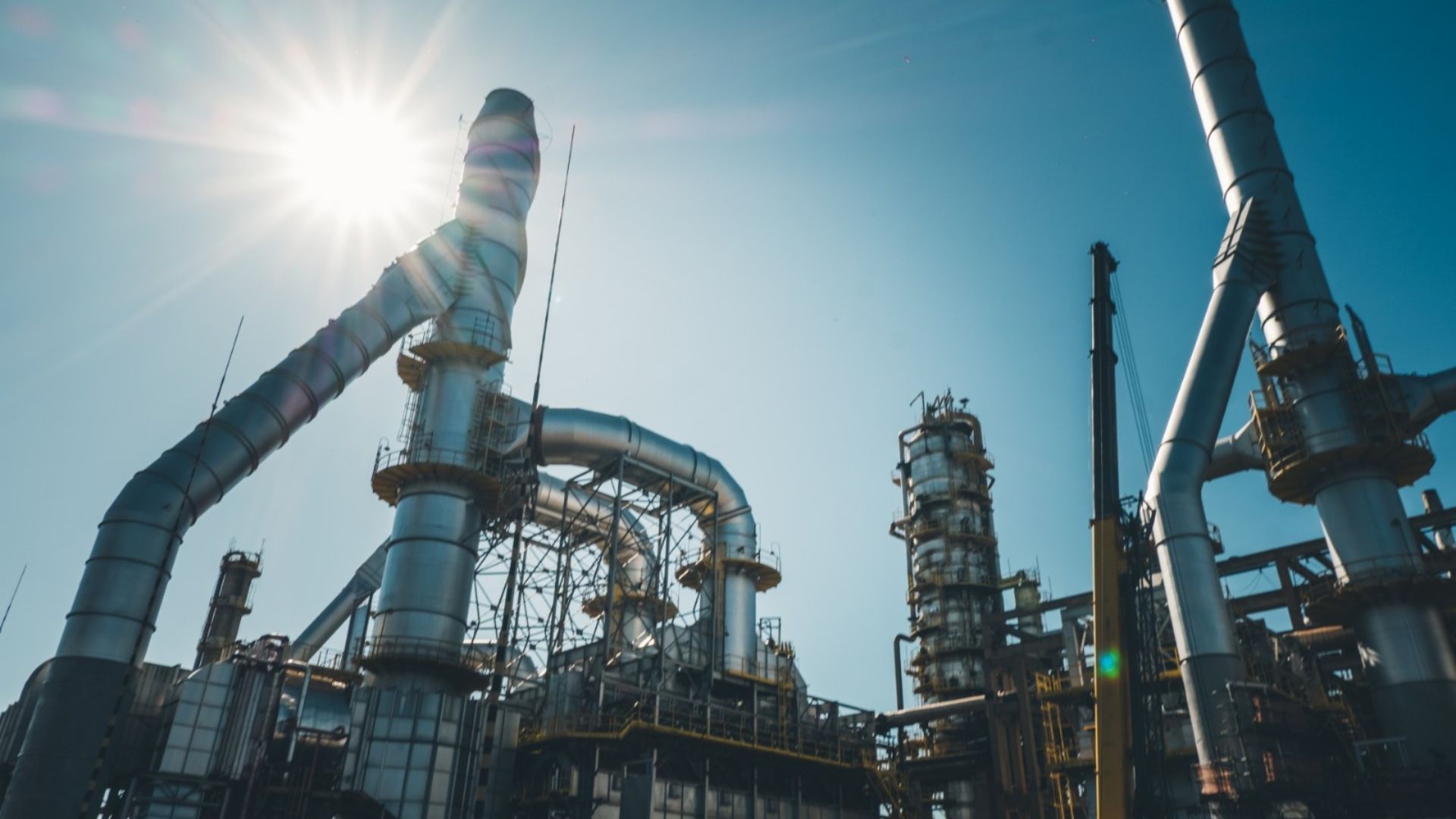
Petrobras Expands Refining in Brazil, Increases Production of Diesel S-10 and Gasoline, Enhances Operational Efficiency, and Reduces Import Dependence Between 2023 and 2025
-
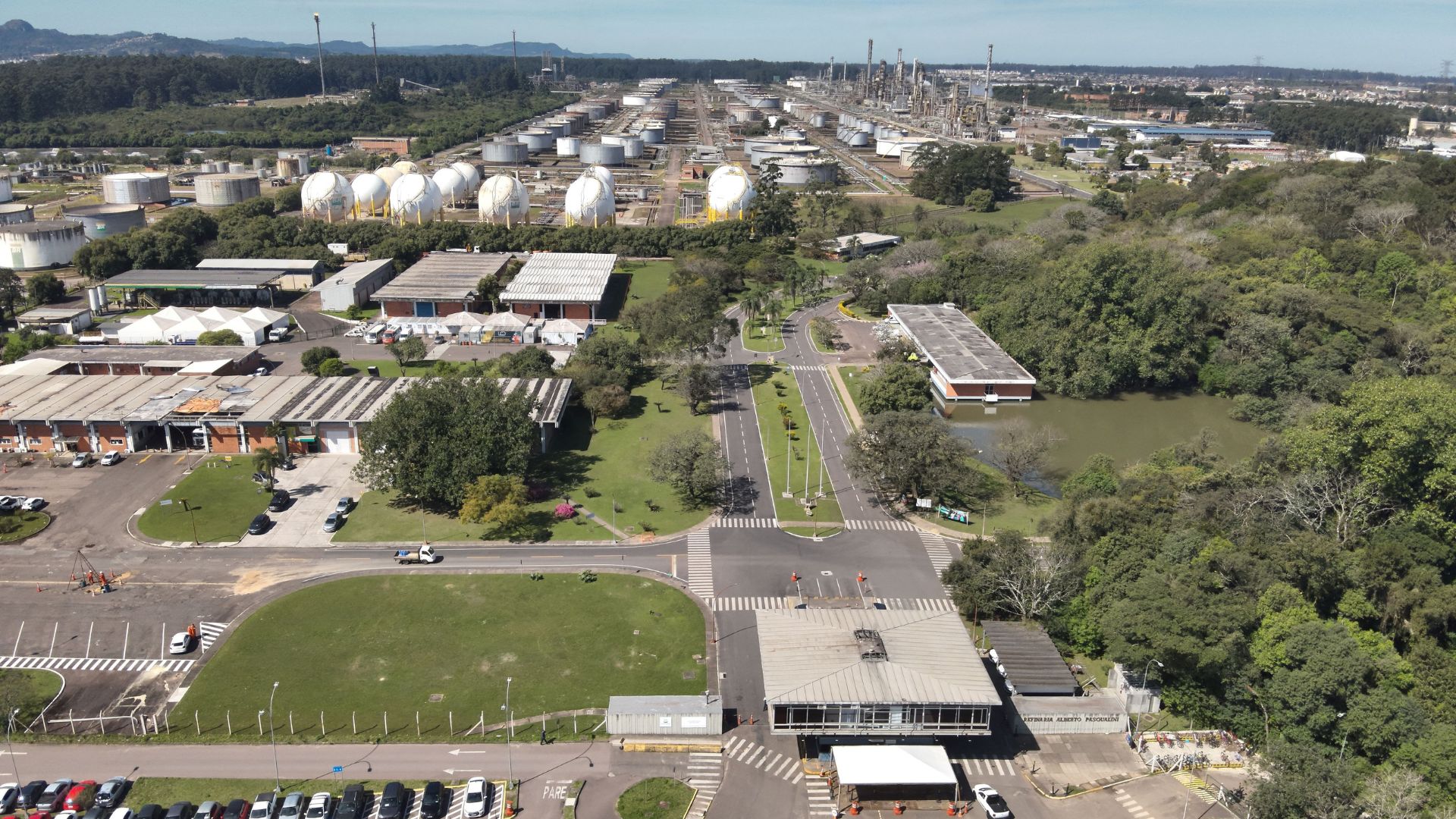
Petrobras’ Refap Sets Historic Records for Gasoline and S-10 Diesel Production in Canoas in Q4 2025, Surpassing Previous Figures
-
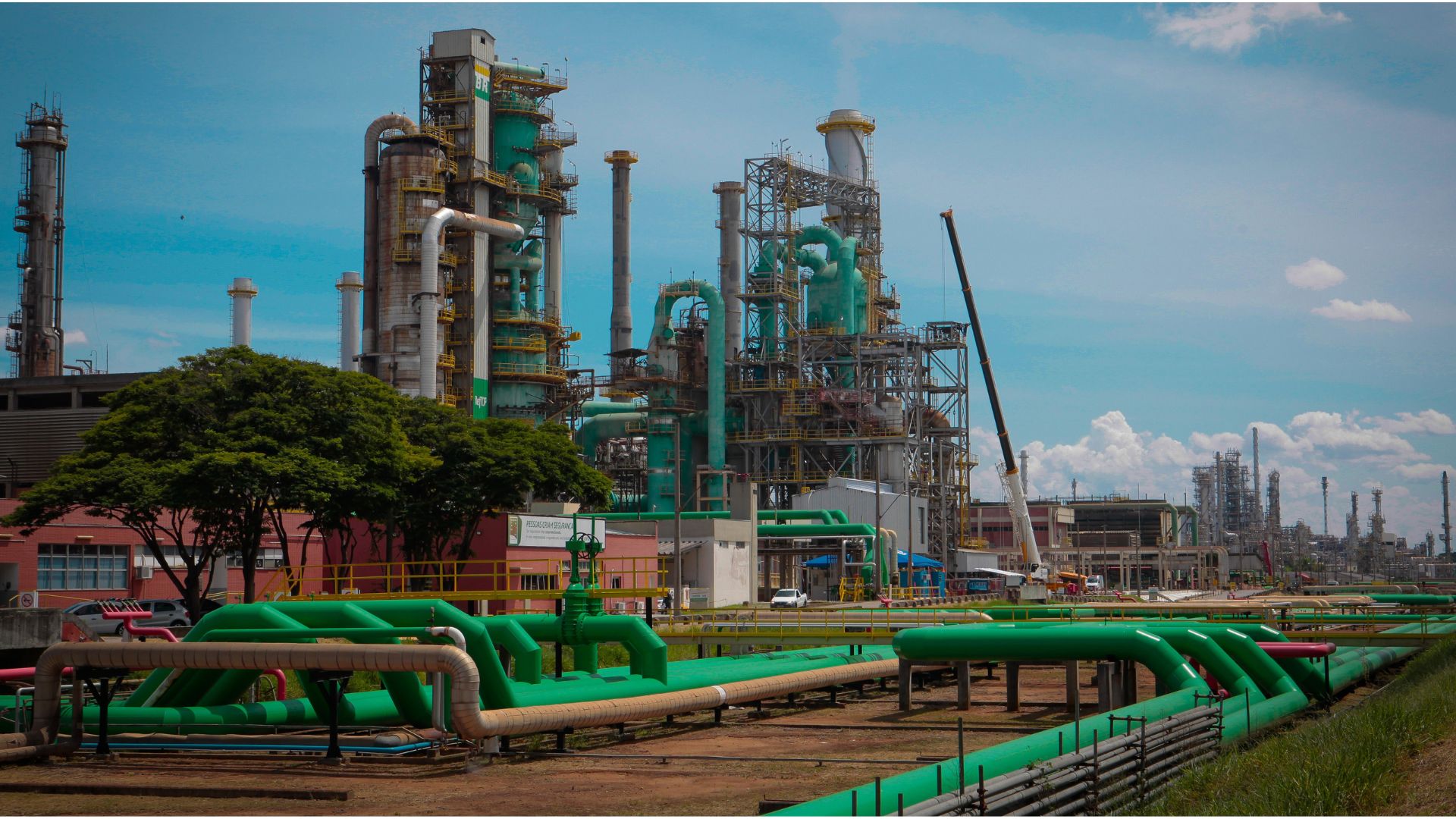
Revap Starts Operation of Modernized HDT and Petrobras Expands S-10 Diesel Production by 80% at the Refinery, Boosting Supply of Less Polluting Fuel in Brazil
-
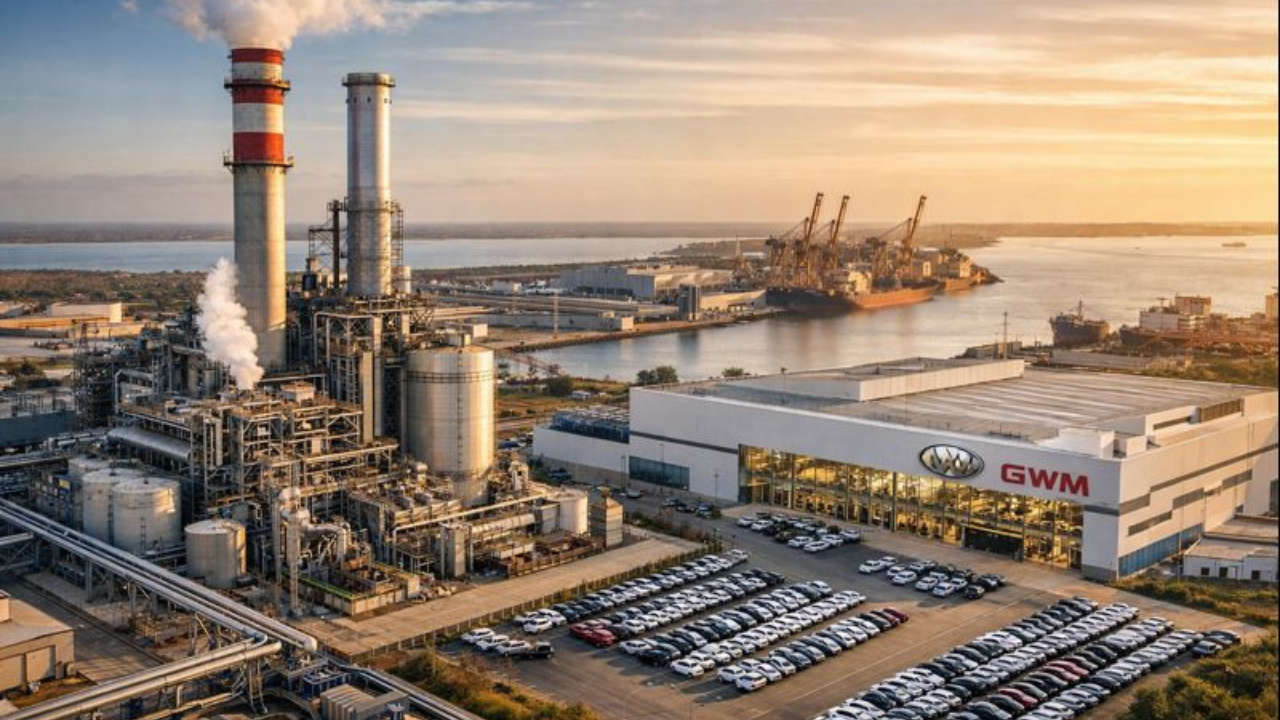
Thermal Power Plant in Rio Grande do Sul Is Key to Attracting GWM
Petrobras Aims to Supply Products with Higher Added Value and Lower Environmental Impact
The new project is aligned with Petrobras’ strategic goal of launching products with higher added value and a lower environmental impact. The use of Diesel S-10 enhances fuel performance in engines, positively impacting the reduction of particulate emissions. Besides the difference in sulfur content, Diesel S-10 has a higher cetane rating, an index that measures ignition quality, meaning the higher, the better.
“We are preparing for the new refining market that will develop in Brazil over the coming years, and this project is highly relevant for us to remain competitive, providing high-value-added derivatives while operating sustainably and in synergy with our world-class deep and ultra-deepwater assets,” explains the general manager of Reduc, Alexandre Coelho.
According to the state-owned company, the production of Diesel S-10 must keep pace with the evolution of heavy-duty and utility vehicle diesel engines, which are responsible for the majority of goods circulation in Brazilian territory. Currently, there are two types of road diesel in Brazil: Diesel S-10 and Diesel S-500, the latter being used only by vehicles manufactured until 2011.
In addition to the Duque de Caxias Refinery (Reduc) in Rio de Janeiro, Petrobras also has plans in the coming years for adjustments to increase Diesel S-10 production capacity at two refineries in the state of São Paulo: at Paulínia Refinery (Replan) and at Henrique Lage Refinery (Revap) in São José dos Campos.
With the implementation of these additional projects at these refineries, the state-owned company expects to increase Diesel S-10 production by up to 16,500 m³/day.
About Diesel S-10
Petrobras’ Diesel S-10 market share in December 2020 was 54.9%. In the fourth quarter of 2020, the Replan, Refap, RPBC, and Regap refineries achieved monthly production records for Diesel S-10.









Seja o primeiro a reagir!