





 Portuguese
  English
  Spanish
  4 min of reading
  0 comments


With The Drop In Oil And Pressure On Oil Companies, Analysts Reveal Which Stocks Should Stand Out Even With Market Volatility.
Volatility Has Returned To Dominate The Energy Market. With Oil Prices Operating Close To US$ 60 Per Barrel, The Oil And Gas Sector Is Facing One Of Its Most Challenging Moments Since The Pandemic. Among Macro-Economic Pressures, Concerns About Global Slowdown, And Increasingly Strict Climate Discussions, Oil Companies Walk A Tightrope Between Profitability And Sustainable Future.
Moreover, According To Analysis Published By InfoMoney, This Conjuncture Has Reignited A Crucial Debate In The Market: Which Companies Are Best Prepared To Withstand The Drop In Commodities And Continue Delivering Value To Shareholders?
In Recent Years, The Energy Sector Has Undergone Profound Transformations. From The Oil Crisis Of The 1970s To Recent Decarbonization Targets, The Geopolitical And Climate Environment Has Redefined How The Market Sees Production, Demand, And Investment In Fossil Fuels.
-
The rise in oil prices could ensure an extra revenue of R$ 100 billion for the Federal Government, indicates a recent economic study.

-
Naturgy begins an investment of R$ 1.6 million to expand the gas network in Niterói and benefit thousands of new residences and businesses.

-
A major turn in the Justice system suspends tax increases and directly impacts oil and gas companies in Brazil by affecting costs, contracts, and financial planning, leaving uncertain what could happen to the sector if these costs had increased.

-
Brava Energia begins drilling in Papa-Terra and Atlanta and could change the game by reducing costs in oil while increasing production and strengthening competitiveness in the offshore market.
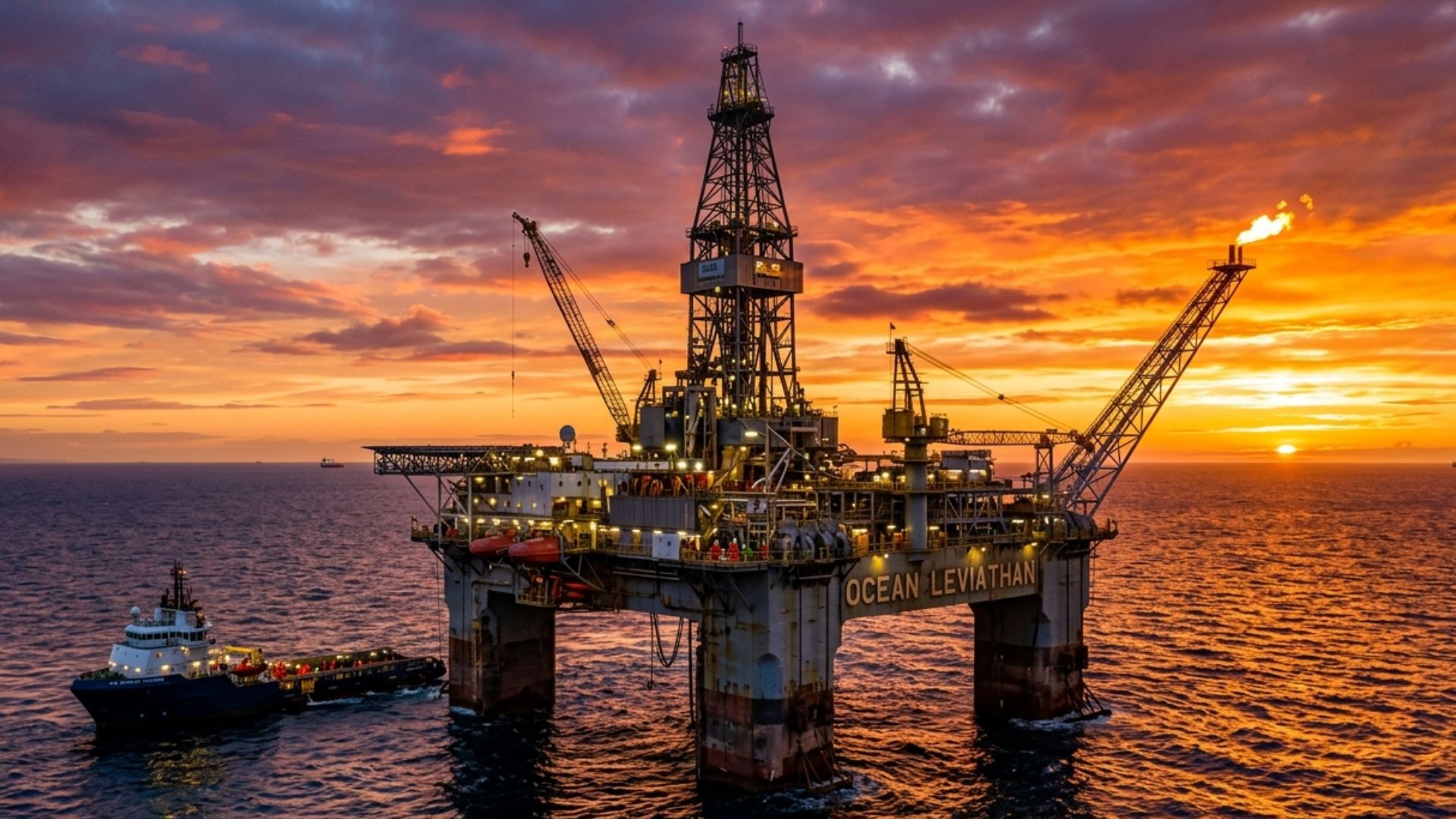

Therefore, Analysts Emphasize That The Current Pressure Does Not Stem Only From Economic Factors — But Is Part Of A Historical Movement Of Structural Change.
Understand The New Dilemma Of The Industry: Sustainability And Profitability
With The Intensification Of Global Emission Reduction Policies, Oil Companies Are Facing Growing Demands For Cleaner Practices. Moreover, According To The International Energy Agency (IEA), The Energy Sector Is Responsible For About 40% Of Global CO₂ Emissions — A Number That Pressures Governments, Investors, And Companies To Rethink Their Strategies.
Thus, Many Companies Have Started To Diversify Investments, Allocating Part Of Their Capital To Renewable Energy, Carbon Capture, And Operational Efficiency. Still, The Dependence On Oil Remains Significant.
Therefore, When The Commodity Drops, Tensions Rise. Analysts Reinforce That 2025 Already Shows That The Profitability Of Companies Will Continue To Be Tested In Shorter And More Unstable Price Cycles.
Operational Efficiency As A Way To Preserve Margins
Even With The Barrel Under Pressure, Experts Point Out That Some Oil Companies Have Developed Operational Models Robust Enough To Face Prolonged Periods Of Low Prices.
According To A Market Report Mentioned By InfoMoney, Companies That Invested In Automation, Digitalization, And Process Improvement Can Maintain More Predictable Results. Thus, They Reduce Costs, Increase Productivity, And Ensure Returns To Shareholders — Even With Falling Oil Prices.
Additionally, Practices Such As Reducing Gas Flaring, Optimizing Platforms, Integrating Geological Data, And Using Artificial Intelligence Create A Competitive Advantage That Directly Reflected In The Balance Sheet.
Therefore, Oil Companies With Lower Lifting Costs Are The Ones That Draw The Most Attention From Analysts At This Moment.
Digitalization And Technology Strengthen Sector Resilience
Just As Has Happened In The Transportation And Logistics Sector In Recent Years, Digitalization Has Now Also Become A Strategic Pillar For Oil And Gas. Remote Monitoring Platforms, Advanced Sensors, And Predictive Analytics Have Come To Dictate The Rhythm Of Operations.
Moreover, According To The IEA, Digital Technologies Can Reduce Energy Waste In Offshore Operations By Up To 15% By 2030. Thus, Companies That Accelerate Modernization Can Better Manage Their Risks, Anticipate Failures, And Avoid Shutdowns — Essential Points In Times Of Price Declines.
In This Way, Technology Has Ceased To Be Merely Support And Has Become A Tool For Survival.
A Sector Marked By Constant Reinventions
The Oil Sector Has Gone Through Countless Cycles Of Ups And Downs. In The 1980s, Oversupply Crushed Margins. In The 2000s, The Commodity Boom Fueled Global Investments. After 2015, The Paris Agreement Intensified Environmental Pressures. And During The Pandemic, The Demand Collapse Revealed Deep Fragilities In The Supply Chain.
Subsequently, With The Energy Shock Of 2022 And 2023, Driven By Geopolitical Tensions, Oil Has Returned To The Center Of The Global Economy.
Now, With The Recent Drop In The Commodity, The Discussion Returns To The Balance Between Energy Transition And Supply Security — And This Directly Impacts The Stock Market.
The Social And Strategic Impact Of Oil
Although Highly Questioned, The Industry Still Plays A Fundamental Role For Millions Of People. Moreover, According To International Organizations, Accessible Energy Contributes To Economic Stability, Job Creation, And Reducing Inequalities.
Thus, Even With Environmental Pressures, Many Countries Advocate For A Gradual And Planned Transition, Avoiding Abrupt Shocks That Affect Entire Populations.
Therefore, Oil Companies That Combine Environmental Responsibility, Robust Governance, And Operational Efficiency Tend To Gain More Space In The Financial Market.
The Preferred Stocks Of Analysts In The New Scenario
In Light Of The Drop In Oil Prices, Analysts Reinforce That Companies With Greater Diversification, Lower Production Costs, And Solid Energy Transition Plans Are Among The Favorites.
In General, The Highlighted Preferences Include Companies That Present:
- Reduced Lifting Cost, Ensuring Margins Even With Cheaper Oil
- Low Debt, Preserving Financial Flexibility
- Consolidated Long-Term Projects, Reducing Operational Risks
- Participation In Alternative Energies, Which Balance The Portfolio
- Transparent Governance, Increasingly Required By Investors
- Consistent Dividend History, Important In Volatile Times
According To Experts Consulted By InfoMoney, These Characteristics Tend To Determine Which Companies Will Better Withstand The New Price Cycle.
What To Expect For 2026
Although The Environment Remains Uncertain, Analysts Believe That 2026 Could Mark A Turning Point For The Sector. The Consolidation Of Decarbonization Policies, Combined With New Global Supply And Demand Dynamics, Should Redesign The Competitive Landscape.
Additionally, Investors Are Becoming More Discerning And Value Companies That Demonstrate A Real Commitment To Efficiency And Climate Responsibility — Without Sacrificing Profitability.
Therefore, Oil Companies That Adopt Innovation, Optimized Cost Structures, And Strategic Vision May Not Only Survive The Moment But Also Lead The Industry In The Coming Years.






Seja o primeiro a reagir!