





 Portuguese
  English
  Spanish
  4 min of reading
  0 comments


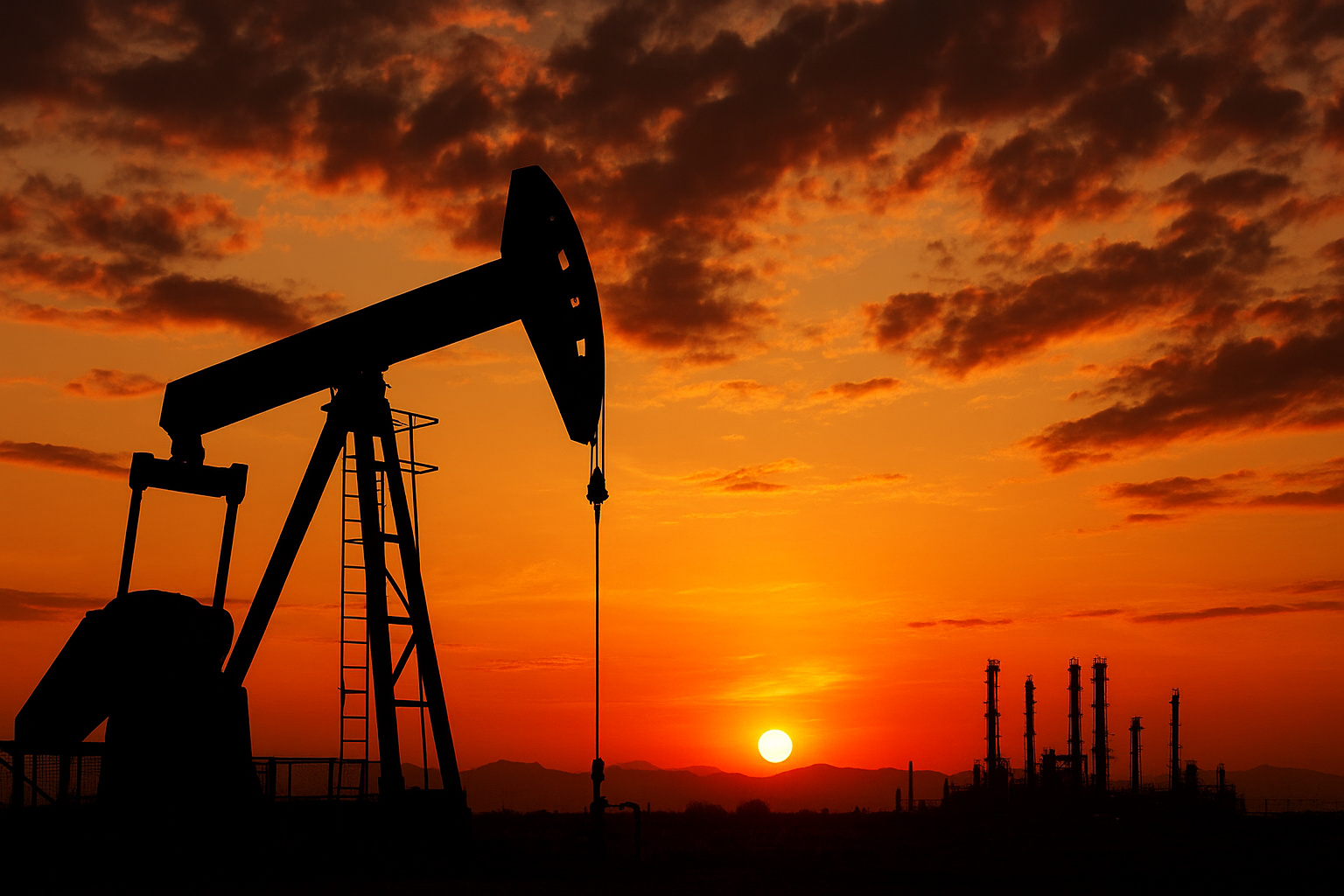
The price of oil has risen sharply again, reflecting a scenario marked by geopolitical instability. Recent statements from former United States President Donald Trump, coupled with international crises, have rekindled fears of supply disruptions of the commodity. This movement has mobilized investors and analysts, who are now evaluating the risks and opportunities with heightened attention.
According to Infomoney, oil futures contracts closed with significant gains due to these remarks and the rising tensions in the geopolitical scenario.
The WTI type, traded on the New York Mercantile Exchange (Nymex), increased, while Brent, on the Intercontinental Exchange (ICE) in London, also showed important gains.
-
Petrobras confirms that it will reimburse amounts to distributors and return the price difference from the gas auction following a regulatory decision.

-
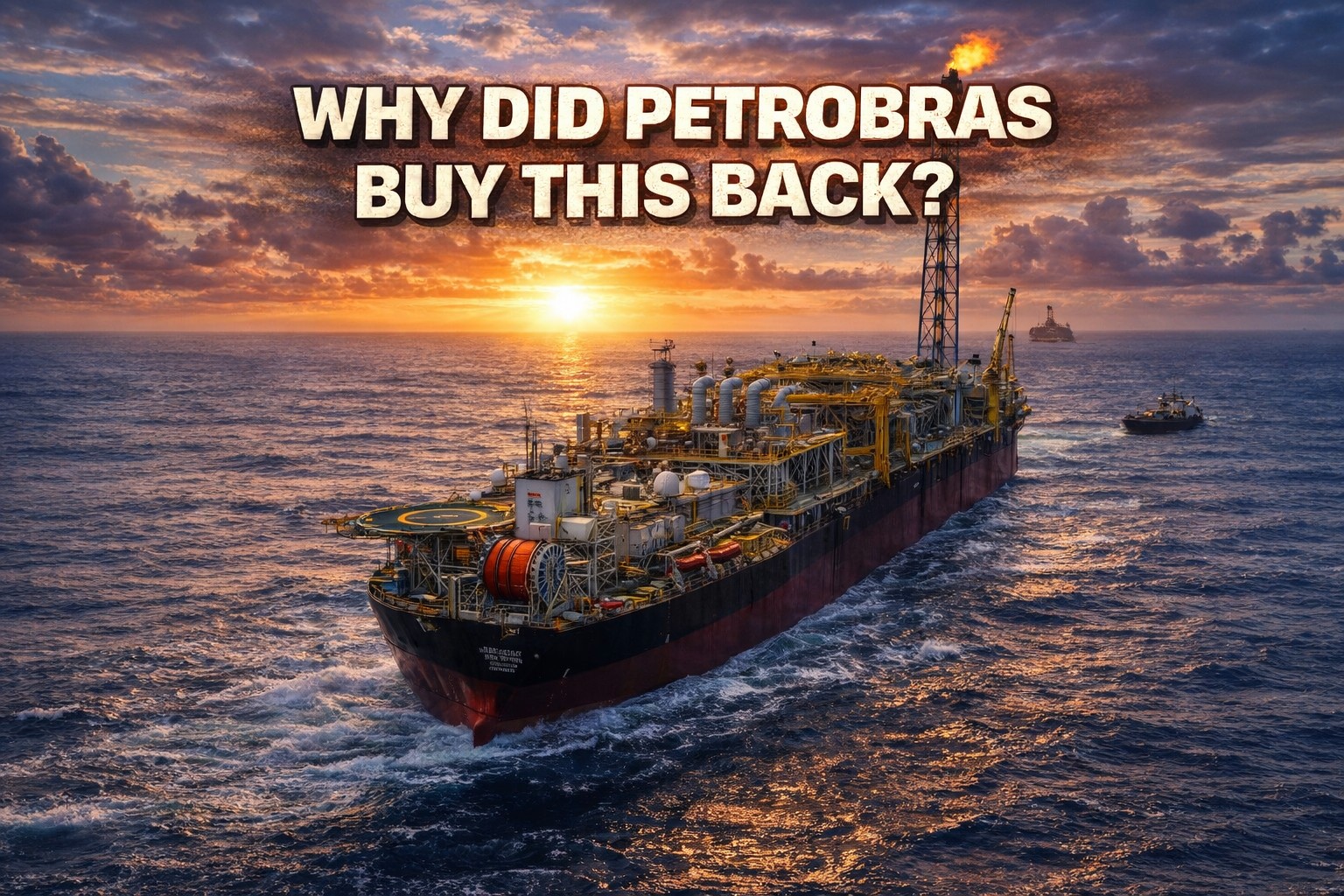
Petrobras buys back fields for billions — what no one is talking about regarding this decision and how it could impact jobs and oil in Brazil.
-
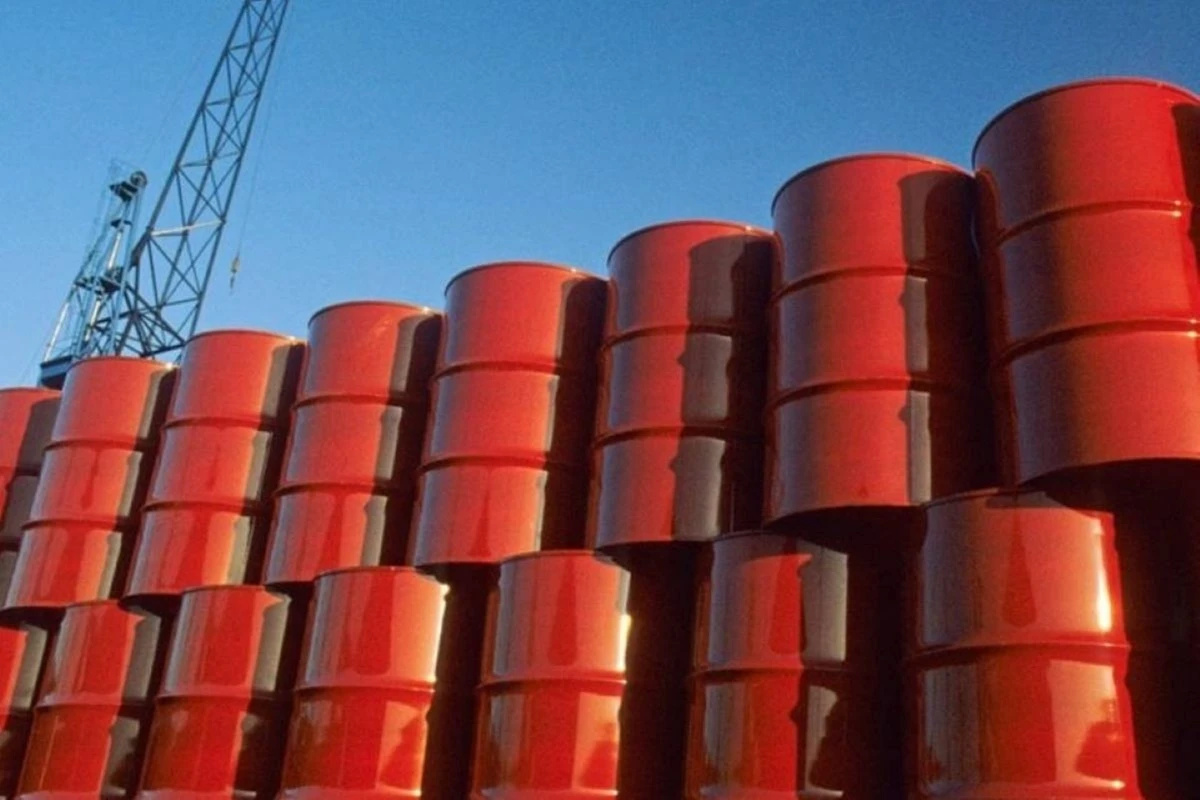
New escalation of tensions and oil crisis in the Middle East forces world powers to accelerate energy transition plans.
-
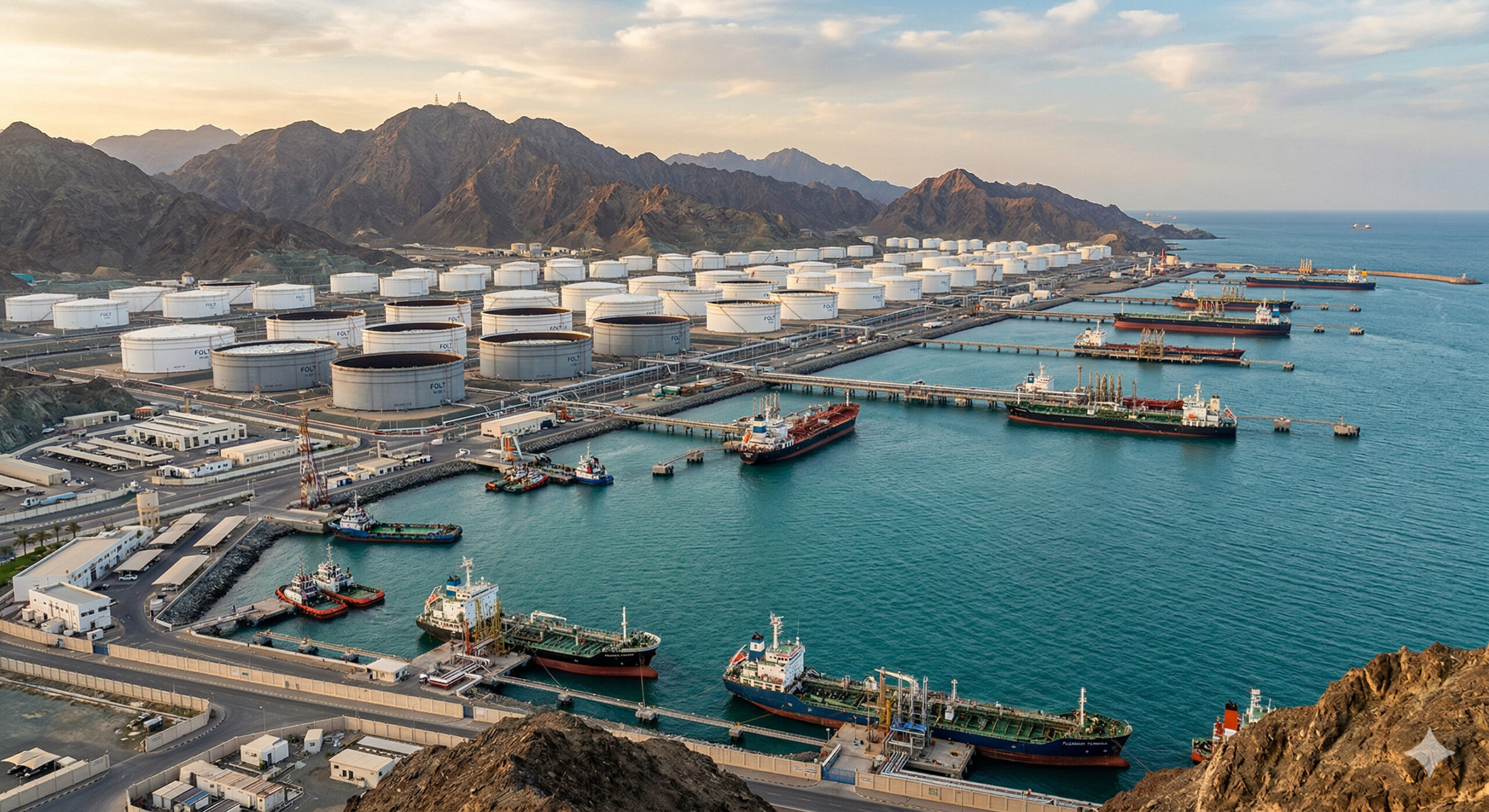
Giant reservoirs with a capacity of 18 million cubic meters have turned Fujairah into one of the largest energy vaults on the planet. This facility, located outside the Strait of Hormuz, stores oil on a colossal scale and has become a silent piece that supports the global flow of fuels.
A Historical Overview of Oil
To better understand this recent behavior, it is useful to look back a bit in time. Historically, oil has always reacted to external shocks. In the 1970s, for example, political crises and embargos dramatically raised prices, forever changing the relationship between consumption, supply, and geopolitics.
More recently, in 2020, a price war occurred between Russia and Saudi Arabia, when disagreements over production cuts led to a fall in barrel prices.
Between 2023 and 2025, according to a chronology of the global oil market, events such as tariffs, sanctions, and political reactions, including those associated with Donald Trump, have once again created volatility. This historical volatility helps explain why investors remain so alert whenever new tensions arise.
Trump’s Statements and Their Effects
At the center of the recent rally is a series of remarks from former President Donald Trump. He reiterated threats of tariffs against Russia and criticized countries that continue to buy Russian oil, such as China and India. InfoMoney These statements were interpreted as a political escalation that could impact global oil flow.
Additionally, Trump stated that he is rebuilding U.S. strategic reserves, something he accuses his predecessor of having weakened. This type of rhetoric generates uncertainty as it signals potential changes in U.S. energy policies.
Trump’s influence on the market is significant because he still has a strong political and communicative network, and his positions tend to garner the attention of major oil powers. Thus, his comments quickly resonate in commodity markets.
Geopolitics as a Driving Force of the Rally
In addition to Trump’s remarks, the oil market has been strongly impacted by geopolitical tensions. Conflicts in the Middle East, sanctions on producing countries, and regional rivalries increase the risk premium on the price of the barrel.
According to Infomoney, attacks, sanctions, and reports on supply disruptions raise the perception of scarcity or future interruption. For example, there are real concerns that clashes could affect pipelines, refineries, and strategic transport routes, such as the Strait of Hormuz.
Moreover, according to reports from CNN Brasil, analysts claim that global political instability outweighs signs of more abundant short-term supply. Even with some forecasts indicating a surge in supply, geopolitical risk keeps the market on alert.
The Role of the Dollar and Tariffs
Another important factor in the recent oil rally is the weakness of the U.S. dollar. When the dollar devalues, oil becomes cheaper for buyers using other currencies, which can stimulate demand.
Additionally, the resumption of tariff threats by Trump against Russia adds an extra layer of concern. Sanctions or high tariffs could hinder oil trade, especially of Russian oil, increasing the risk for global supply.
This set of factors – a more favorable exchange rate and the risk of sanctions – helps explain why oil prices are reacting positively.
Supply, Demand, and Outlook
Although the market is rising due to geopolitical risks, some analysts point to a possible reversal depending on future supply.
According to Rystad Energy, there is a forecast of oil surplus for the fourth quarter of the year, which could weigh on prices if supply exceeds demand again. Meanwhile, OPEC+, according to reports, could increase production, which would reduce the risk premium if geopolitical shocks diminish.
However, other experts, like analyst Nadir Belbarka from XMArabia, cited by CNN Brasil, assert that political instability may sustain prices for a longer period.
Therefore, the balance between structural supply and the real risk of interruption will be crucial in the coming months.
Projections and Future Risks
In light of this scenario, many market observers emphasize that the price of oil relies heavily on two opposing forces: geopolitical risks and the production surplus.
If conflicts escalate or new sanctions arise, it is likely that the risk premium will remain high, keeping oil at firm levels. On the other hand, if OPEC+ decides to increase production or if global demand slows down, prices could decline.
Moreover, monetary policies, such as interest rate cuts or hikes in the U.S., will also have a direct impact. The prospect of interest rate reductions could stimulate consumption, while unexpected increases could stifle demand.
In this context, many investors and governments are watching the oil market with caution. They know that political decisions, conflicts, and economic policies intertwine and together shape the fate of the price of oil.
Final Reflection
The recent oil price rally brings to light an old truth: the commodity remains deeply vulnerable to geopolitical uncertainties. Donald Trump’s remarks only add fuel to this fire, reinforcing risks and mobilizing the markets.
At the same time, economic factors such as the devaluation of the dollar and potential tariff pressures intersect in this scenario, creating a complex landscape for those who trade, produce, or consume oil.
Historically, oil has experienced dramatic highs and lows. Today, once again, it reflects global tensions and powerful politics. The lesson for investors and policymakers is clear: the oil market demands constant attention, even in seemingly calm moments.







Seja o primeiro a reagir!