





 Portuguese
  English
  Spanish
  3 min of reading
  0 comments


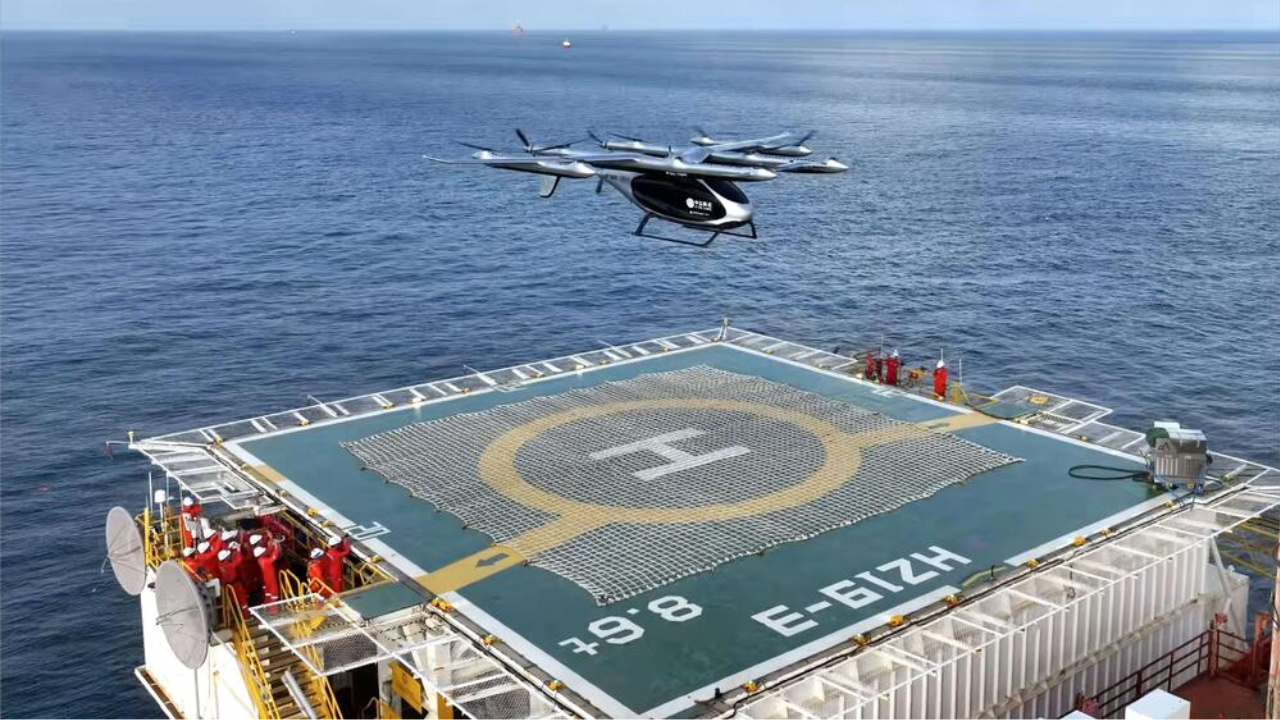
Brazil To Expand Aircraft Safety Related To Oil With New ADS-B Coverage In Offshore Basins, Strengthening Air Traffic Control Over Platforms In The Southeast.
The oil industry in Brazil depends on complex and continuous air logistics. Every year, more than one hundred thousand helicopter flights cross the Southeast coast, connecting the mainland to the offshore platforms installed in strategic basins. This high volume of operations has motivated a new project aimed at increasing safety and efficiency of air traffic in these areas.
Starting in 2026, with continuity expected in 2027, the country will expand the ADS-B (Automatic Dependent Surveillance–Broadcast) system coverage over regions of intense oil activity. The initiative is coordinated by the Department of Airspace Control (DECEA), an agency of the Brazilian Air Force.
Four Oil Basins Will Be Covered
The project covers four oil basins on the southeast coast: Santos, Campos, Campos Sul, and Espírito Santo. These areas concentrate a significant portion of national oil and gas production, in addition to a constant flow of aircraft dedicated to transporting workers, equipment, and supplies.
-
Chaos On Airplane Could Be Expensive: Proposal Aims To Prevent Disruptive Passengers From Flying For Up To 1 Year In Brazil And Face Fines Of Up To R$17,500

-
Man Arrested After Halting Takeoff of Fire Department Helicopter During Child Rescue in Guaratuba

-
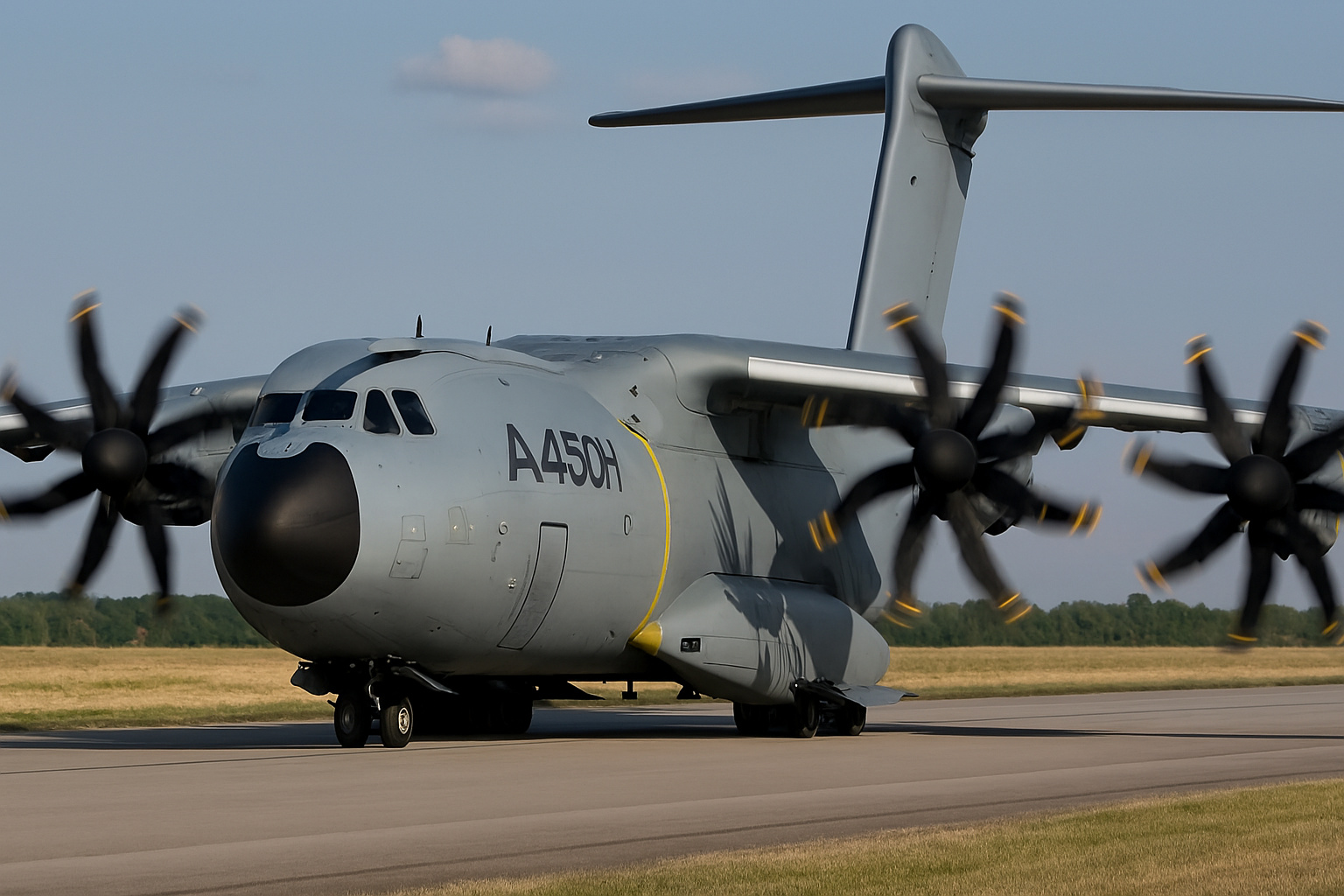
With 37 Tons of Cargo, Over 8,000 km Range, and Ability to Land on Unpaved Runways, the Airbus A400M Demonstrates How Europe Created a Military Giant That Transports Armored Vehicles, Aerially Refuels Fighters, and Operates in Conflict Zones and Humanitarian Missions Worldwide
-
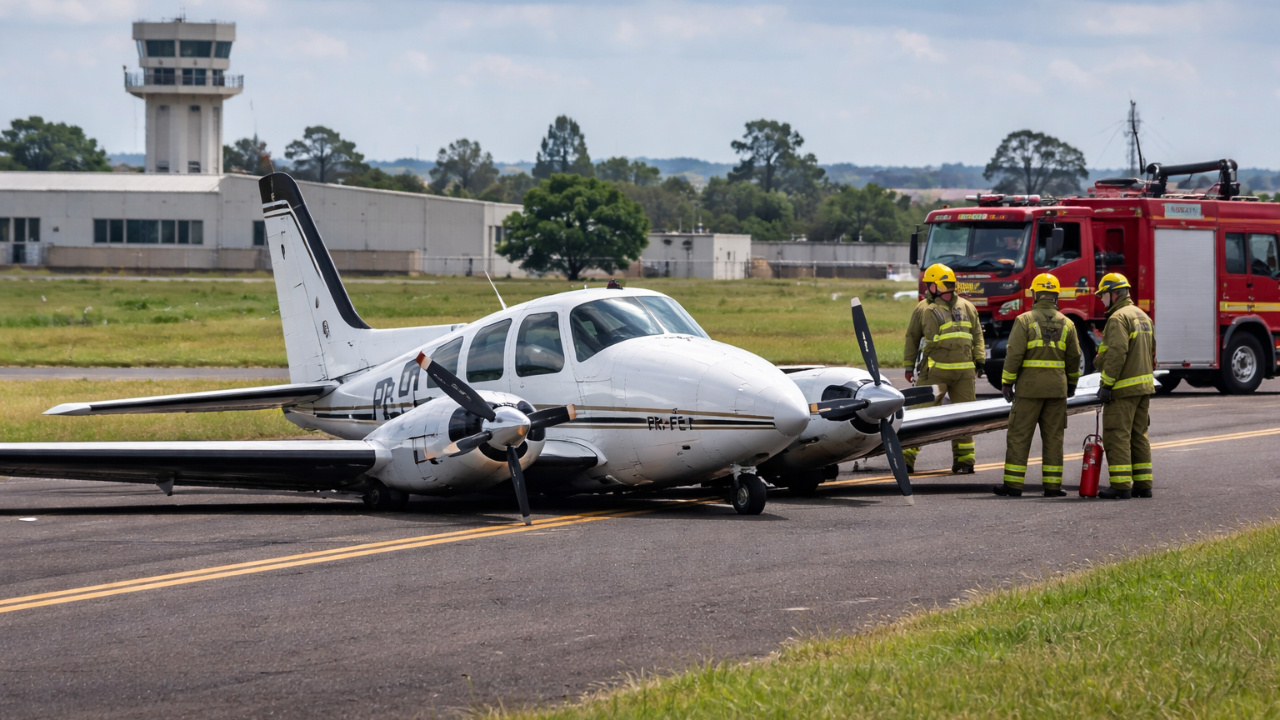
Emergency Landing in Campos Amarais After Bird Strike on Small Plane

To enable the expansion of aerial monitoring, the installation of ADS-B stations on eleven offshore platforms and the deployment of four additional sites on land are planned. The combination of these structures will allow for more comprehensive and precise monitoring of aircraft operating over the sea.
Technology Improves Control And Predictability Of Flights
A ADS-B is a system that transmits, in real time, information about the position, speed, and altitude of aircraft. With greater coverage, air traffic controllers will have a more complete view of the offshore airspace.
This advancement is considered essential in regions marked by high flight density and variable weather conditions. According to the Deputy Director of DECEA, Major-Brigadier Alexandre Arthur Massena Javoski, the expansion represents a significant step for the sector. “These are areas of high operational complexity. The adoption of ADS-B enhances flight safety, improves monitoring capacity, and contributes to more efficient operations, in line with international standards”, he stated.
Operators Gain Efficiency And Risk Reduction
For helicopter operators serving the oil platforms, the new coverage brings direct benefits. With more surveillance information available, flight planning tends to be more accurate. Situational awareness increases, which reduces traffic conflicts and expands the margin of safety.
Additionally, the predictability of operations improves, a factor considered strategic in offshore environments, where delays and deviations impact costs and production routines.
Project Strengthens Industrial Base And National Defense
The impact of the project goes beyond civil aviation related to oil. The initiative also stimulates the defense industrial base and strengthens national technological dominance. The use of TLE, a technology associated with the system, ensures greater adherence to safety, innovation, and sovereignty requirements.
At the same time, the project ensures compliance with the needs of the Brazilian Airspace Control System (SISCEAB), integrating defense, air traffic control, and support for oil and gas industry operations.
With the expansion of ADS-B coverage, Brazil reinforces the infrastructure that supports offshore oil exploration, aligning operational safety, logistical efficiency, and international airspace control standards.









-

Uma pessoa reagiu a isso.