





 Portuguese
  English
  Spanish
  7 min of reading
  0 comments


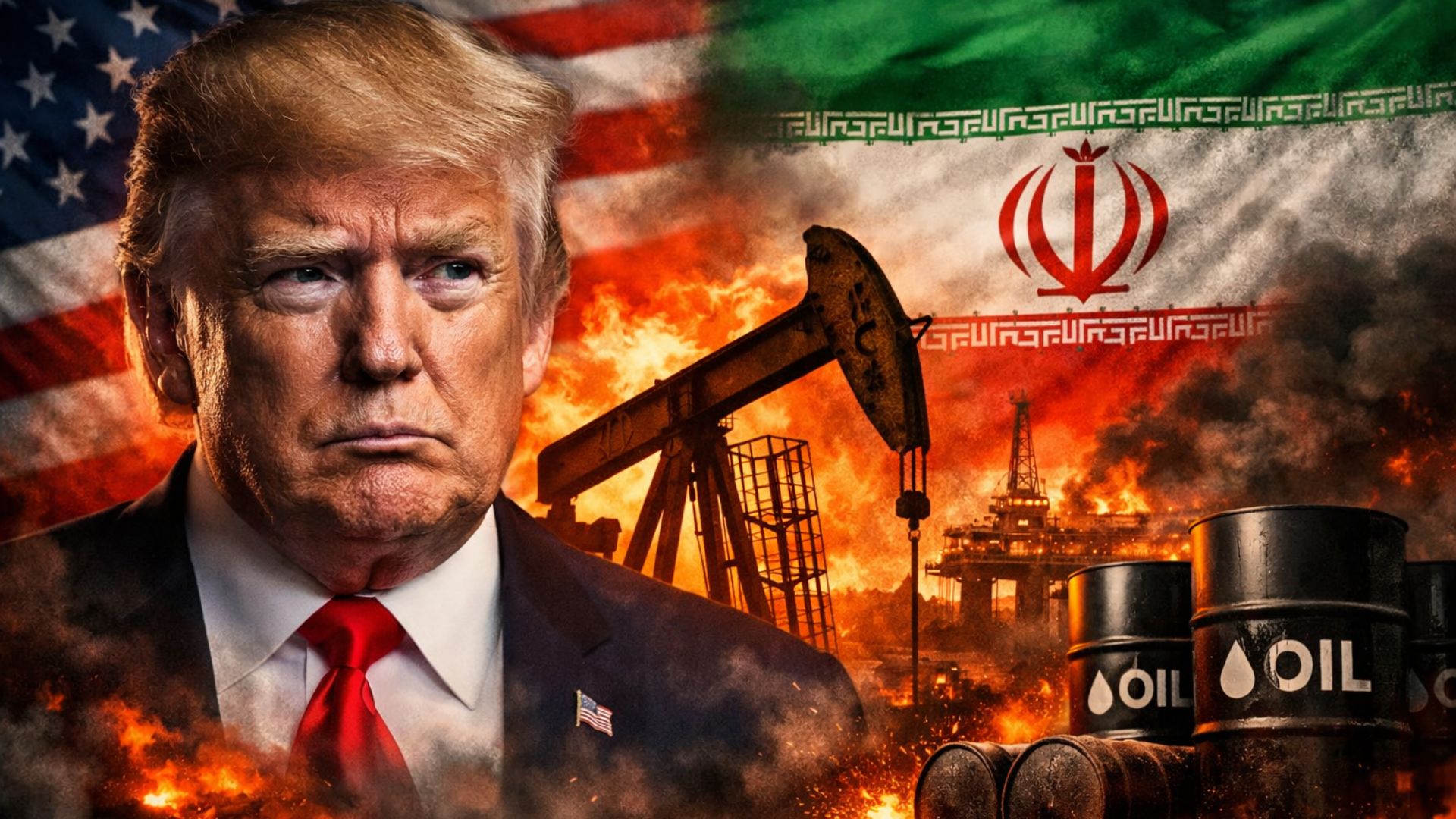
The Fall of Oil Affects Global Markets After Trump’s Statements on the Possible Reduction of the War in the Middle East, Raising Expectations for Cheaper Fuels and Lower Inflationary Pressure Around the World.
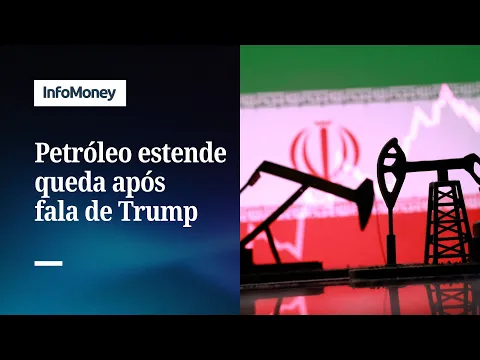
The oil registered a sharp drop in the global markets this Tuesday following statements from U.S. President Trump, indicating that the war in the Middle East may be closer to an end than initially expected. The immediate reaction from investors reflected reduced concerns about prolonged disruptions in global energy supply.
According to an article published by CNN Brasil this Tuesday (10th), Brent futures contracts, the international benchmark for the price of the commodity, fell US$ 6.28, or 6.3%, trading around US$ 92.68 per barrel. Meanwhile, WTI (West Texas Intermediate), the U.S. benchmark, declined US$ 6.19, or 6.5%, trading close to US$ 88.58 per barrel.
During the trading session, both contracts experienced losses of up to 11%, before reducing part of their declines. The sharp change in trend came a day after the market recorded a significant surge in prices.
-
Petrobras surprises the world again by announcing a new discovery in the pre-salt with excellent quality oil.
-
Offshore industrial demand in Macaé skyrockets with the recovery of oil and gas and could grow by up to 396% by 2026 in the Campos Basin.
-
Offshore industrial demand in Macaé surges with the recovery of oil and gas and could grow by up to 396% by 2026 in the Campos Basin.
-
Brazilian giant expands borders in the Southeast: Petrobras confirms new oil discovery in ultra-deep waters in the pre-salt of the Campos Basin.


The movement highlights how quickly the energy market reacts to geopolitical factors. Any sign of easing tensions in key producing regions tends to directly influence investor expectations and the behavior of international prices.
Escalation of the War in the Middle East Had Driven Oil Above US$ 100
Prior to the correction observed this week, oil had been recording strong appreciation in the global markets due to the escalation of the war in the Middle East. The conflict involving U.S. forces and Iran heightened fears of a significant interruption in global supply.
On Monday, commodity prices surpassed US$ 100 per barrel, reaching the highest level since mid-2022. The increase occurred amid concerns about possible impacts of the conflict on oil production and transportation in the region.
In addition to military tension, the market had also been reacting to supply cuts implemented by Saudi Arabia and other allied producers. These measures had been limiting the amount of oil available in the international market, contributing to upward pressure on prices.
When these supply restrictions combine with geopolitical crises, the effect is usually a rapid and intense price spike. This happens because investors begin to factor in a “risk premium” in their trades, anticipating potential supply issues.
Trump’s Comments Reduce Tension and Change the Mood of Global Markets
The change in market behavior occurred after statements from Trump in an interview with CBS News. He suggested that the conflict might be closer to an end than previously anticipated.
The president stated that the war against Iran was well advanced and that the United States was “well ahead” of the previously estimated schedule, which was four to five weeks. This type of statement has an immediate impact on global markets, especially in the energy sector.
When investors perceive that the duration of a conflict may be shorter than expected, the trend is to reduce the risk premium built into the price of oil. As a result, the commodity undergoes a natural price adjustment, reflecting expectations of greater stability in international energy supply.


Analysts Evaluate Exaggerated Market Reaction After Oil Drop
Energy sector experts assert that the market’s reaction may have been exaggerated both on the rise and the fall of oil. In times of geopolitical tension, volatility tends to increase significantly.
Suvro Sarkar, head of the energy sector team at DBS Bank, highlighted that Trump’s comments regarding the possible duration of the war in the Middle East helped calm investors.
According to the analyst, the market may have reacted excessively to the risk scenario at the beginning of the week and subsequently to the signal of possible de-escalation of the conflict.
He also noted that some indicators show that the fundamental conditions of the market remain relatively tight. Types of oil from the Middle East, such as Murban and Dubai, continued to trade above US$ 100 per barrel.
This indicates that, despite the decline observed in futures contracts, part of the market remains cautious in light of uncertainties surrounding the regional conflict.
Tensions with Iran Maintain Uncertainty Over Oil and War in the Middle East
Despite the recent decline in prices, the geopolitical scenario remains unstable. Iranian authorities reacted to statements made by Trump, asserting that the country will play a decisive role in the outcome of the war in the Middle East.
According to information released by Iranian state media, the Islamic Revolutionary Guard Corps declared that Iran could determine the end of the conflict.
Military authorities also stated that Tehran will not allow “one liter of oil” to be exported from the region if attacks from the United States and Israel continue.
This type of threat heightens concern among investors and governments. The Persian Gulf region concentrates a significant portion of global oil production and exports, and any interruption in this flow could provoke new price spikes. For this reason, even after the recent drop, analysts are still closely monitoring the evolution of the crisis.
Possible International Measures to Contain the Rise in Oil Prices
Another factor that contributed to pushing commodity prices was the discussion about possible measures to increase global oil supply. According to analysts, the Trump administration was evaluating several alternatives to contain rising prices in the global markets. Among the options being discussed are the easing of sanctions on Russian oil and the release of strategic reserves.
Sources indicate that these measures would be part of a package of options aimed at stabilizing energy prices and reducing inflationary pressure. The G7 nations have also stated that they are prepared to take “necessary measures” in response to the recent rise in oil prices. However, the group has not confirmed whether there will be an immediate release of emergency reserves.
Analysts from the brokerage Phillip Nova stated that discussions surrounding the easing of sanctions against Russian oil and the use of strategic reserves send a clear message to the market: more barrels may come to the international market if prices remain high.
Impacts of Oil on Global Markets and Global Inflation
The behavior of oil has a direct impact on global markets and the world economy. The commodity is one of the main energy inputs used in transportation, industry, and power generation.
When oil prices rise rapidly, logistics and production costs tend to increase. This can generate inflationary pressure in various countries, especially in economies that rely on fuel imports.
On the other hand, when there is a drop in prices — as occurred following Trump’s comments on the war in the Middle East — the effects can be positive for consumers and businesses.
Among the main impacts are the reduction in the price of gasoline and diesel, lower transportation costs, and greater predictability for productive chains. These factors help explain why investors closely monitor any changes in the geopolitical scenario involving oil-producing regions.
Why the Middle East Continues to be Determinant for the Balance of the Energy Market
The war in the Middle East remains one of the main risk factors for global energy markets. The region concentrates some of the largest oil reserves on the planet and plays a central role in international supply.
Countries like Saudi Arabia, Iran, Iraq, Kuwait, and the United Arab Emirates are responsible for a significant share of the global production of the commodity.
In addition to production, the Middle East hosts strategic routes used for oil transportation, including maritime corridors that are vital for international trade.
Any political or military instability can affect these routes and cause immediate impacts on energy prices. For this reason, statements from international leaders — such as those made by Trump — often elicit swift reactions in the markets.
A Market Sensitive to Geopolitics and Supply Expectations
The recent drop in oil prices in the global markets demonstrates how geopolitical factors can rapidly alter the behavior of energy commodities. Trump’s statements suggesting that the war in the Middle East might end soon helped to reduce the risk premium embedded in prices.
Still, experts warn that the scenario remains uncertain. Tensions involving Iran, decisions by major producers, and potential international measures to increase supply may continue to influence prices in the coming months.
For consumers and governments, a decline in oil prices can represent significant relief for fuel and inflation. However, while conflicts in the region persist, the energy market will remain subject to episodes of strong volatility.
In this context, investors, analysts, and economic authorities must continue to closely monitor the developments of the crisis in the Middle East and its impacts on the global balance of oil supply and demand.







-

Uma pessoa reagiu a isso.