





 English
  Francês
  Alemão
  Italiano
  Japonês
  Norueguês
  Portuguese
  Spanish
  5 min of reading



While First World Politicians Try to Eliminate Fossil Fuels, in Countries That Need Capital and Are Rich in Natural Resources Like Brazil, Oil Is Still King
First world countries are in the race for energy transition and are trying to eliminate fossil fuels, but this reality has not reached countries that need capital and are rich in natural resources like Brazil, where oil is still king. Last week, Petrobras, the world leader in deep and ultra-deep water exploration and production, announced investments of US$13 billion in the Campos Basin and promises to generate jobs, taxes, royalties, special participations and dividends!
Read Also
- Brazil Does Not Deserve to Be Delayed in Its Growth and Development by Measures That Interfere in the Management of a Company Like Petrobras
- New Technology Shields Steel from Corrosive Action and Revolutionizes the Industry Worldwide, Replacing Costly Traditional Methods of Blasting, Mechanical Treatment, and Painting, Lasting Up to 10 Years Without Shutdown or Maintenance
- Leading Mining Multinationals in Latin America Invest in Smart Security to Accelerate Growth in the Sector
- Brazilian Oil Giant Chooses SBM Offshore for the 26-Year Charter of the Largest FPSO Platform in Brazil to Be Installed at the Largest Deepwater Oil Field in the World
- Portugal Calls for Brazilian Labor for 400 Job Openings to Work at the French Multinational Natixis; There Is No Age Limit
For the joy of professionals in Brazil’s oil sector, while energy transition is occurring around the world, it has not yet reached the streets of Ilha da Conceição, the neighborhood in Niterói at the center of the oil renaissance in Rio de Janeiro.
There, buses and trucks pile up at the Baker Hughes yard, where the energy services giant is installing hundreds of kilometers of oil and gas pipelines. On another street, Exxon Mobil is loading supplies to explore the largest offshore oil fields in the country. Royal Dutch Shell and TotalEnergies have similar plans for the end of the year.
-
Brazilian giant expands borders in the Southeast: Petrobras confirms new oil discovery in ultra-deep waters in the pre-salt of the Campos Basin.

-
Alert in the global energy market: Severe tropical cyclone hits the coast and disrupts gas production at major plants in Australia, threatening global supply.

-
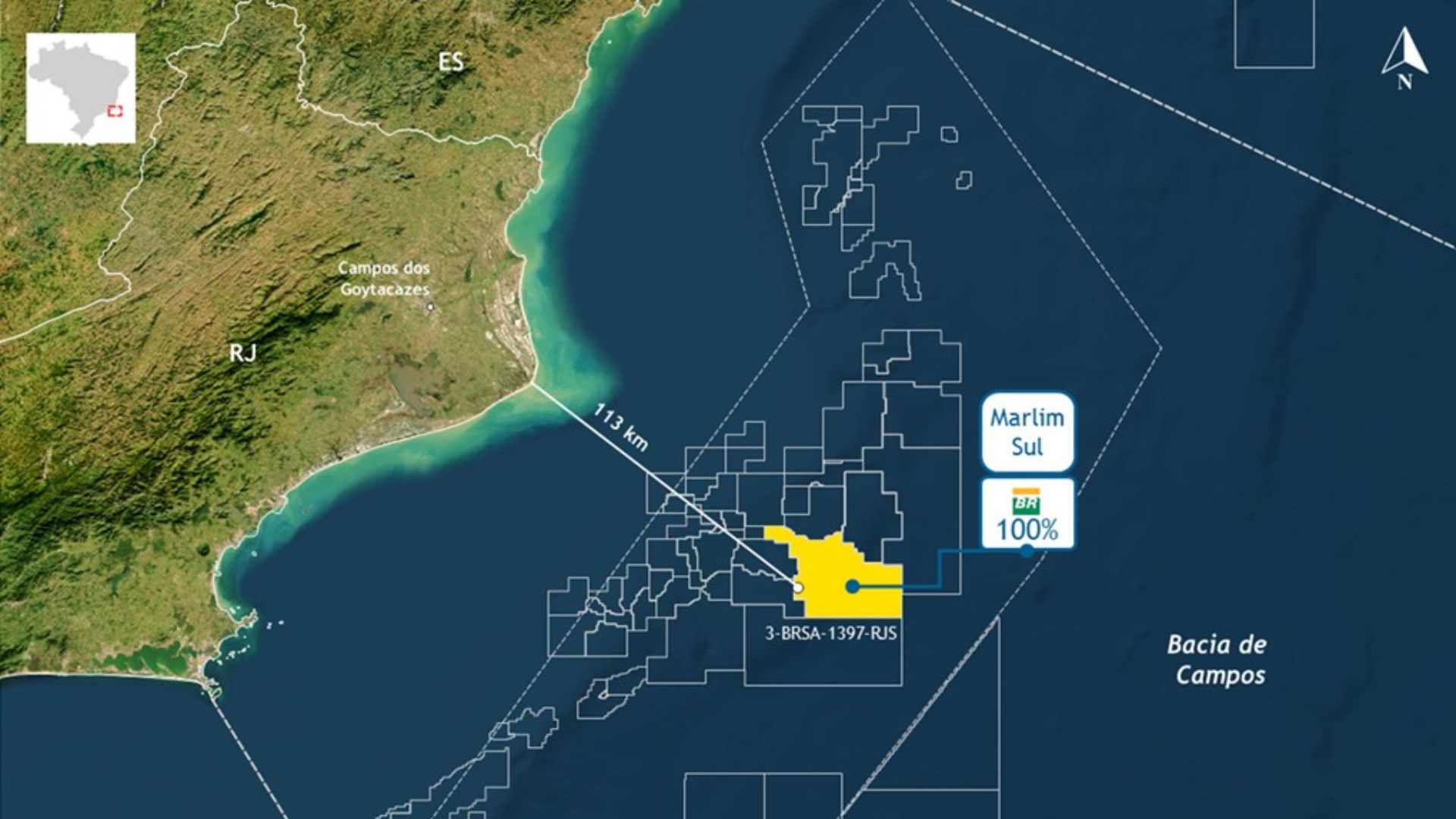
Petrobras finds high-quality oil in the pre-salt at 113 km from RJ and reignites expectations about strategic reserves in the Campos Basin.

-
Ocyan opens registrations for startups focused on innovation in the oil and gas sector and will select projects for Innovation Day with the support of Nexio.


Brazil Aims to Double Oil Production by 2030 to Become the Fifth Largest Exporter in the World
While first world politicians try to eliminate fossil fuels, in countries that need capital and are rich in natural resources like Brazil, oil is still king. Except for the United States and OPEC, Brazil is the country expected to increase crude oil production the most by 2026.
In 2020, while the rest of the world limited oil production amid the pandemic, Brazil was one of the few that increased production, more than any other nation outside OPEC, except Norway. Brazil aims to double its oil production by 2030 to become the fifth largest exporter in the world and, even if it doesn’t reach that goal, low-cost oil fields have positioned the country well to emerge as one of the last strongholds in the world for energy transition.
Currently, Brazil is recovering and experiencing its best moment in recent years. Energy transition? If you have oil, why not drill until the last drop?
With the country’s world-class oil reserves, favorable legislation, and broad political support for the oil and gas sector, hundreds of millions of dollars are being spent to find new wells.
According to Schreiner Parker, Vice President for Latin America at Rystad Energy, in 10 years, major oil companies may stop seeking these types of mass expansion projects. But until then, they need to secure supplies that last until 2040 with consumption still rising, especially in China.
ANP Expects New Well Drilling to Quadruple This Year
All of this makes the South Atlantic a sort of safe haven for an industry increasingly fleeing the weakening of the economic model and more aggressive climate policies elsewhere. The ANP expects new well drilling to quadruple this year, to 19. Rystad has a more modest forecast for oil exploration, predicting a doubling of the number, with even more wells next year.
“All the major companies are getting ready to drill,” said Roberto Monteiro, CEO of Petro Rio. “The action is here.”
Despite the recovery, the Brazilian oil industry shows a picture very different from a decade ago; currently, investments by the Brazilian oil giant Petrobras represent only a fraction of the US$ 40 billion per year that the state-owned company spent during the years of expansion.
It is worth noting that although more wells are being drilled, it does not necessarily mean that oil production will increase as much as the government’s forecasts. In a situation very similar to the shale gas fields in the United States, this intense activity is partially necessary, even if it is just to maintain current production levels as productivity from older wells begins to decline.
At the same time, the expansion of oil production is expected to further increase exports to hungry consumers in Asia.
According to the Minister of Mines and Energy, Bento Albuquerque, the energy transition is a wake-up call to discover as much oil as possible before it begins to be phased out, although the country simultaneously bets on biofuels and seeks to reduce emissions from oil and gas operations to meet climate targets.
Owner of World-Class Assets and High Value Creation, Petrobras Will Install Three New Platforms in the Campos Basin, Generating Many Job Opportunities in the Next Five Years
Petrobras plans to invest US$ 13 billion in business in the Campos Basin between 2021 and 2025, mainly for the revitalization of oil fields, and promises to generate jobs, taxes, royalties, special participations, and dividends. At the same time, companies that acquired fields in the region previously operated by Petrobras have been promoting a boost in the oil and gas sector and prospects for improvements in local economies.
At least six new companies have begun operations in the region, with expectations of boosting production. Increased production will generate greater returns for society through taxes, royalties, special participations, jobs, and dividends. According to data from the Federation of Industries of the State of Rio de Janeiro (Firjan), four of the companies that purchased assets in the region have already presented development plans totaling R$ 13.2 billion.
Part of Petrobras’s strategy is to continue producing strongly in this important oil basin, and a major renewal plan is underway, with investments already being made and planned for the coming years. Petrobras has invested US$ 53 billion in the region over the last 10 years, bringing more than 270 wells into operation, as well as 10 new production systems.
Owner of world-class assets and high value creation, Petrobras will install three new platforms in the Campos Basin over the next five years. The installation of two platforms in the Marlim field is scheduled for 2023 – with a combined capacity to produce 150,000 barrels of oil per day (bpd) and process 560,000 barrels of liquids per day – and one unit for 2024 for the integrated complex of Parque das Baleias, with the potential to produce alone 100,000 bpd of oil and process 240,000 barrels of liquids per day.






Seja o primeiro a reagir!