





 Portuguese
  English
  Spanish
  5 min of reading
  0 comments


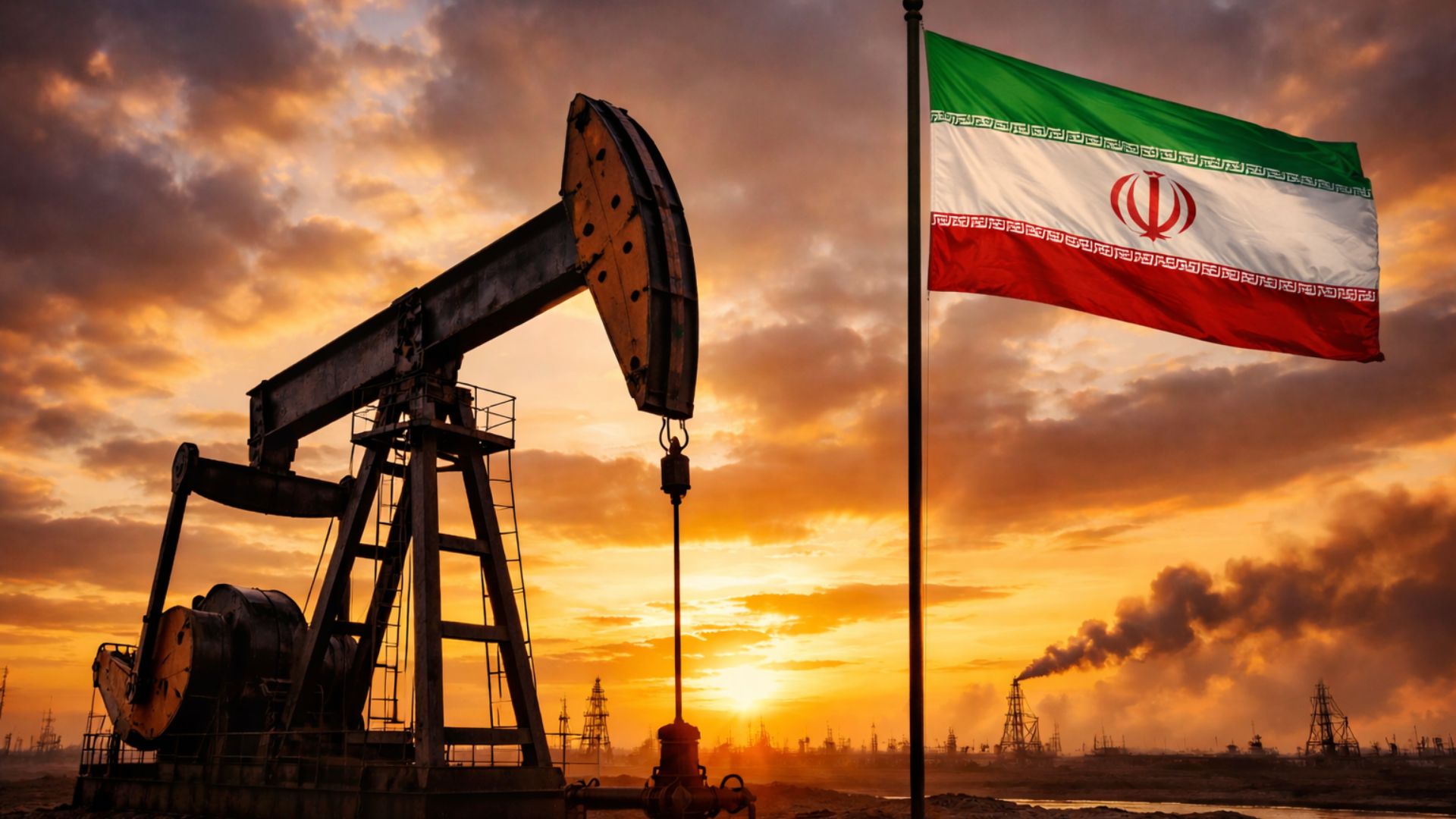
The Tension Between The United States And Iran Resumes To Influence The Energy Market, Driving Up Oil, Raising Concerns About Global Supply, And Interrupting Recent Declines In The Financial Market.
On January 23, 2026, oil prices registered a strong rise in the international market following new statements from the President of the United States, Donald Trump, directed at Iran, rekindling fears about possible disruptions in the global supply of crude oil. The move interrupted a recent streak of market declines, bringing geopolitics back to the forefront of investors’ attention.
The information was reported by specialized media in the financial and energy markets, such as Infomoney, based on data from international exchanges, investment bank reports, and official statements from the U.S. government. The price reaction was immediate, reflecting the market’s sensitivity to any signs of instability in strategic energy production regions.
Oil Reacts Quickly To The Geopolitical Escalation Involving Trump And Iran
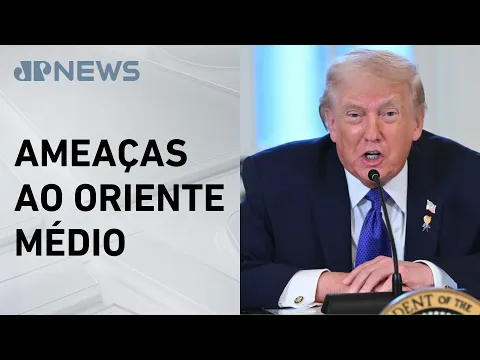
The surge in oil occurred a day after Trump stated that the United States has a “fleet” on strategic deployment amid rising political and social tensions in Iran. The statement raised the alert level in the energy market, particularly due to the importance of the Middle Eastern country for global supply.
-
Lula reveals a masterstroke by Petrobras to undo a deal made by Bolsonaro, which involves the return of an important refinery that currently produces less than half of what was expected and makes Brazil dependent on international diesel.
-
A study confirms that the natural gas sector will reduce greenhouse gas emissions in Brazil by 0.5% and accelerate the energy transition by 2026.

-
Petrobras implements a severe adjustment and confirms a 55% increase in the price of aviation kerosene with a proposal for installment payments for the companies.

-
The rise in oil prices could ensure an extra revenue of R$ 100 billion for the Federal Government, indicates a recent economic study.


The Iran ranks among the top producers in the region, with production exceeding 3 million barrels per day, according to data from international energy agencies. Any associated risks with the country tend to directly impact market balance, as the global supply already operates with relatively tight margins. This type of movement shows how oil remains highly dependent on external factors, especially political and military decisions.
Trump Intensifies Rhetoric And Increases Perception Of Risk To Global Supply
Since the intensification of internal protests in Iran, Trump has adopted a more aggressive stance in his public statements, reinforcing criticisms of the Iranian government and its nuclear program. In an interview with journalists aboard Air Force One, the U.S. president confirmed the mobilization of warships toward the Asia-Pacific region.
This positioning increased the perception of risk among investors, who began to price in the possibility of additional sanctions or conflicts that may affect the country’s export flow. Historically, statements of this kind elevate the so-called geopolitical premium of oil, even when they do not result in immediate actions.


Barrel Price Rises And Halts Declines In The International Market
After closing the previous session with a decline of nearly 2%, oil began Friday’s trading with a strong increase. Future contracts for Brent, an international benchmark, due in March, rose 1.8%, trading at US$ 65.20 per barrel around 10:04 AM Brasilia time.
The movement represented a clear reversal of the negative trend observed in previous days and was interpreted as a technical adjustment driven by geopolitical factors.
As a result, the market temporarily halted declines, reinforcing important support levels considered by analysts. Nevertheless, experts point out that the rise still depends on concrete developments to sustain itself in the medium term.
Oil Boosts Petrobras And Influences The Brazilian Market
In Brazil, the appreciation of oil directly reflected on the sector’s assets. Shares of Petrobras (PETR3 and PETR4) opened trading following the international movement and extended gains throughout the day.
The PETR3 opened quoted at R$ 36.28 and advanced to R$ 37.38, with a rise of 3.03%. Meanwhile, the PETR4 rose from R$ 33.58 to R$ 34.71, registering an appreciation of 3.37%. The positive performance of the stocks helped sustain the Ibovespa in an upward trend, on a day of more cautious performance in external markets.
Goldman Sachs Sees Opportunity In The Oil Sector
In addition to Petrobras, other companies in the sector also benefited from the new scenario. Goldman Sachs raised its recommendation for PRIO (PRIO3) shares from neutral to buy, setting a target price of R$ 58.45.
According to the bank’s analysts, the company is expected to have strong organic production growth, as well as greater visibility in cash generation and dividend payments. By early afternoon, PRIO shares were up 4.74%, trading at R$ 48.44.
The positive assessment reinforces the understanding that, even in a volatile environment, well-positioned companies can capture value when oil recovers in the international market.
What To Expect From Oil After Trump’s New Statements
Despite the immediate reaction, large financial institutions remain cautious about the sustainability of the oil rise. For JPMorgan, the geopolitical premium currently embedded in prices remains limited, even in light of recent statements from Trump regarding Iran.
Analysts assess that the likelihood of direct military action has decreased in recent weeks, with signs that both parties still consider diplomatic solutions. This factor reduces the potential for a more intense escalation of prices in the short term.
Venezuela And Other Factors Affecting Global Supply
The bank also highlights that the situation in Venezuela, another sensitive point for global supply, has shown reduced volatility. The increase in Venezuelan exports has helped alleviate some pressure on the international oil market, reducing more abrupt price fluctuations.
Additionally, the announcement by Ukrainian President Volodymyr Zelenskyy about a trilateral meeting in the United Arab Emirates helped reduce the geopolitical risk premium by signaling diplomatic efforts on different global fronts. These factors help explain why, despite the recent rise, the market still adopts a defensive posture.
Recent Interruptions Help Contain Declines In The Oil Market
Even with a more controlled perception of risk, JPMorgan believes that recent interruptions in production have helped sustain oil prices above what is considered fair value. Among the main factors are production issues in Kazakhstan and interruptions in the flows of the CPC pipeline, responsible for the export of oil from the region.
Another relevant element was the slowdown in the growth rate of visible global inventories, which fell to 0.7 million barrels per day in the last two weeks, down from 1.7 million in the previous four weeks. This movement helped reduce selling pressure and limit new declines in the market.
Weak Demand Limits Stronger Advances In Oil
Despite the recent support, analysts warn that structural factors continue to limit more consistent appreciation of oil. Weaker seasonal demand and the existence of a broader surplus in the global market reduce the space for new significant highs.
According to JPMorgan, prices are not expected to fall significantly, but there are also no solid fundamentals for a prolonged surge, even with tensions involving Trump, Iran, and global supply.
Oil Remains Sensitive To Geopolitics And Attentive To Upcoming Movements
The market’s reaction on January 23, 2026 reinforces how oil remains highly sensitive to geopolitical events, especially when involving Trump and Iran, two central actors in the debate on energy security. The rise was sufficient to interrupt a streak of market declines, boost sector stocks, and reignite the debate on risks to global supply.
Still, the prevailing scenario among analysts is one of caution. The market acknowledges the short-term support but maintains moderate expectations for the medium term, given controlled demand and geopolitical risks that, for now, remain in the realm of statements.








Seja o primeiro a reagir!