





 Portuguese
  English
  Spanish
  3 min of reading



The Brent Crude Oil ended the month of October with the price around US$ 83, a variation above 120% compared to the same period in 2020. In March of the previous year, the values were even lower, costing around US$ 22, with drops reaching almost 50%.
The biggest variations in 2021 occurred in February, when truck drivers threatened the Brazilian government with a strike after constant increases in the price of diesel and gasoline. The total accumulated variation for the population at the refineries has already reached 50%.
On this Tuesday (02), the value is falling by 0.7% in the international market. However, expectations are that this will not directly impact the Brazilian population. In at least seven states, the price of a liter of gasoline reached more than R$ 7, as is the case in Acre, Rio de Janeiro, and Rio Grande do Sul.
-
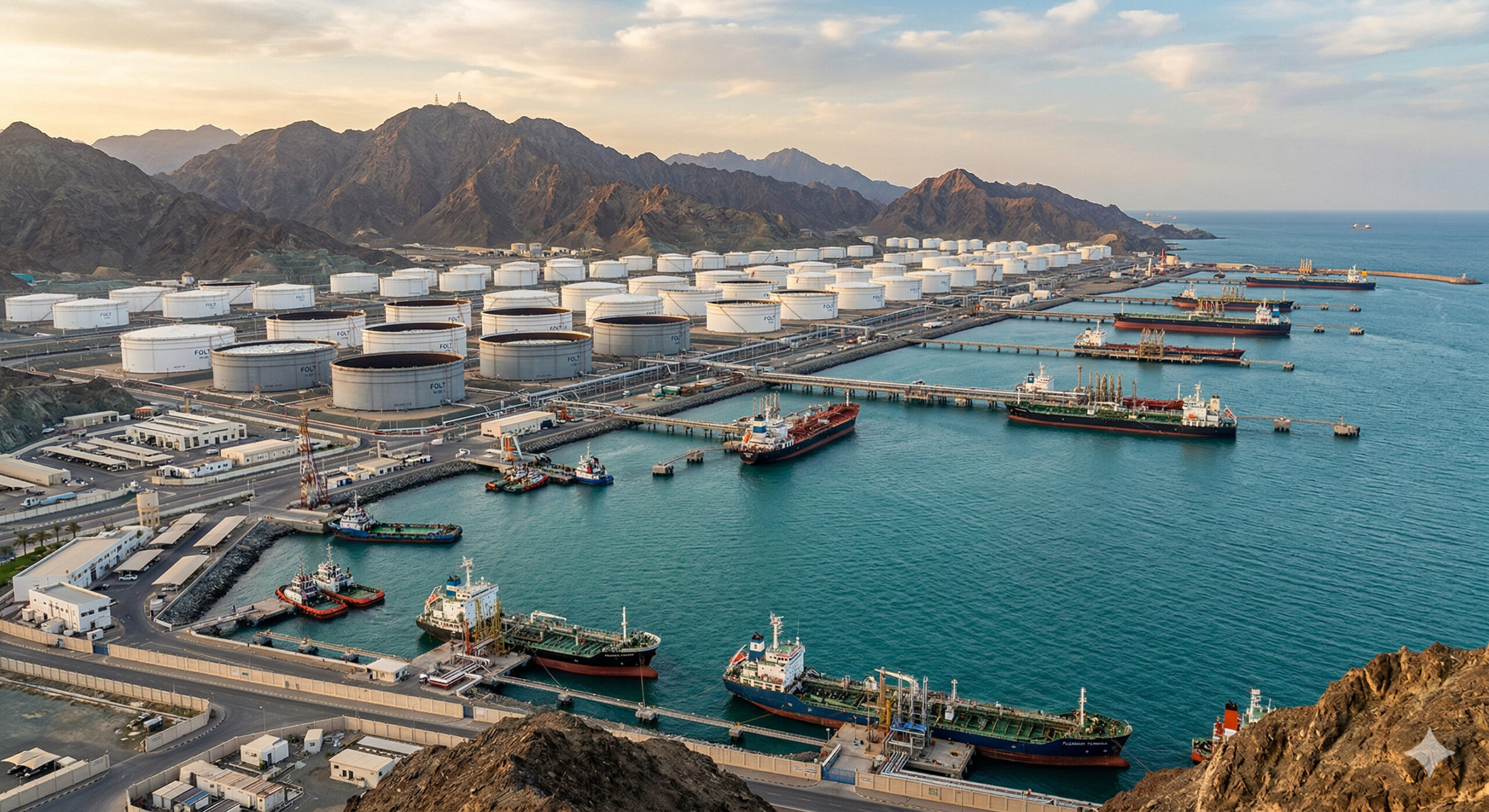
Giant reservoirs with a capacity of 18 million cubic meters have turned Fujairah into one of the largest energy vaults on the planet. This facility, located outside the Strait of Hormuz, stores oil on a colossal scale and has become a silent piece that supports the global flow of fuels.
-
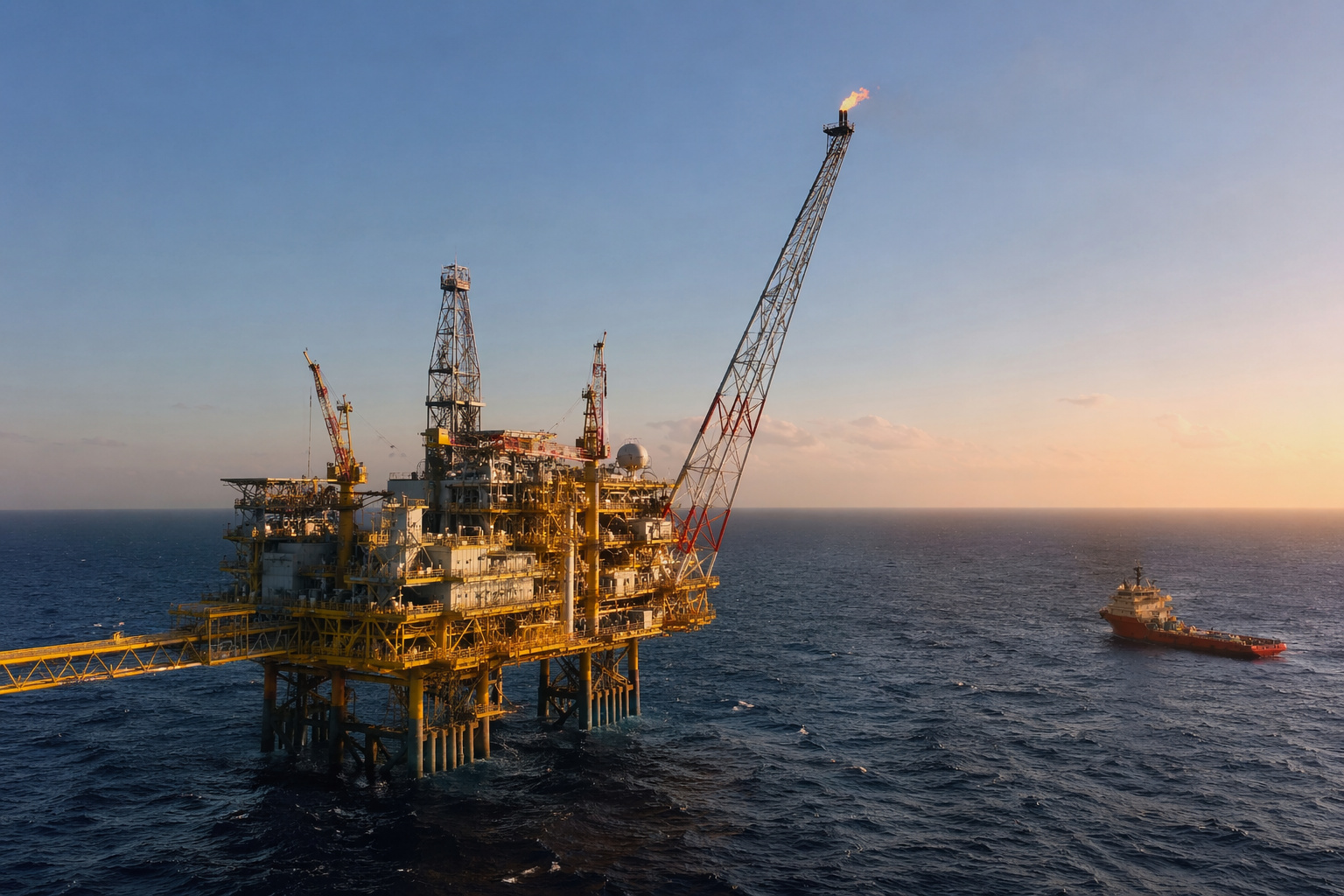
The next exploration auction in the pre-salt will offer 23 blocks in the Campos and Santos basins and may change the interest of oil companies in Brazil.
-
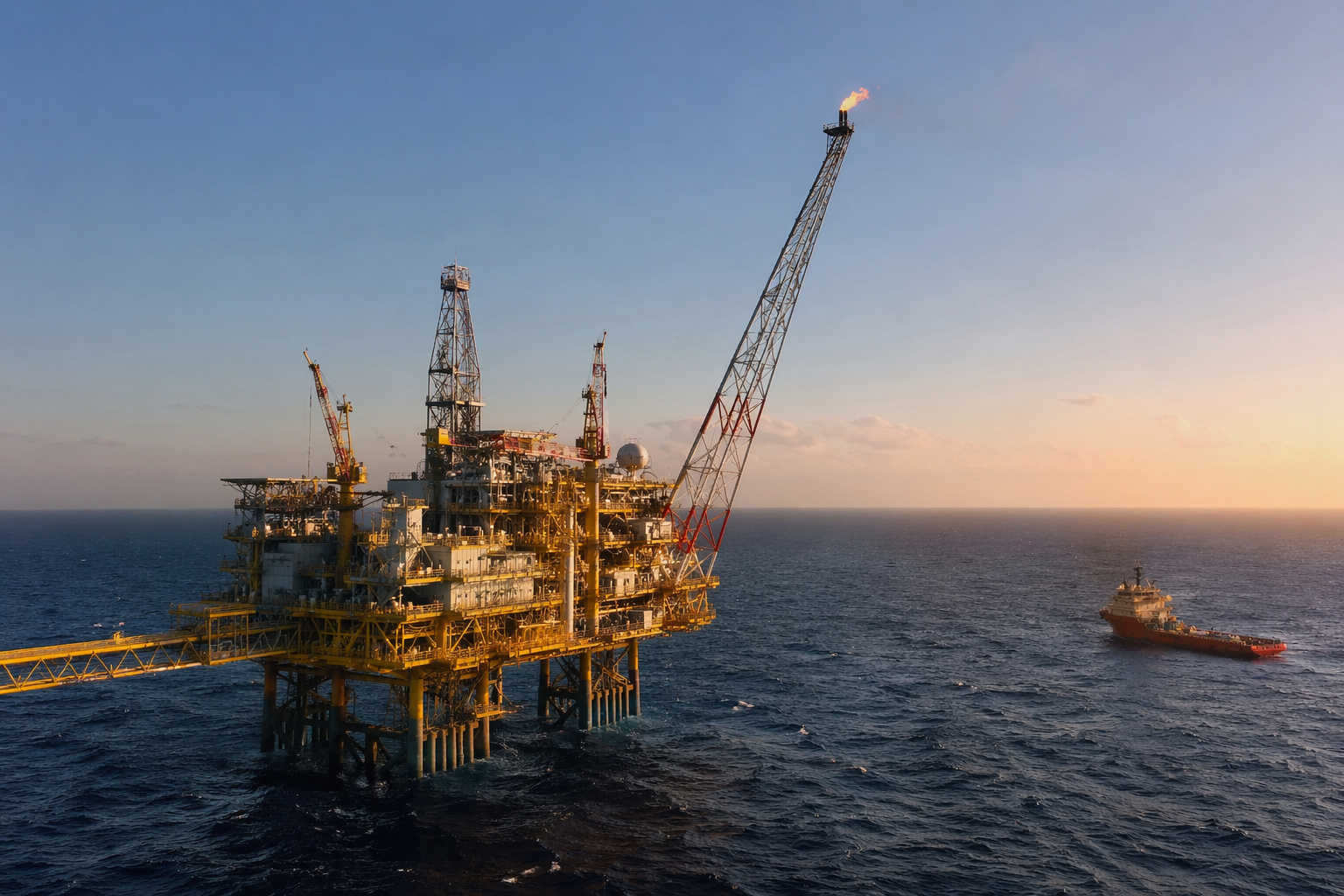
The next exploration auction in the pre-salt will offer 23 blocks in the Campos and Santos basins and could change the interest of oil companies in Brazil.
-
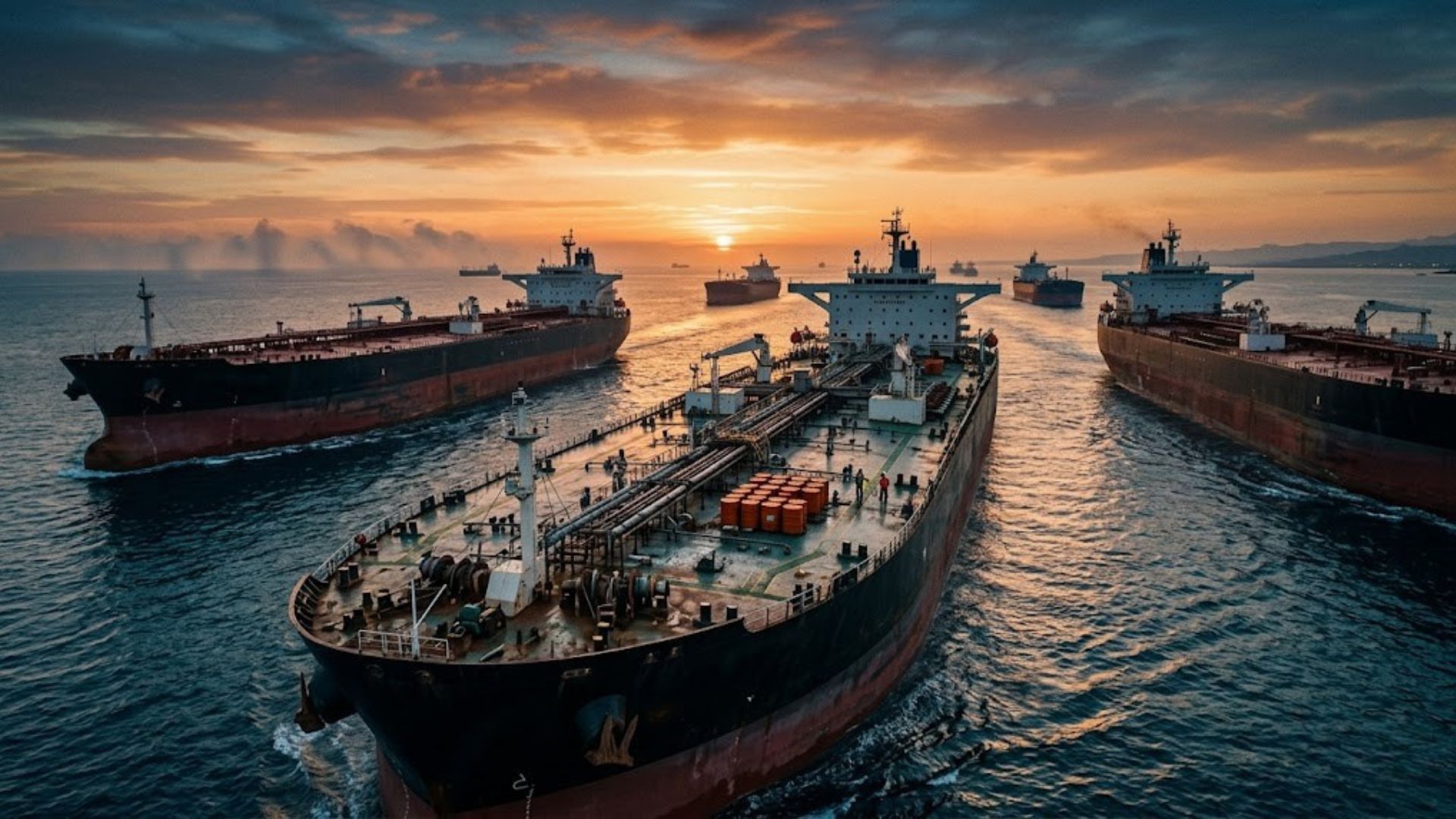
Red Sea, from biblical site to oil hope: South Korea reveals ambitious plan to create new oil routes through the Red Sea with the dispatch of 5 ships, agreements with 3 countries, and a focus on the strategic port of Yanbu.
In Santa Catarina, economists argue that it could exceed the mark of R$ 8. The President of the Republic, Jair Bolsonaro, stated in an interview in Italy for the G20 that Petrobras could implement new price increases in November and that, for this reason, he is considering the privatization of the company.
- Read more:
- Ibovespa: What Is Causing the Accumulated Drop of 11.31% in 2021?
- Bank Stocks in November: Which to Invest In and What Moves the Market
- Job Openings in the Economy Field: See Banks That Are Hiring
- Assaí Has Hundreds of Job Openings for Butchers, Helpers, Packers, Forklift Operators, Auditors, Analysts, Designers, and More for Its New Center in Salvador, Bahia
One of the largest declines in the oil sector occurred in March 2020 when it reached around US$ 22, having a lower value than periods in 2019 and 2018. During the truck drivers’ strike that occurred in February of this year, the average price of the barrel was US$ 44.
Can the Dollar Influence the Price of the Oil Barrel?
The dollar in relation to the real is costing around R$ 5.68, with an increase reaching 0.5% on the last Monday (01). One of COPOM’s initiatives to control the values has been to change the basic interest rate, the Selic, to 7.7% per year. However, this measure has not been one of the most effective for price control. Consequently, the barrel price, being in dollars, is also affected.
Considering the current price of US$ 84.44 with the dollar at R$ 5, Brazil would pay R$ 422.2. However, with the US currency at R$ 5.68, the cost to buy each barrel would be R$ 479.64 in direct conversion. A value that can make a huge difference when analyzing national scales.
Truck Drivers’ Strike May Cause New Instabilities
Both the strikes in February and September by truck drivers and other sector unions caused the dollar, the U.S. currency, to rise. As a consequence, there was also a decrease in Ibovespa and its operations.
The STF, Supreme Federal Court, considering the consequences of the disruptions, published more than 20 injunctions prohibiting sector workers from stopping the roads. If they did not obey the rules, they would be subject to being forcefully removed by the Federal Police (PF) and to pay fines of varying amounts. Consequently, adherence was lower, and the sector stated that they would strike but in other locations besides the highways.








Seja o primeiro a reagir!