






 Portuguese
  Spanish
  3 min of reading


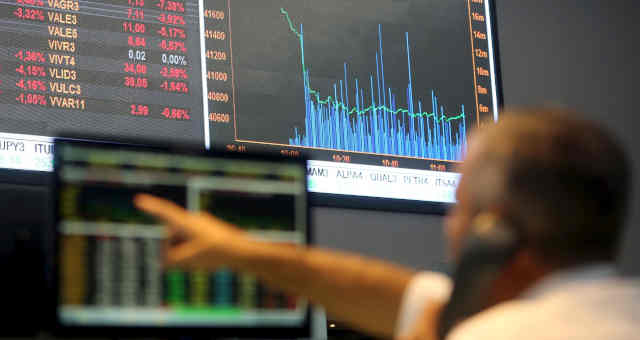
On the last Monday (01), the Ibovespa closed up 1.98%, easing part of the accumulated decline over the past months, which reaches 11.31%. Over the last 52 weeks, with the history from November 2020 to 2021, there is still a slight appreciation of 12.3%. The reason for the new appreciation this week is due to the increase in the basic interest rate, the Selic, which went up to 7.7% per year after the meeting held by COPOM.
Thus, investors are once again seeing a positive scenario for monetary investments in Brazil: the rise in interest rates may finally reduce the IPCA indices that are accumulated at 10.2% and, therefore, lead to a slight depreciation of the dollar against the real.
Currently, the U.S. dollar is trading up 0.43% at R$ 5.67, which may impact a new wave of increases in fuels such as gasoline and diesel. At the G20 summit, the President of the Republic, Jair Bolsonaro, discusses this possibility and argues that an adjustment should be made by the Brazilian state-owned company, Petrobras. The accumulated increases in 2021 have already surpassed 50%.
-
Brazilian Joins Homeownership Consortium, Faces Decade of Dual Payments Totaling $141,000, Surpassing Traditional Mortgage

-
Land Rover to Halt Production in July, Putting 371 Jobs at Risk, as Chinese Automaker Negotiates to Convert Factory to 100,000 Vehicles Annually by 2027

-
Mexican Pest Threatens U.S. Cattle Herds at Historic Lows, Potentially Boosting Brazilian Beef Exports as Burger Prices Soar

-
Brazilian Freight Bill Progresses in Congress with $5,000 Minimum Wage, 70% Advance Payment, and Fines Up to $1 Million, as Agriculture and Industry Warn of Rising Costs and Legal Uncertainty


| Min — Max (Day) | 103513 – 106135 |
| Variation (Day) | +1.98% |
| Variation (Month) | +1.98% |
| Variation (2021) | -11.31% |
| Variation (52 weeks) | +12.34% |
Rising Inflation Causes Ibovespa Crash
There are several reasons that can trigger the increase in Brazilian inflation. Economists argue that emergency aid has some blame: the more money is in circulation, the higher the prices of products and services.
Another cause, which may have led to the significant increase in the Broad Consumer Price Index (IPCA) accumulated at 10.2%, is the rise of the dollar, which caused many farmers to sell their products abroad instead of Brazil.
As a result, stocks have decreased in the country, triggering the law of supply and demand: the less there is and the higher the demand, the price tends to rise so that only those with more means can buy. This is why, in some Brazilian regions, rice has cost more than R$ 40 for a 5 kg bag.
A similar situation occurred in Brazil during the 1930s when Getúlio Vargas ordered that sacks of coffee be burned or discarded: there was too much production for a demand that was not as high. Consequently, prices began to fall due to excess inventory, which harmed the economy. It was necessary to think of ways to ensure a reduction in the high inventory to align with the demand and have a readjustment of values.
The rise in inflation indicates economic instability. Therefore, it tends to cause a significant decrease in the number of transactions taking place within the Brazilian Stock Exchange.
Selic Rate Enters as a Hope for Ibovespa
The rise in the Selic rate comes as a hope to stabilize the Ibovespa, just as the privatization of some state-owned companies such as Petrobras, currently led by Luna and Silva. After the President of the Republic, Jair Bolsonaro, discussed the possibility of privatization, the stock market rose by over 2%. João Dória, governor of the state of São Paulo, also shares the same objectives.
For the year 2021, it is estimated that the Selic rate will end at 8.5%. However, for the year 2022, interest rates will continue to rise until reaching 10% before potentially showing variations and decreases thereafter.





Be the first to react!