





 Portuguese
  English
  Spanish
  5 min of reading


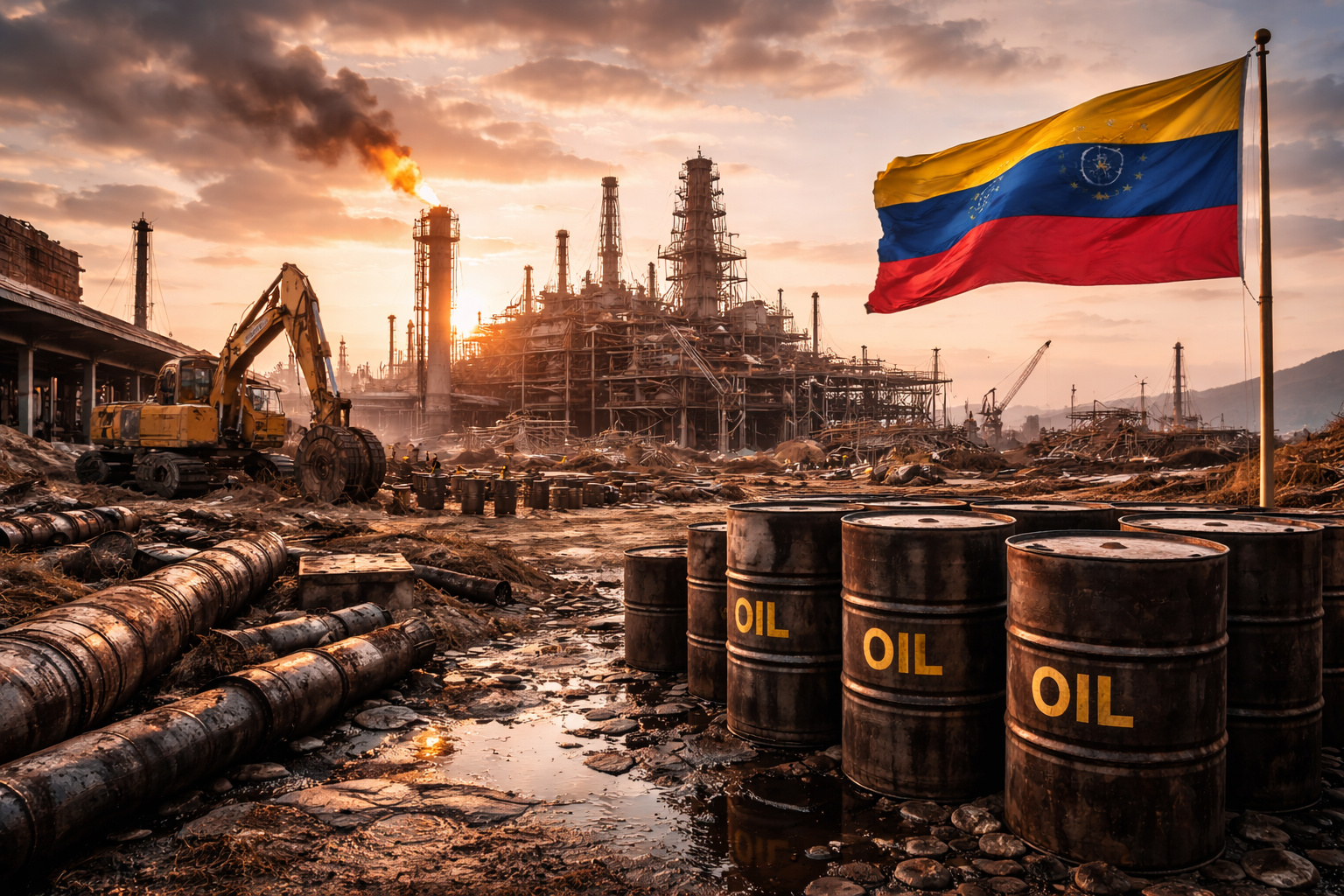
The oil has returned to the center of international debate following statements from the President of the United States, Donald Trump, about the possibility of revitalizing Venezuela’s oil production. According to Trump, American companies could invest billions of dollars, recover a severely damaged infrastructure, and start generating revenues for the country after the fall of Nicolás Maduro.
However, despite the optimistic rhetoric, experts and international reports point to a much more complex reality. Reviving the flow of Venezuelan oil production will not be simple, quick, or cheap. On the contrary, it is a long, costly process filled with technical, financial, and political obstacles.
Throughout recent history, Venezuela’s oil sector has suffered profound wear. Thus, any attempt at reconstruction requires a realistic look at the past and the challenges of the present.
-
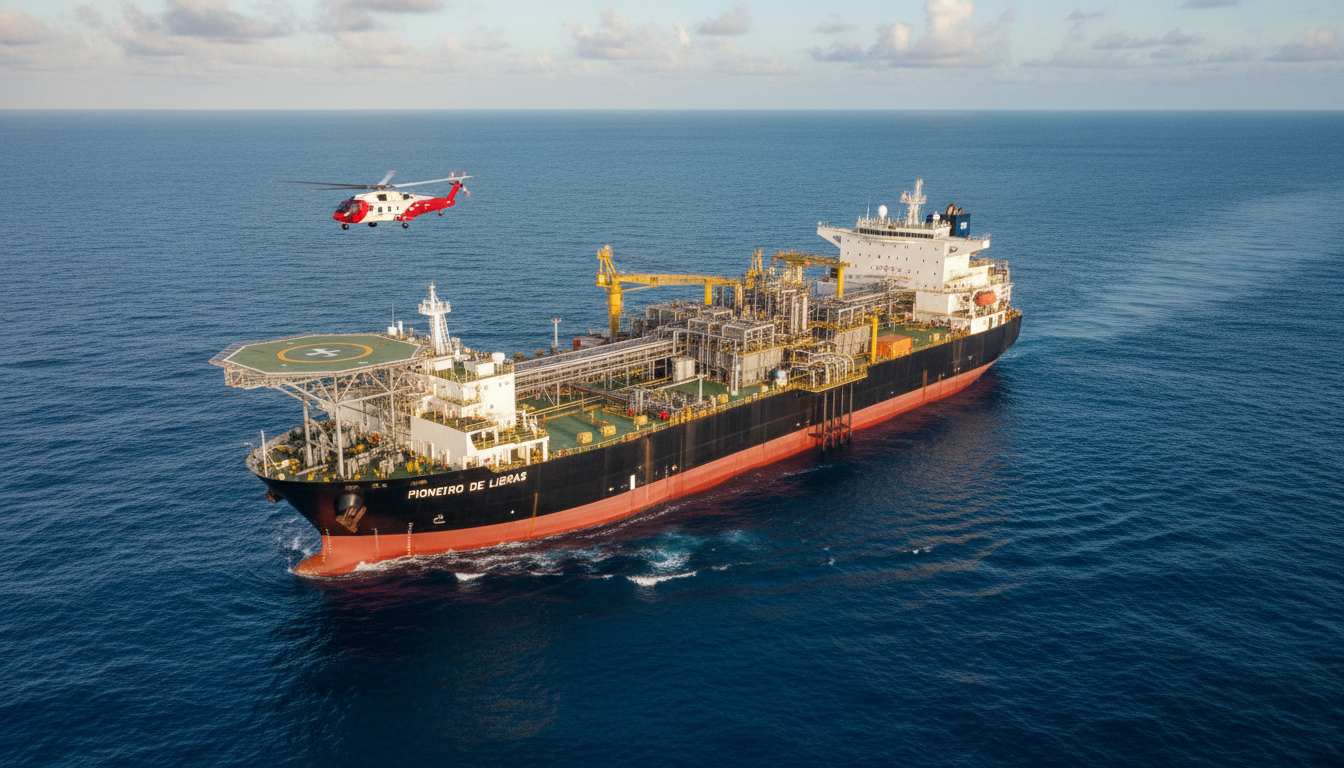
With the war silencing the wells of Iran, Brazil set a record of 5.3 million barrels per day and rose in the global oil ranking without anyone noticing — the pre-salt now accounts for 80% of everything that comes from the seabed.
-
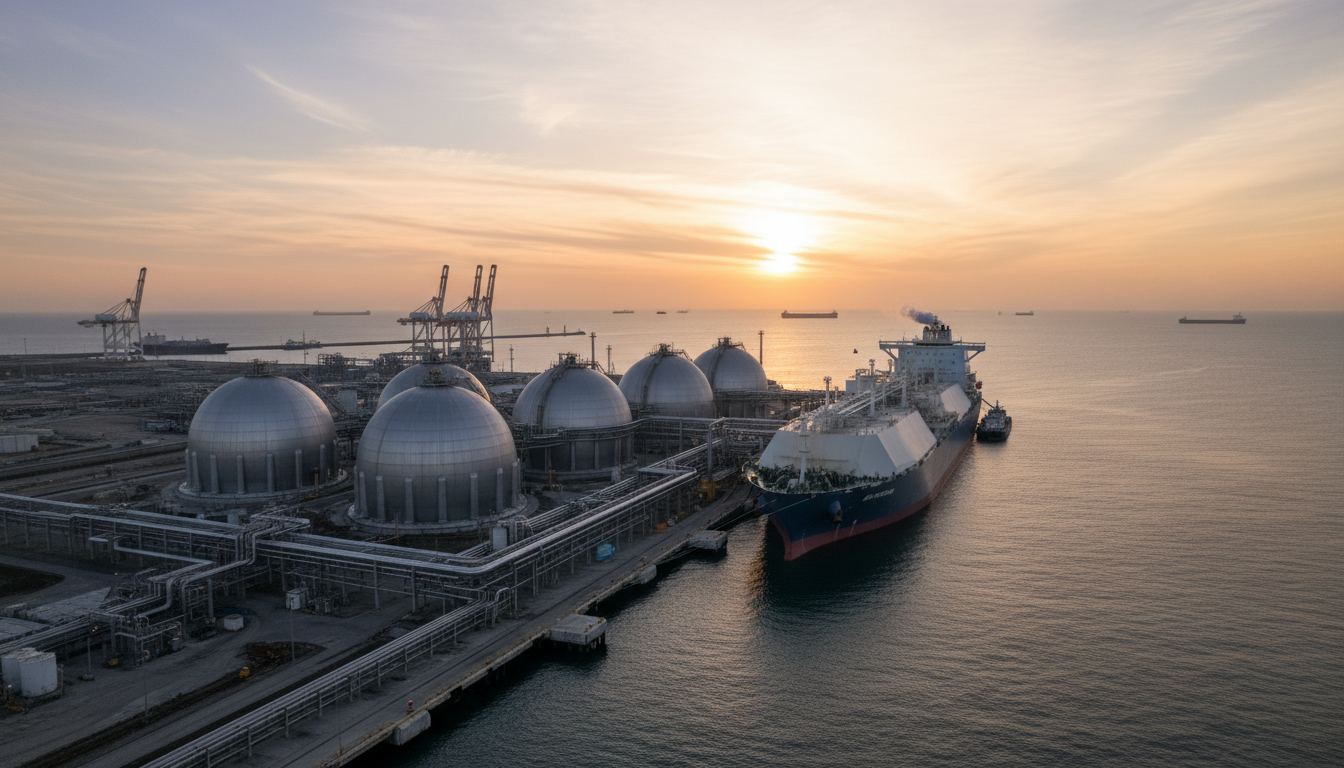
After years of delays and billions invested, the Golden Pass megaterminal in Texas is about to start exporting liquefied gas and will reshape the global energy map amid the Middle East crisis.
-
The artificial intelligence market within the oil industry is worth billions today and will more than double by 2033, and those who do not get on board now with the race for digital twins and autonomous drilling will be left behind.

-
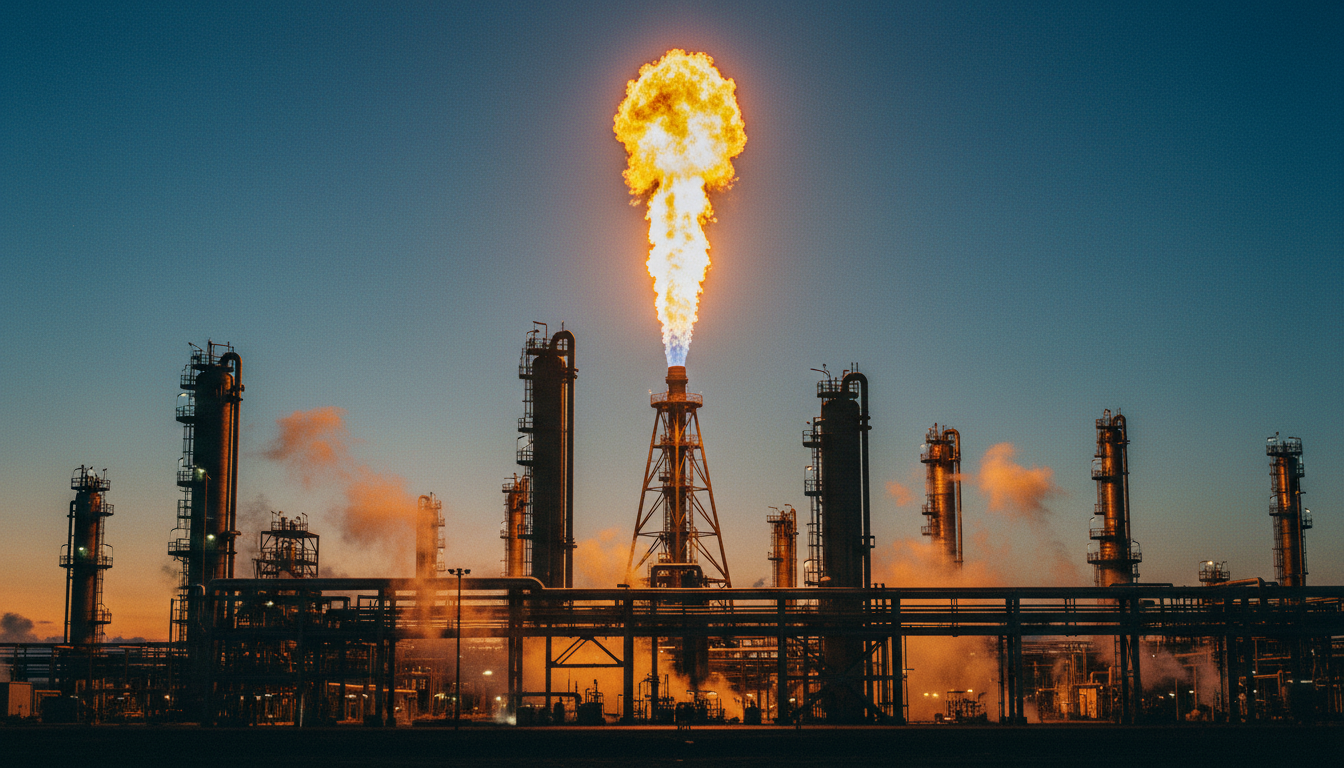
Petrobras quietly installed an artificial intelligence system called Smart Tocha in six of its largest refineries, and the technology independently controls the burning of gases to reduce emissions without any operator needing to intervene.
The Collapse of Venezuelan Oil Infrastructure
For decades, Venezuela was among the world’s top oil producers. However, starting in the 2010s, the scenario began to change rapidly. Lack of investment, international sanctions, poor management, and the exodus of skilled labor have compromised the sector’s infrastructure.
According to historical data released by the OPEC, Venezuelan production fell from over 3 million barrels per day to historically low levels in less than a decade.
Refineries operate below capacity, pipelines frequently leak, and oil fields suffer from outdated equipment. Oil remains underground, but the ability to extract it has been profoundly affected.
Trump’s Promise and the Cost of Reconstruction
By stating that companies from the United States could “fix the severely damaged infrastructure,” Trump described a scenario of rapid recovery. However, experts in the energy sector disagree with this simplified view.
According to analyses published by international consulting firms and energy organizations, a robust revitalization would take years. Additionally, it would require tens of billions of dollars in initial investments.
Platforms, refineries, transportation and storage systems would need to be rebuilt or modernized. At the same time, it would be necessary to retrain workers and reestablish interrupted supply chains.
The Time Factor in Oil Recovery
Even with immediate investments, the return would not be instantaneous. The oil industry operates with long cycles. Projects take years between planning, execution, and full production.
According to reports from the International Energy Agency, countries that have faced similar collapses took more than a decade to recover relevant production levels.
In the Venezuelan case, the challenge is even greater. The accumulated deterioration over the years cannot be resolved with quick fixes. Thus, oil would only flow in large quantities again after a gradual process.
The Impact of Sanctions and the Political Environment
Another central obstacle is the political and legal environment. International sanctions have made it difficult for Venezuela to access financing, technology, and markets. Even with a potential change in government, the removal of these restrictions would not be automatic.
Moreover, oil companies require legal security before investing such large amounts. Clear contracts, regulatory stability, and institutional guarantees become essential.
According to analyses from geopolitical study centers, oil only attracts capital when political risk is managed. In the Venezuelan scenario, that risk remains high.
The Economic Dependence on Oil
Venezuela built its economy on oil throughout the 20th century. However, this dependence became a vulnerability when the sector collapsed.
Today, the country needs oil to recover revenues, import essential goods, and stabilize the economy. At the same time, relying solely on oil may repeat past mistakes.
Experts argue that recovery in the sector should occur alongside economic diversification strategies. Otherwise, the country will remain exposed to fluctuations in the international market.
The Interest of American Companies
From the perspective of the United States, interest in Venezuelan oil involves energy security and geopolitical influence. Abundant reserves and geographical proximity make Venezuela strategic.
However, private companies assess risks cautiously. Investing billions of dollars in an unstable environment requires clear and predictable returns.
According to analyses published by international economic outlets, political rhetoric does not guarantee automatic investments. Capital follows technical, financial, and legal criteria.
The Global Oil Market and Competition
Another relevant factor is the global scenario. The oil market has become more competitive in recent years. New producers, technological advances, and changes in demand have shifted the traditional balance.
Moreover, the energy transition pressures the sector in the long term. Although oil remains essential, investors are considering future risks associated with climate policies.
In this context, Venezuela would need to compete for investments with other producing countries, many of which have more stable environments and modern infrastructure.
The Human and Technical Challenge
Reconstructing the oil sector does not depend solely on capital. It requires qualified people. Over the last decade, thousands of technicians and engineers have left the country.
Recovering this human capital takes time, training, and incentives. Without experienced professionals, even modern equipment cannot ensure efficiency.
According to historical data from PDVSA, the Venezuelan state oil company lost much of its technical workforce. This human factor represents one of the greatest bottlenecks for the return of oil.
A Long and Uncertain Process
Given this scenario, Trump’s objectives face formidable challenges. Venezuelan oil has potential, but its recovery requires realism.
Billions in investments, political stability, institutional reforms, and time form a complex set. It is not an immediate solution for the Venezuelan economy or for the strategic interests of the United States.
Official Sources and Chronological Context
According to public statements from Donald Trump made over the weekend, American companies could invest billions of dollars to recover Venezuela’s oil sector. Historical data from the OPEC indicates that Venezuelan production began to decline sharply from the mid-2010s.
Reports from the International Energy Agency indicate that the recovery of countries with degraded oil infrastructure typically takes years and requires massive investments. Furthermore, analyses from international economic organizations point out that the political and legal environment is crucial for attracting capital.
Thus, reviving the flow of oil production in Venezuela is a structural challenge, marked by high costs, long timelines, and profound uncertainties. Oil remains central to the country, but the path to recovery is far from straightforward.






Seja o primeiro a reagir!