





 Portuguese
  English
  Spanish
  5 min of reading
  0 comments


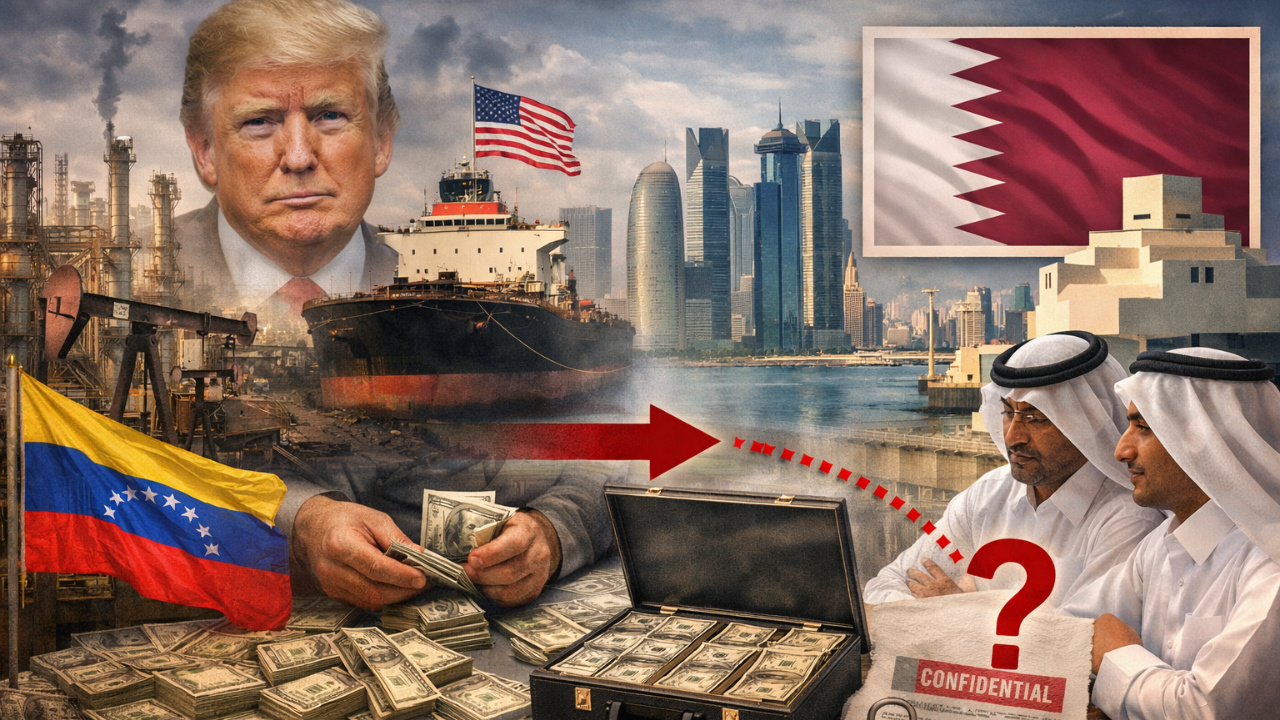
Venezuela’s Oil Sales Generate Hundreds of Millions of Dollars for the U.S., but Funds Are Held in Custody in Qatar, Raising Questions About Transparency, International Sanctions, and the Use of Money.
The trading of Venezuelan oil has once again gained prominence on the international stage. This time, however, not only due to the financial volume involved but mainly because of the destination of the collected resources.
Hundreds of millions of dollars obtained from the sale of Venezuelan oil by the United States are being held in custody in Qatar, according to sources familiar with the process. The strategy, while it may speed up the influx of resources into the South American country, also raises doubts about transparency and control of the money.
This indirect route emerges amidst a history of severe sanctions, financial isolation, and legal disputes involving Venezuela’s oil assets. At the same time, the flow of oil is generating significant revenues again, which is something rare in recent years for the Venezuelan economy.
-
Lula reveals a masterstroke by Petrobras to undo a deal made by Bolsonaro, which involves the return of an important refinery that currently produces less than half of what was expected and makes Brazil dependent on international diesel.
-
A study confirms that the natural gas sector will reduce greenhouse gas emissions in Brazil by 0.5% and accelerate the energy transition by 2026.

-
Petrobras implements a severe adjustment and confirms a 55% increase in the price of aviation kerosene with a proposal for installment payments for the companies.

-
The rise in oil prices could ensure an extra revenue of R$ 100 billion for the Federal Government, indicates a recent economic study.


First Oil Sales Raise US$ 500 Million
The government of President Donald Trump confirmed on Wednesday (14) the completion of the first sale of Venezuelan oil, which resulted in US$ 500 million. This amount, however, represents only the beginning of a series of operations that could yield billions of dollars in the coming months and possibly over the next few years.
According to a former U.S. government official, the funds have not been held in American banks nor sent directly to Venezuela. Instead, the money was transferred to financial institutions in Qatar, a move considered strategic to avoid legal hurdles and disputes with international creditors.
Qatar Emerges as a Key Player in the Flow of Oil Money
The U.S. Treasury Secretary, Scott Bessent, stated in an interview with Newsmax that the revenue from the oil sale would begin to flow into Venezuela as early as Thursday (15). Meanwhile, Venezuelan banks have started announcing the availability of cash, indicating that part of these resources may have already arrived in the country, according to two sources with knowledge of the local financial system.
The choice of Qatar is not unprecedented. Experts indicate that the Middle Eastern country has acted for years as a financial and diplomatic facilitator between Washington and sanctioned governments, including Venezuela and, previously, Iran.
Sanctions, Banking Isolation, and Disputes Over Oil Assets
For years, Venezuela remained practically isolated from the international banking system. Sanctions imposed by Western governments hindered financial transactions, while the Venezuelan government confiscated oil assets over the past decades. As a result, foreign companies in the energy sector began to demand billion-dollar compensations.
Donald Trump has claimed that Venezuela has been “stealing” American oil assets. Still, the president also argued that the revenue obtained from oil should directly benefit the Venezuelan population, preventing creditors or companies with rights over these assets from accessing the funds collected by the U.S.

Executive Order Blocks Legal Actions Against the Funds
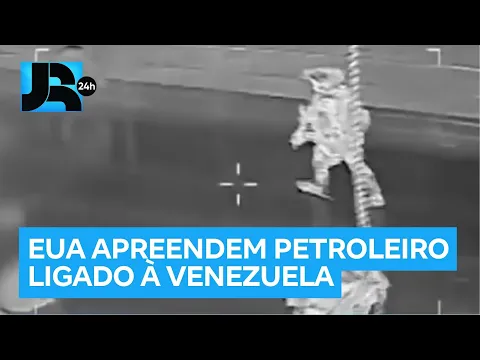
On Friday (9), Trump signed an executive order stating that any attempts to seize, block, or legally claim these funds would be prohibited. The document states that such actions could “substantially interfere with our crucial efforts to ensure economic and political stability in Venezuela.”
In this context, keeping the oil money in an account in Qatar, out of the direct reach of Western creditors, has become a viable alternative to meet the objectives of the American government.
Allocation of Resources Prioritizes Sensitive Areas of the Economy
According to Alejandro Grisanti, founding director of the consulting firm Ecoanalítica, banks in Qatar received instructions to auction the resources to Venezuelan banks. The priority, as explained, will be given to food, medicine, and small businesses. The money will be collected by the Central Bank of Venezuela and distributed according to requirements set by the United States.

Bessent also stated that the revenue from oil will be used to finance operations of the Venezuelan government, in addition to strengthening security and food supply.
Qatar Has Previously Played a Similar Role in Other International Agreements
Experts consulted by CNN emphasize that Qatari banks have already played an intermediary role during the Biden administration. During that time, some revenues from oil sales flowed back to Iran during a phase of sanction easing, using similar financial mechanisms.
An expert in foreign relations and Venezuela, who spoke on condition of anonymity, summarized the challenge: “It’s a very serious problem. Venezuela owes money to everyone.”
Concerns Grow About the Transparency of Oil Funds
Despite the formal guarantees, holding the money in Qatar has raised alarms among analysts. For some, the measure reduces transparency regarding the movement of resources and hinders direct oversight by the United States.
“Unless there is a public plan that defines the government structure for this amount, who will have control, what the various anti-corruption and anti-money laundering controls will be… this is being set up as a sort of secret fund,” said the anonymous expert. “It’s very concerning.”
Although there is no evidence of misuse by the American government, analysts fear that Venezuelan authorities may use the oil resources to maintain internal power structures. According to the same expert, there is a risk that Venezuela’s interim president, Delcy Rodríguez, will direct part of the funds to corrupt sectors of the state apparatus, including paramilitary groups and drug cartels.
Political Criticism Questions the Legality of the Operation
The decision to send the oil money to Qatar has also generated criticism in the American political landscape. Democratic Senator Elizabeth Warren was one of the most outspoken voices commenting on the case.
“There is no legal basis for a president to create an offshore account that he controls to sell assets seized by American military,” Warren stated in a declaration to Semafor. “This is exactly the kind of maneuver that would attract a corrupt politician.”
Meanwhile, the White House has avoided directly commenting on the choice of Qatar as the initial destination for the funds before the transfer to Venezuela, only reinforcing that the country remains isolated from the international banking system and that the legal parameters are still under review.









-

-

-

9 pessoas reagiram a isso.